Facing a worldwide memory shortage crisis and threats of further tariffs, Nvidia has reportedly cancelled its OPP, a program intended to incentivise AIBs to sell its cards at MSRP. If true, and if such a program exists, this means pricing on Nvidia cards is expected to get much worse going forward.
This is all according to hardware YouTuber Der8auer. In their latest video, Der8auer claims that the OPP is “basically like a cashback thing where Nvidia tried to actively influence the AIBs and the pricing to make sure that some cards happen on the market and that they are actually being sold by the AIBs for the MSRP.”
Without that incentive scheme in place, Der8auer argues, “You will have to expect massive price increases across all of these cards. So that means that MSRP that Nvidia communicated in the past basically no longer exists”
Der8auer says they don’t know what the OPP actually stands for, but Hardware Luxx argues it to be ‘Open Price Program’.
This is not the only way that AIBs are reportedly encouraged to put out MSRP cards. Nvidia partners buy bundles for cards, including the GPU die and the memory, which they then put together into a working graphics card and sell to potential buyers. This bundle system reportedly came to an end last November.
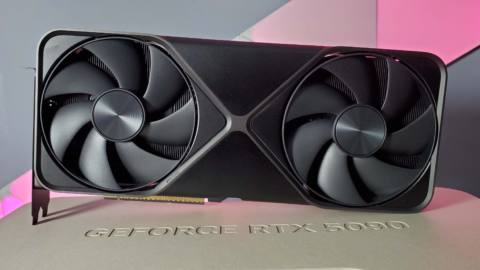
Der8auer notes, and as we experienced at launch, the review embargo for MSRP cards (both from AIBs and Nvidia itself) was a day before non-MSRP cards. This sorta set-up encourages AIBs to have MSRP cards available at launch, and provide those cards for review, which then tips reviews in favour of MSRP cards. As we experienced when reporting on the most recent GPU launches, some of those reportedly at MSRP were tough to find, or we never saw them in stock. The demand for RTX 50-series cards is naturally a major factor in this.
Nvidia is also reported to be heavily cutting the supply of the RTX 5070 Ti in favour of the RTX 5080. As both use the GB203 die, it makes sense that as yields improve and more full dies are available, more will go into pricier RTX 5080s than cheaper RTX 5070s can be made on the RTX 5080 card.
Der8auer reports that, according to an industry partner they talked to, a price increase of “’40 to 50% overall” is expected on the RTX 5080.
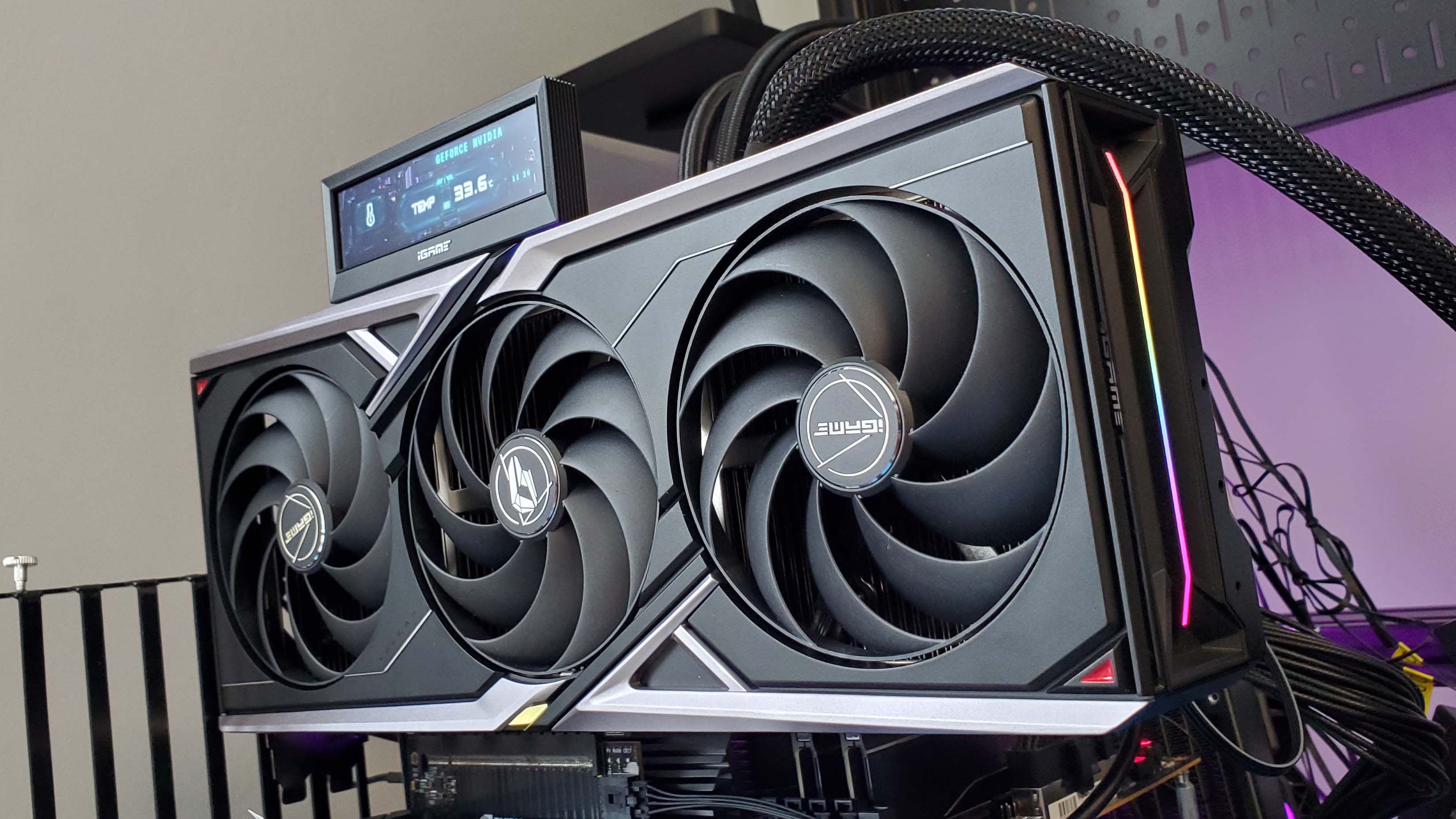
However, after a recent rumour suggested Asus was discontinuing its RTX 5070 Ti models, we asked around and were generally told the RTX 5080 doesn’t sell well enough for Nvidia and its partners to put all their eggs in that basket. If that’s the case, jacking up the price of the RTX 5080 certainly isn’t going to be a winner, either. So some scepticism here.
RTX 50 Super cards are reportedly also cancelled, due to memory demands, though I think we knew that already after their no-show at CES.
With something like the OPP, it wouldn’t be too much of a surprise if the goal were to end it by now anyway, assuming it is real. It could have been used to manage MSRP for the first year of the launch, where other manufacturers and a declining demand will bring it down over time. However, it seems like no one was expecting AI to guzzle up all the memory and capacity, and once again, it’s consumers who take the brunt of that problem.
About Author