Videogame art is gorgeous. Year after year, we collect special editions, design works books like those from Lost In Cult, or videogame vinyl soundtracks, all flush with lots of lovely concept art. Hell, the reason I decided to hold this discussion is because I was leafing through my records and lingered a long time admiring my Dishonored Soundtrack Collection, which features a load of art from all the games.
Welcome to Character Select, a weekly column where PC Gamer takes a look at the art and cosplay created by you. This week, we’re taking a break from the regular format to bring you a discussion of something near and dear to our hearts: videogame art.
So, I decided to co-opt some of PC Gamer’s other writers to talk about their favourite videogame art and share a few of the most memorable pieces. Obviously, we won’t cover all the great art out there—apologies if we miss your fav—and declaring a winner from amongst them would be the height of silliness when taste is so individual. Instead, we’ll each just talk a bit about beautiful art we love. Please let us know in the comments below what your favorite game is art wise, especially if none of us covered it here.
Maybe you’ll find some you haven’t seen before, or perhaps it’ll make you see a game you already knew in a different light. Next week, Character Select will return to its usual format—this is just a sneaky one-off highjacking.
Dishonored
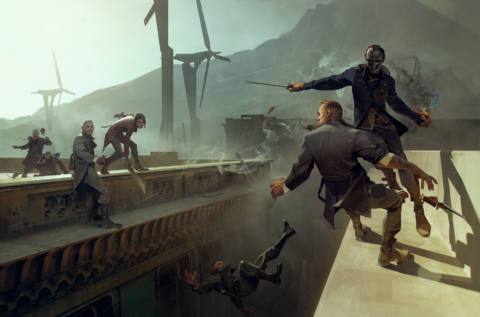
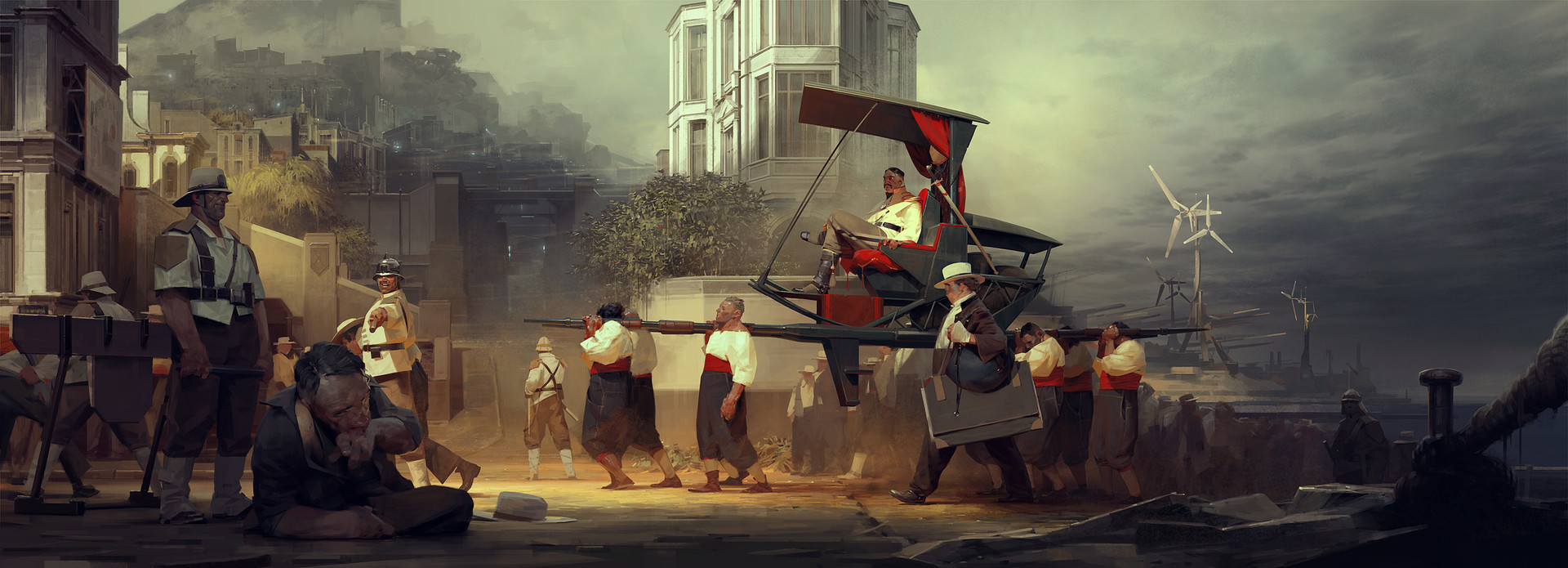
Sean Martin, Senior Guides Writer: Few videogame cities have ever gripped me in quite the same way as Dishonored’s Dunwall and Dishonored 2’s Karnaca, but it’s unsurprising when you consider they were conceptualised by Viktor Antonov, who was also responsible in a big way for Half Life 2’s City 17, and sadly passed away last year.
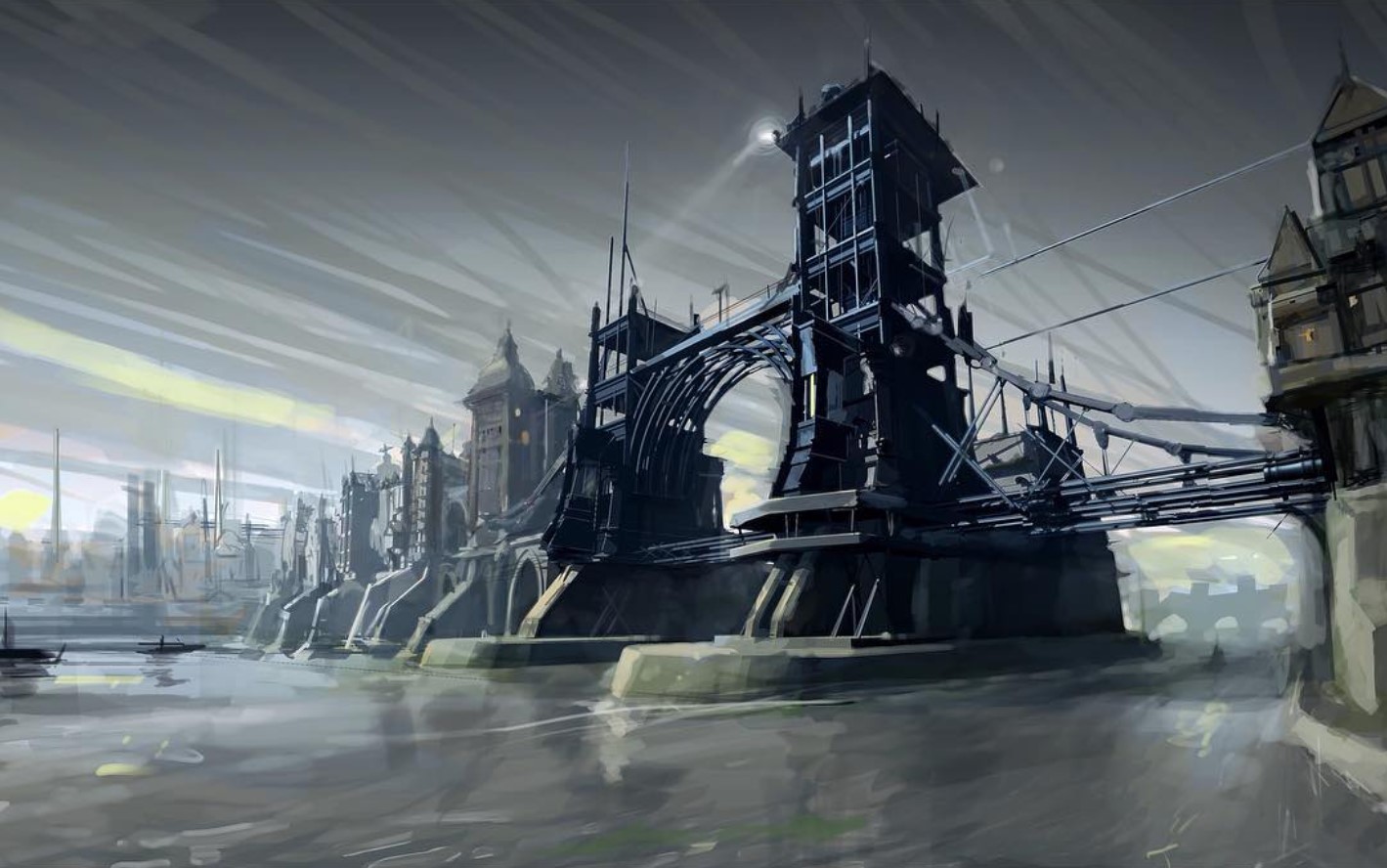
His legacy persists, though, through that striking combination of old and new, of crumbling gothic town houses and towering futuristic metal that you can see in the art of both games. That almost haunting aesthetic, I’m convinced, is one of the many reasons both Half Life 2 and Dishonored remain so stuck to the brain this many years after their release.
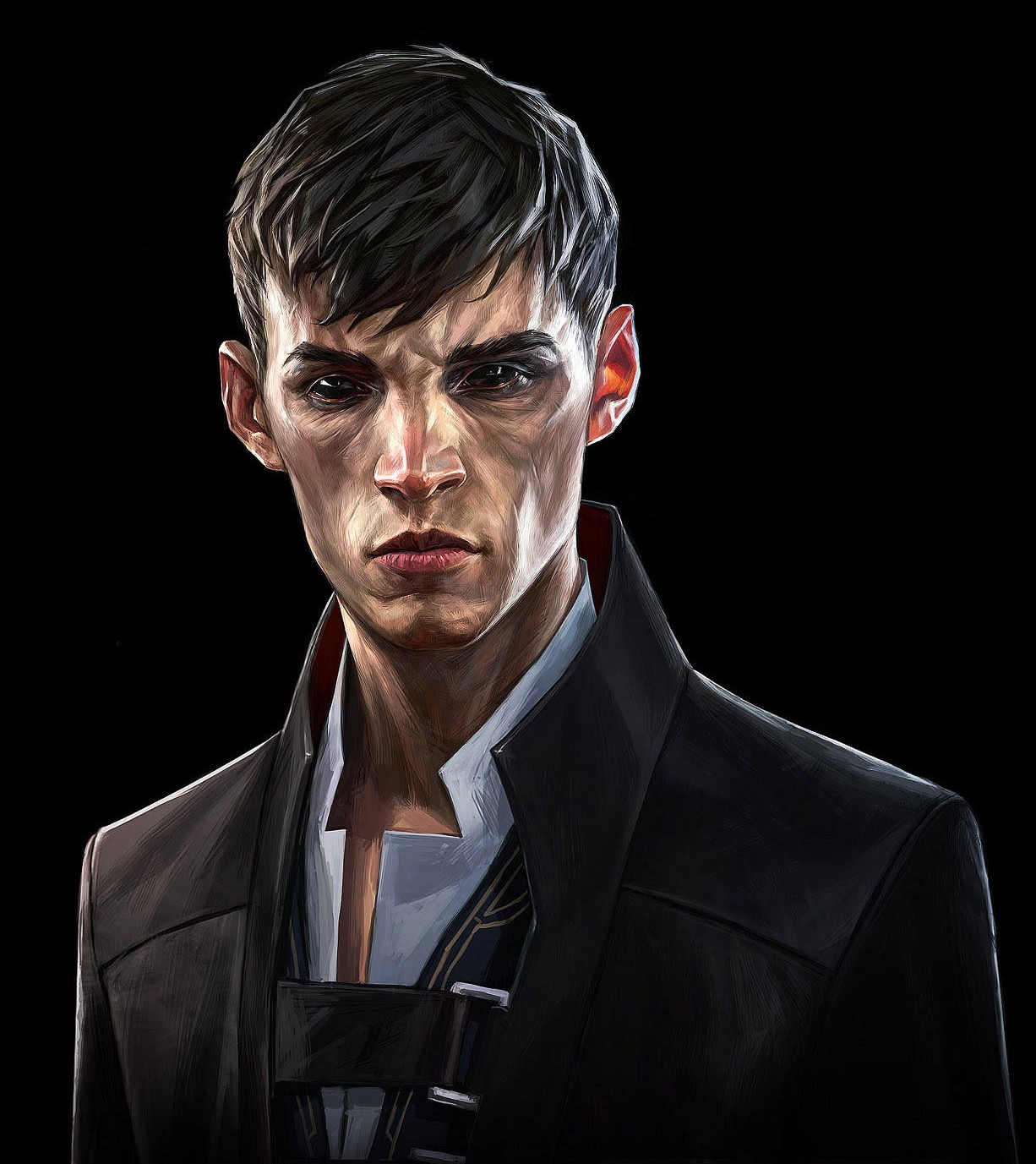
Dishonored also has some of my favorite character art, whether it’s Cedric Peyraverney’s, frankly, iconic chiaroscuro portraits from the first game, including the most memorable likenesses of Delilah and the Outsider, or Sergey Kolesov‘s instantly recognisable royal family-style portrait of Corvo and Emily Kaldwin, plus the duke and Kirin Jindosh.
There’s even art showing off Dishonored’s dark and eerie side, like Piotr Jabłoński’s depictions of the bloodfly plague and the disenfranchised workers of Karnaca, or Veronique Meignaud paintings, which appear in the first game’s DLC and the second game as portraits painted by Delilah.
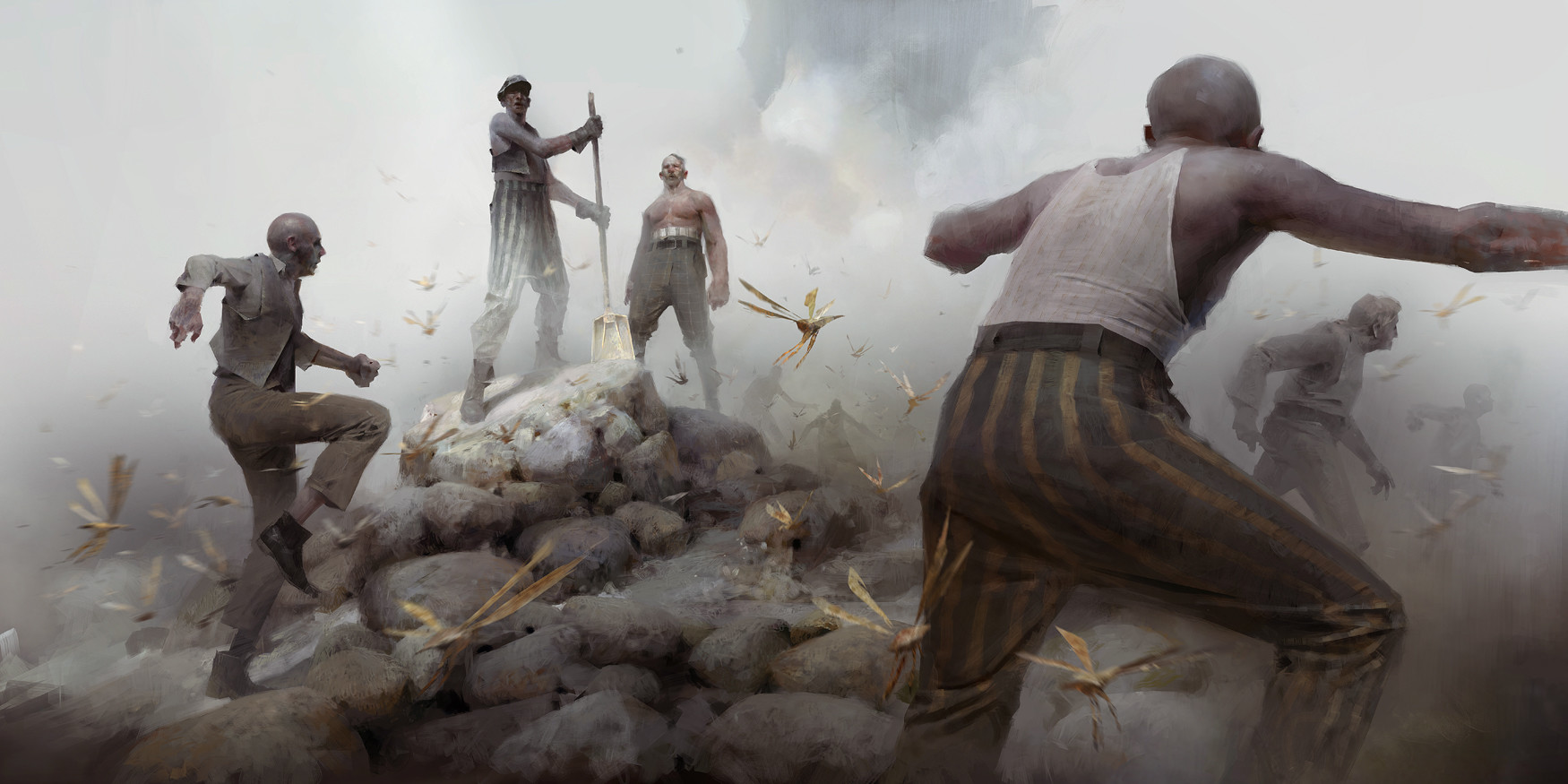
Honestly, such a wealth and variety of talent and style went into creating Dishonored that its art can’t help but eternally occupy a space in the brain. Here’s hoping we eventually get another sequel.
Destiny
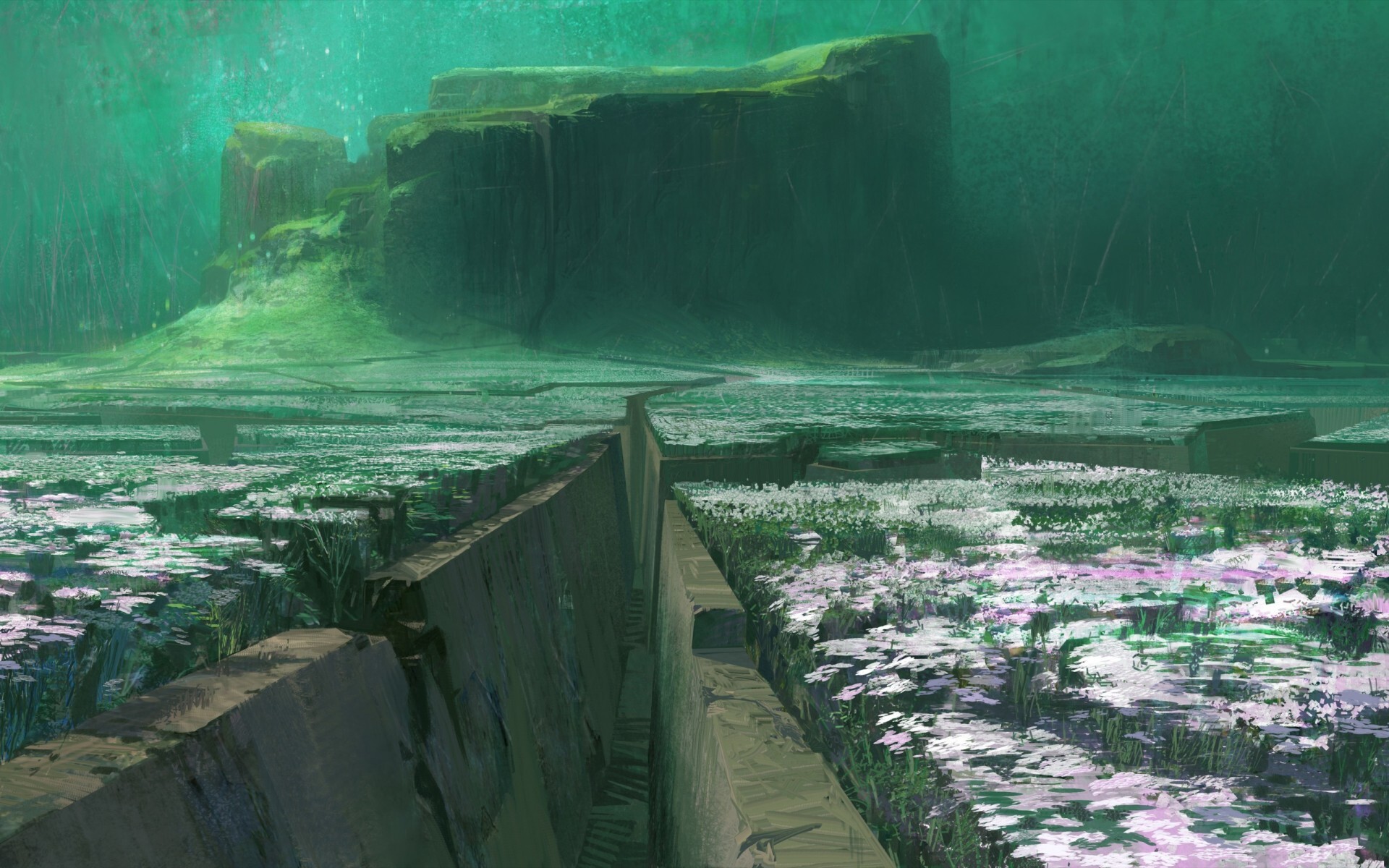
Rory Norris, Guides Writer: I can’t think of any other game that’s captured my imagination and consumed me in quite the way Destiny has—both the original and its sequel. When I think about where that started (obviously, it was a new game from Bungie so that helped), it was the concept art that had me most engrossed by far from the very beginning.
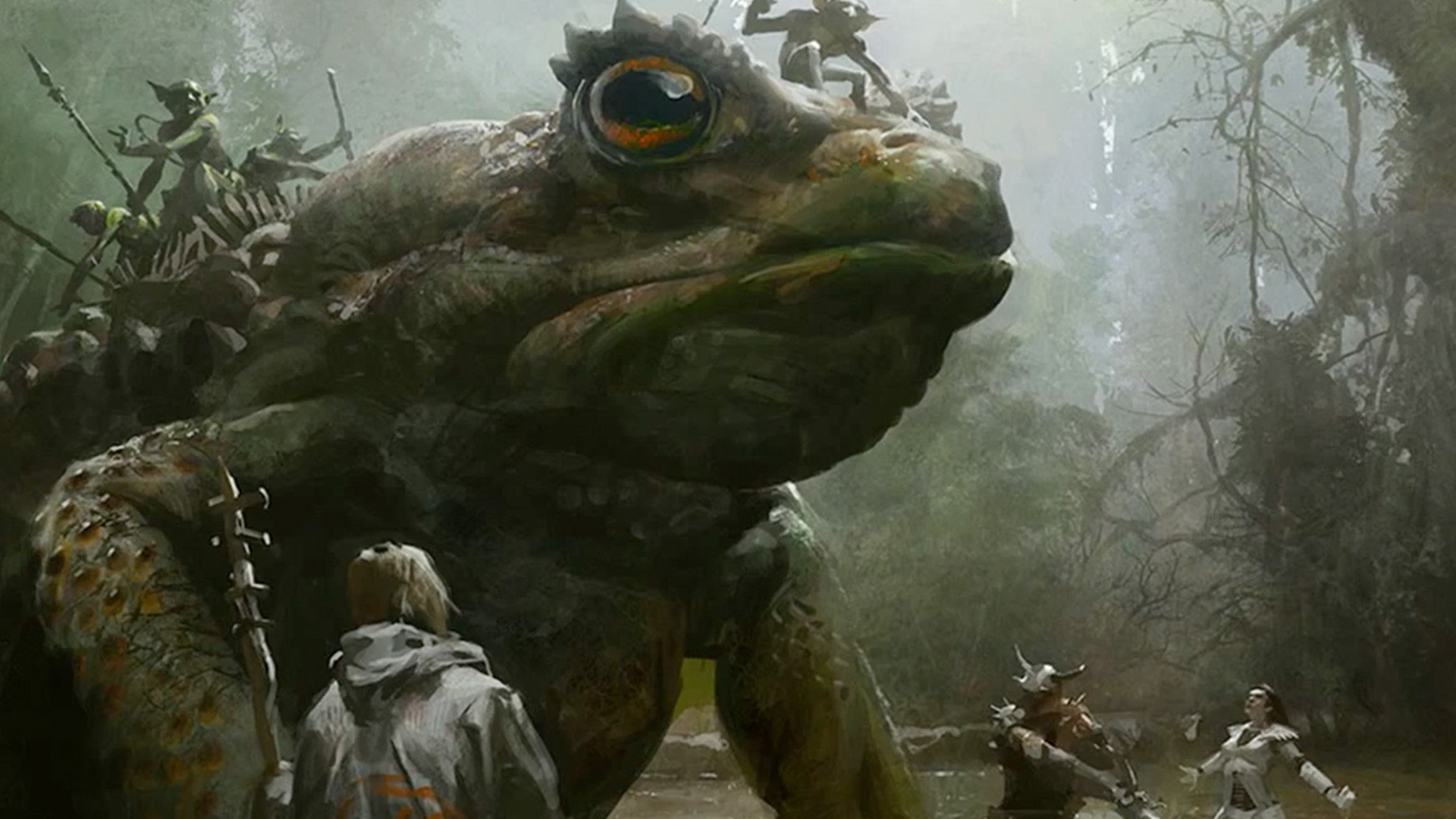
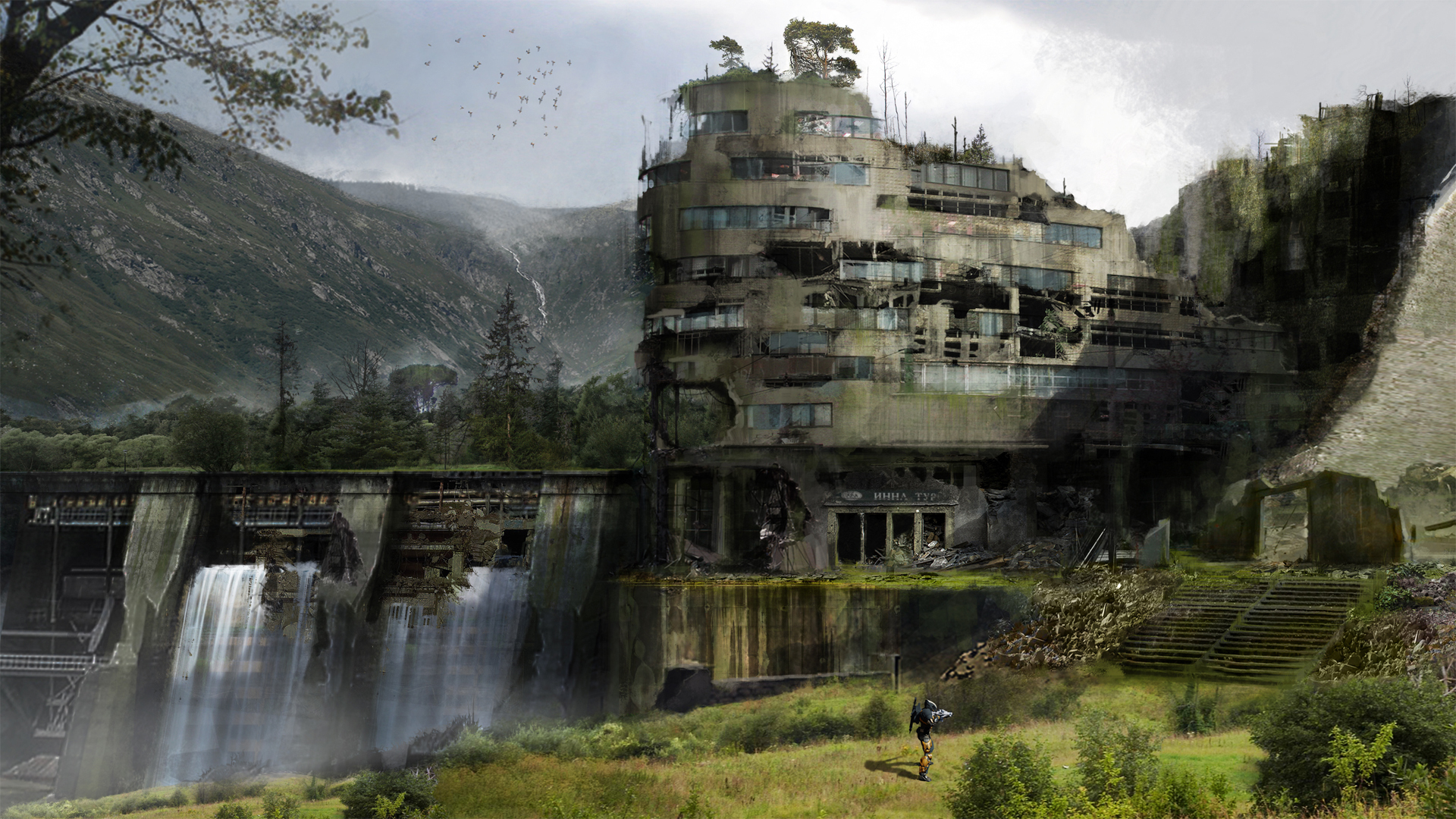
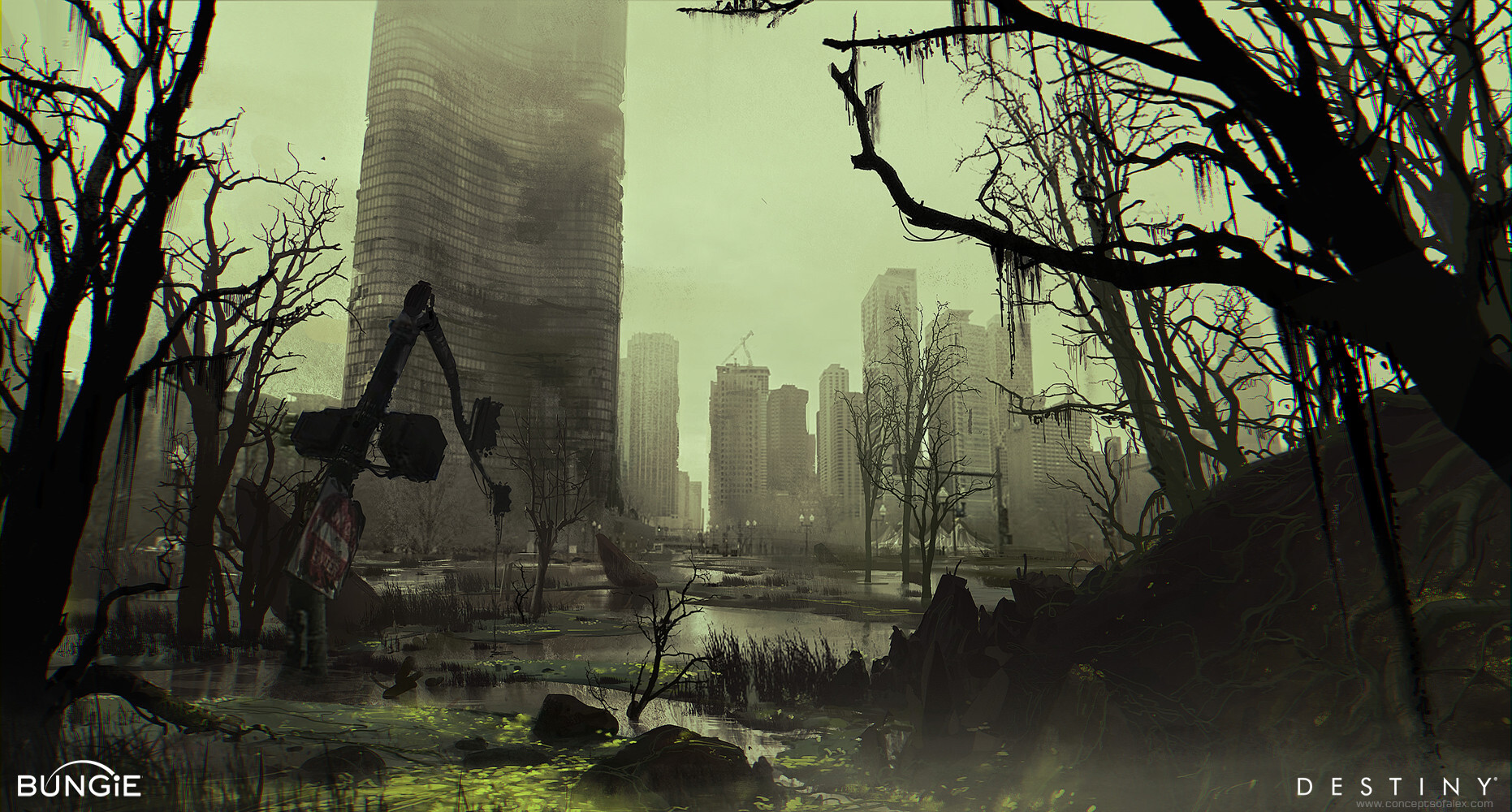
Perhaps the most formative art for me was depicting Old Chicago, which had become a post-apocalyptic swamp in the time since the Collapse. There’s the iconic scene of signs and skyscrapers being swallowed by the marsh, early Hive marching through a facility, and the most bonkers, what looks like goblins riding a massive frog. That last one was definitely very early in production.
What about the armada of pyramid ships passing Mars, whipped up by Dorje Bellbrook, which effortlessly hyped up this overwhelming evil? Little did we know it would be a villain (technically) over a decade in the making and somewhat underwhelming.
I also remember seeing all the concept art for the enigmatic Vex, especially their incomprehensible architecture (such as Venus’ Citadel by Jesse van Dijk) that, we assumed at the time, was somehow twisting and consuming planets.
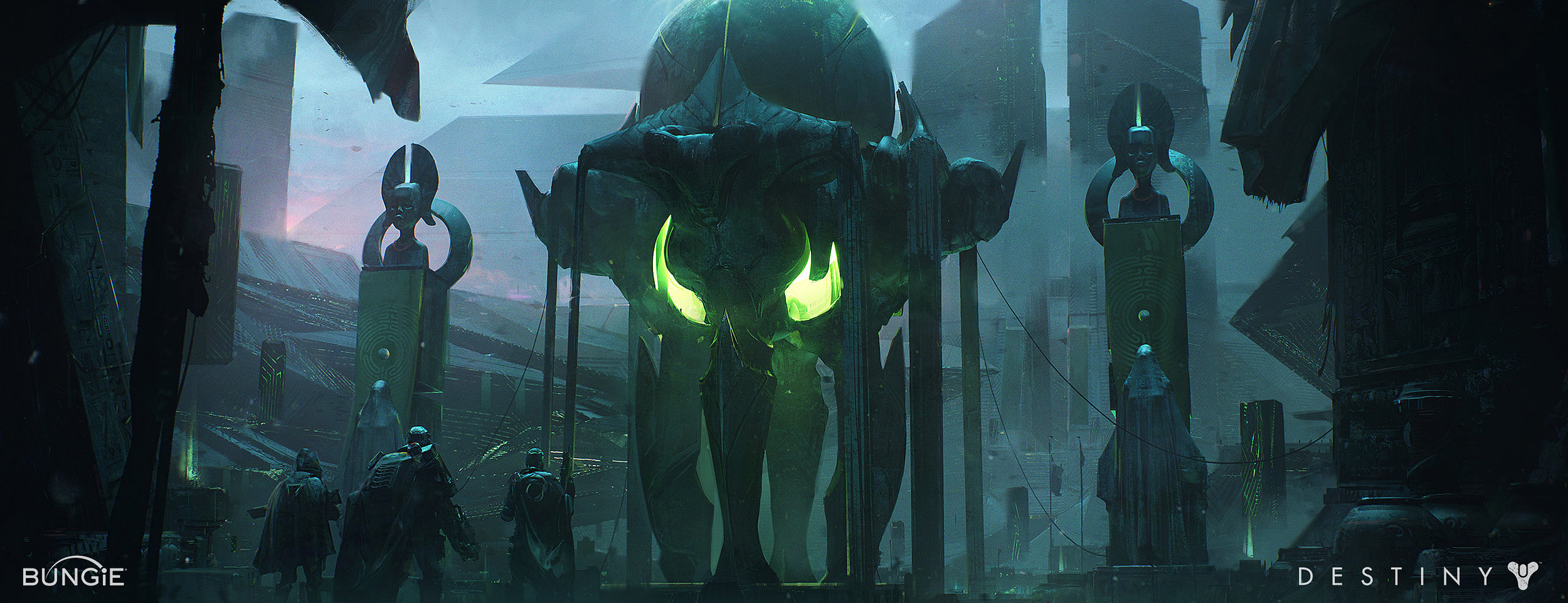
The vivid world Destiny’s concept art conjured in my mind pre-release, somehow perfectly blending elements of fantasy with sci-fi, all dripped in this richly macabre veil, is impossible to forget even 12 odd years later. I still regularly go back to old concept art and pre-release footage for a hit of the ol’ nostalgia.
It’s unfortunate that most of this concept art either remained concept or didn’t quite translate into the live game in the way I’d built it up in my mind. I mean, I pictured Destiny 1 to be much more open and explorative than it turned out to be. But hey, that’s just the nature of the beast, isn’t it? I reckon it’s almost impossible to match the intentionally vague art pulling on story threads that never really existed. Hell, we’re still waiting to see Old Chicago appear in-game.
Elden Ring
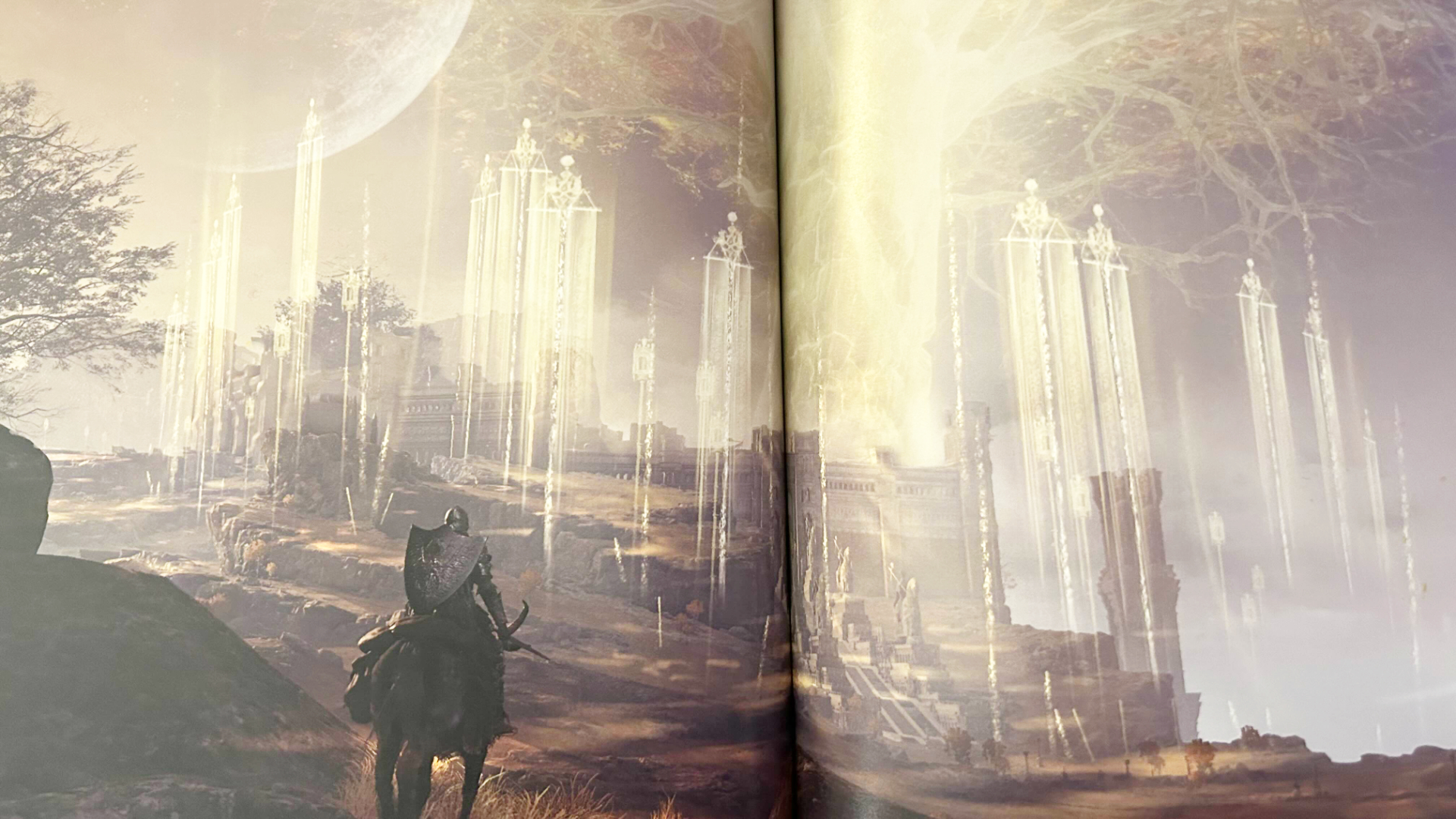
Tyler Colp, Contributing Writer: What fascinates me the most about FromSoftware’s games is how much their concept art just looks like the actual games. I’ve been collecting Souls art books for quite some time and whenever I look through them I’m amazed at how accurate everything is to the real thing. This is why Elden Ring is easily one of the most beautiful games I’ve played, and it’s based on the most beautiful concept art I’ve ever laid eyes on.
Every page of the official art book has gorgeous depictions of the many regions of The Lands Between and several of its strange characters. I get lost looking at the full spread of Raya Lucaria, a castle of magic and illusions that rests in the middle of a lake. The art invites you in to explore just as the game does when you take your first steps into Liurnia. And you can tell the artists—who are all unnamed in the book, sadly—conceptualized it from a player’s perspective, to create something a little mysterious and utterly awesome in the most literal sense of the word.
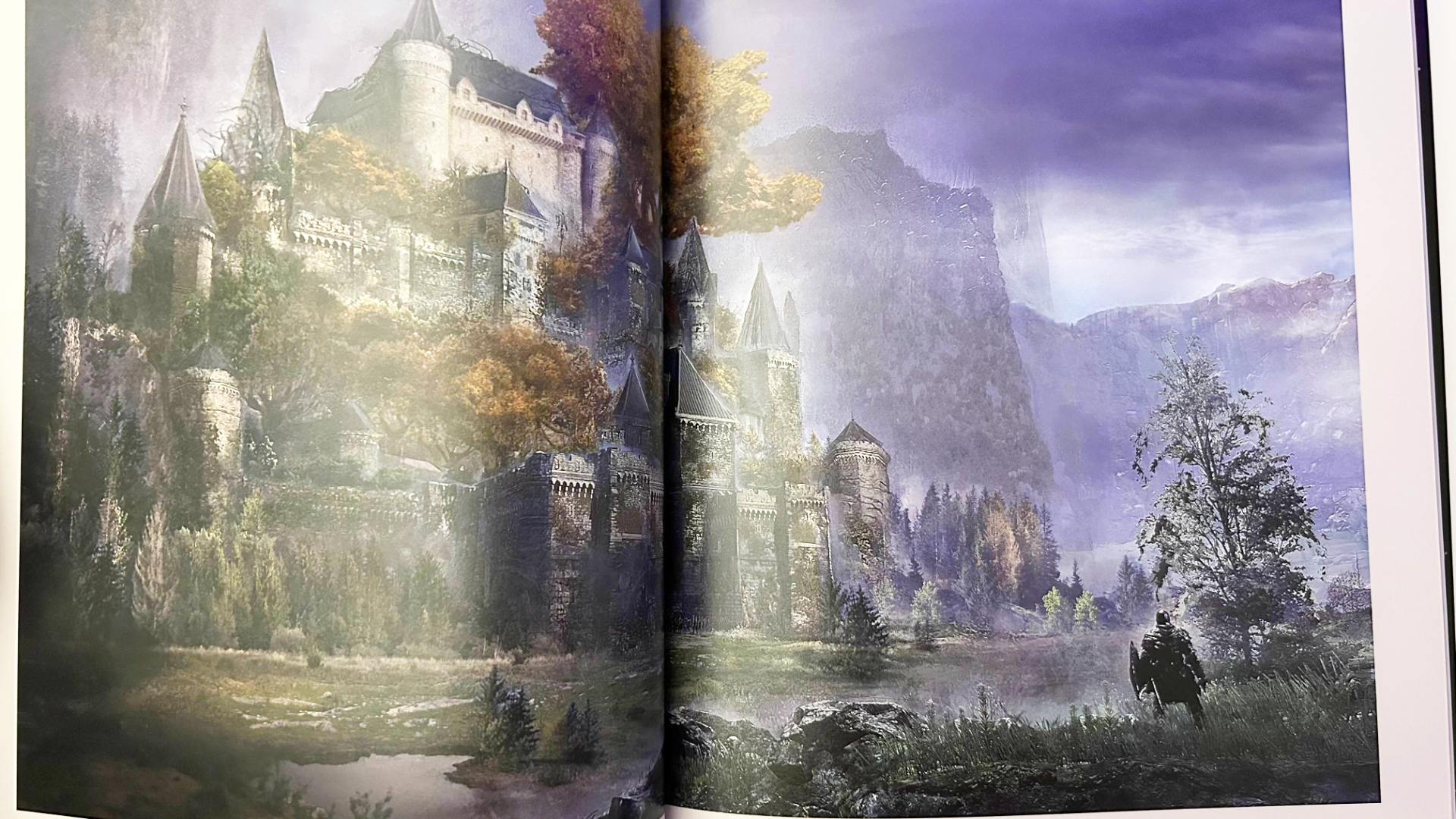
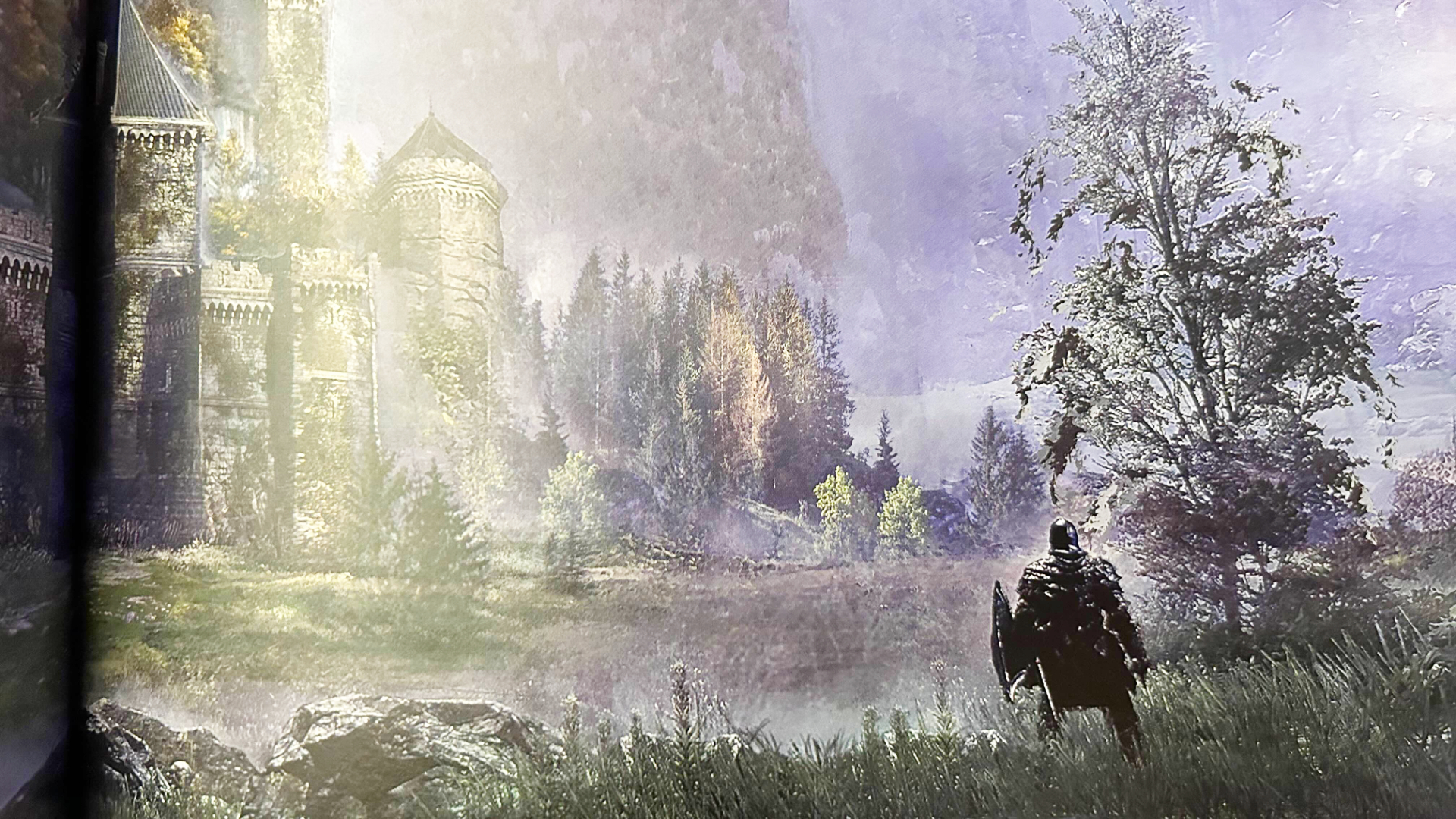
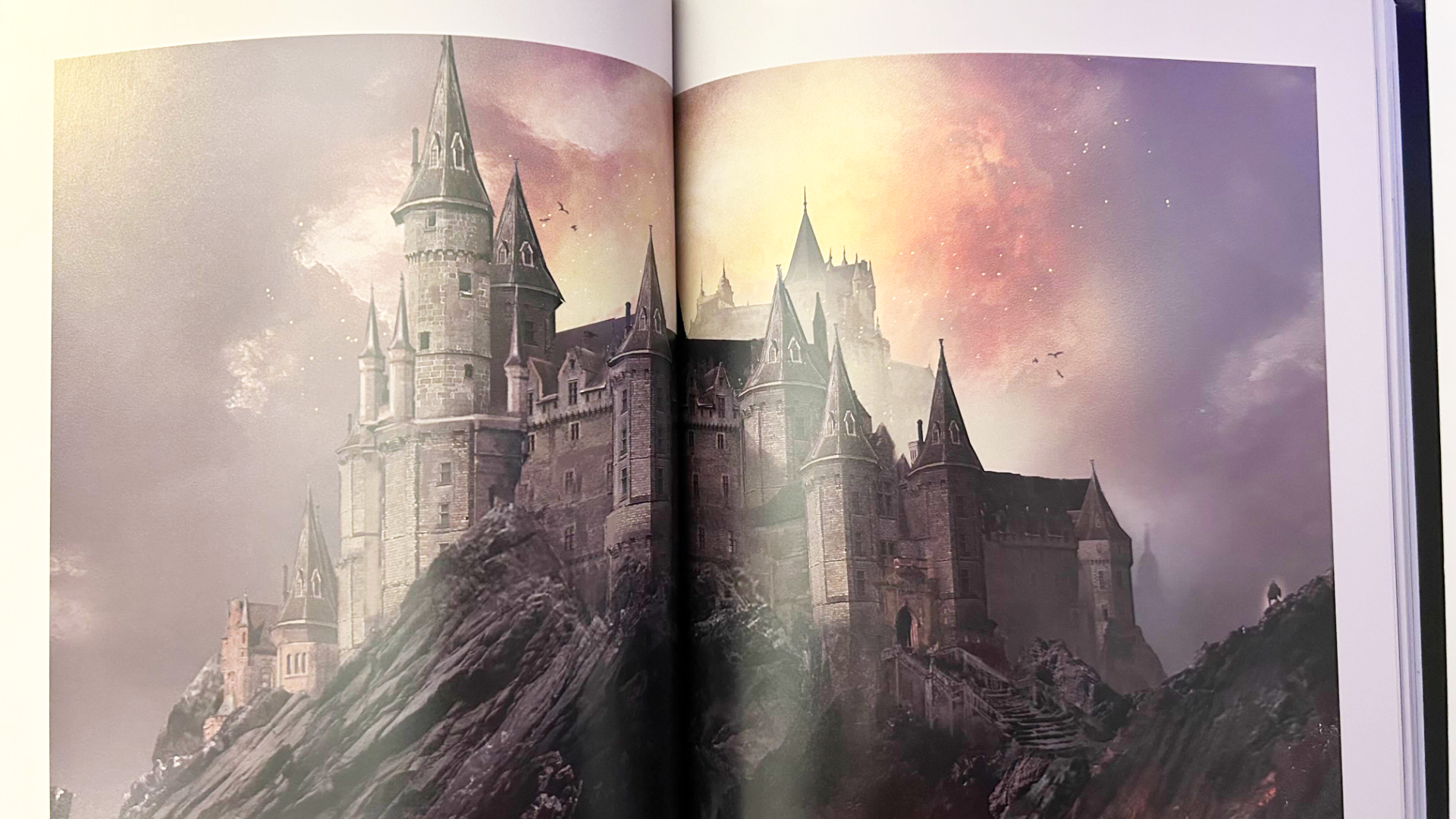
The High Gothic architecture of Raya Lucaria suggests so much about the kind of lives the people who built it led and the kind of prestige it was meant to give off. And this is even more apparent when you compare it to Volcano Manor, a much older looking castle that is being pulled under crashing waves of rock. Its towers reach into a burning sky and the stone looks ashen and charred. Despite their differences, however, both places fit into the world of Elden Ring, with the way it blends medieval and Renaissance-era aesthetics.
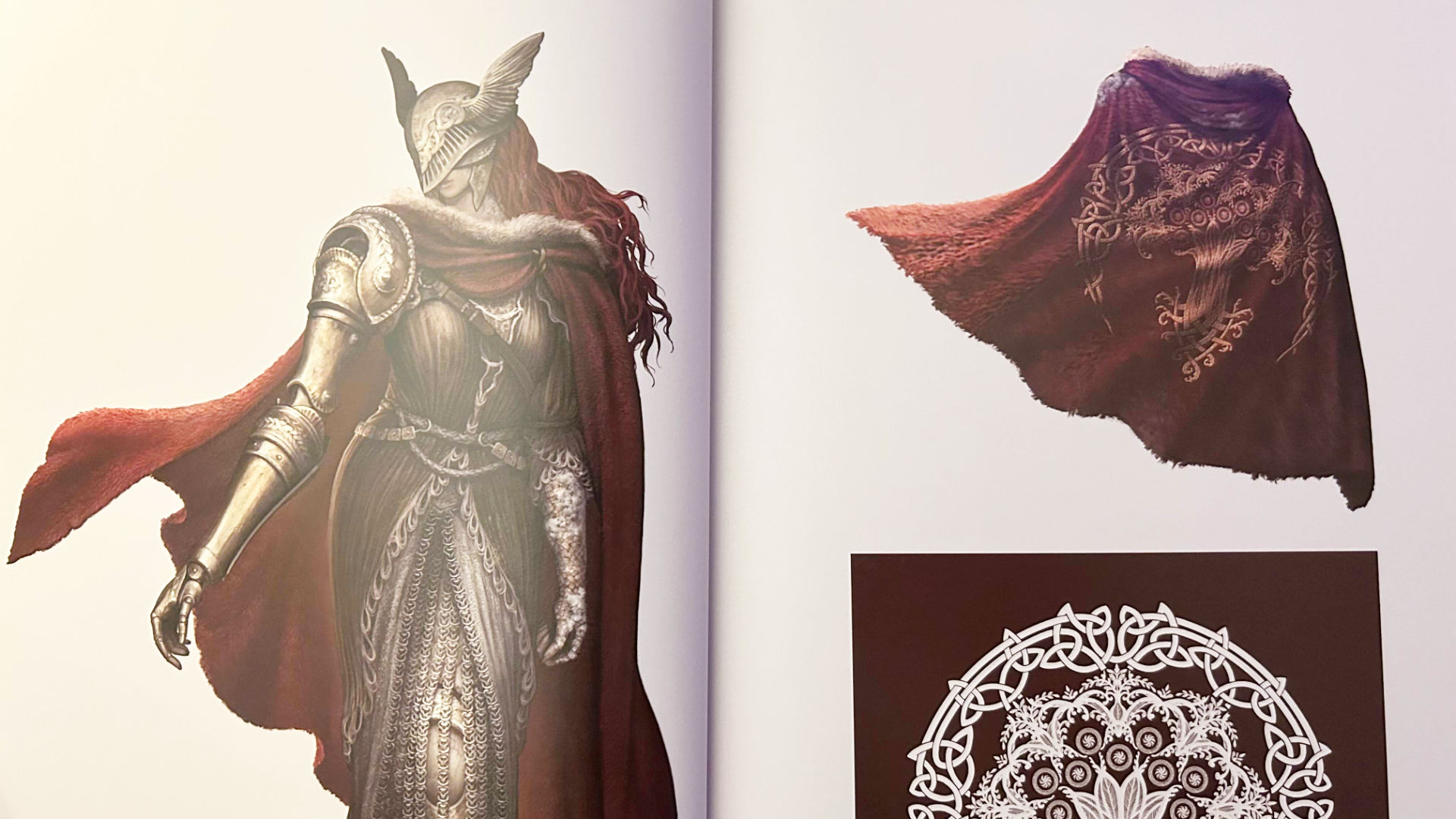
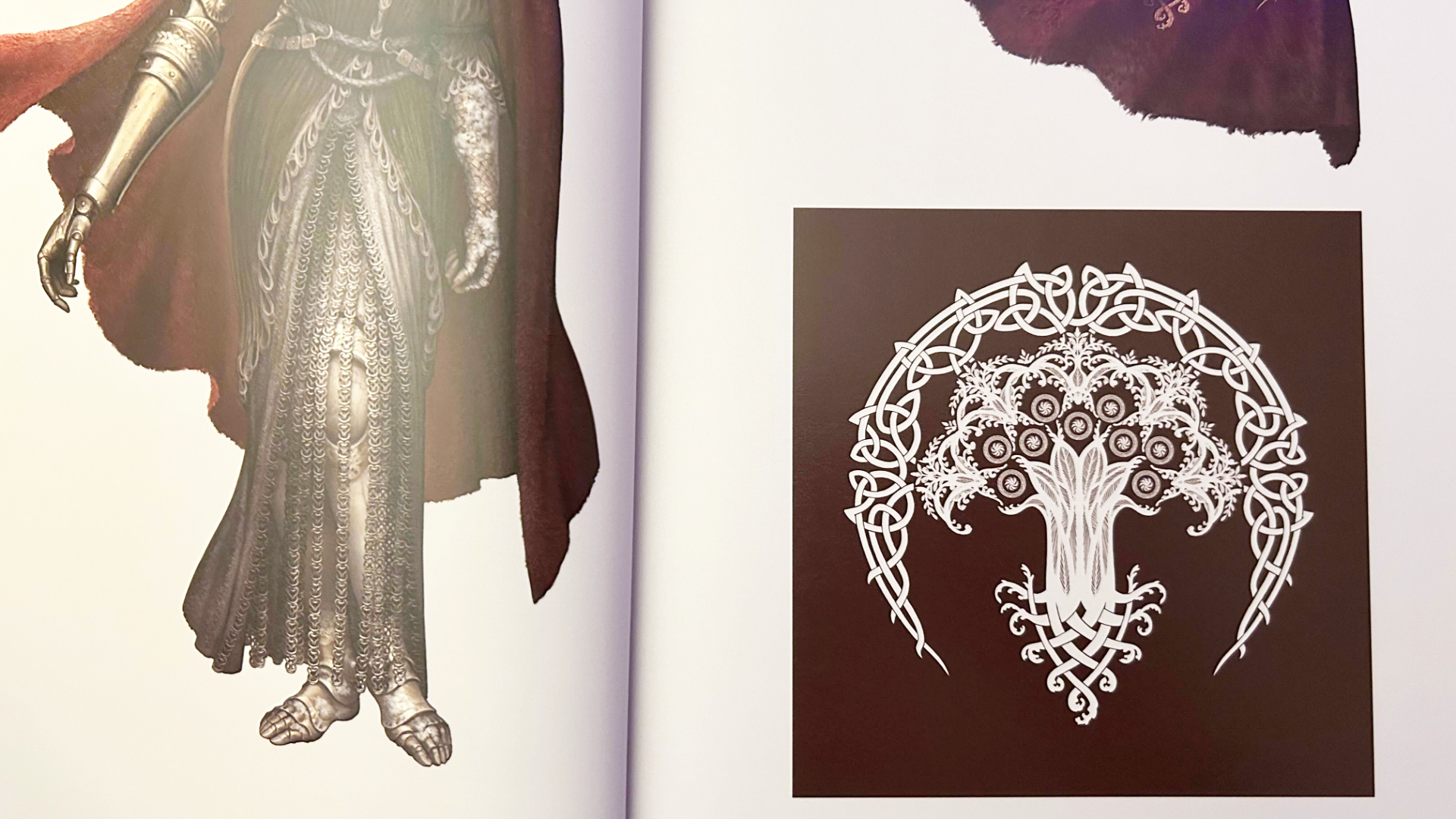
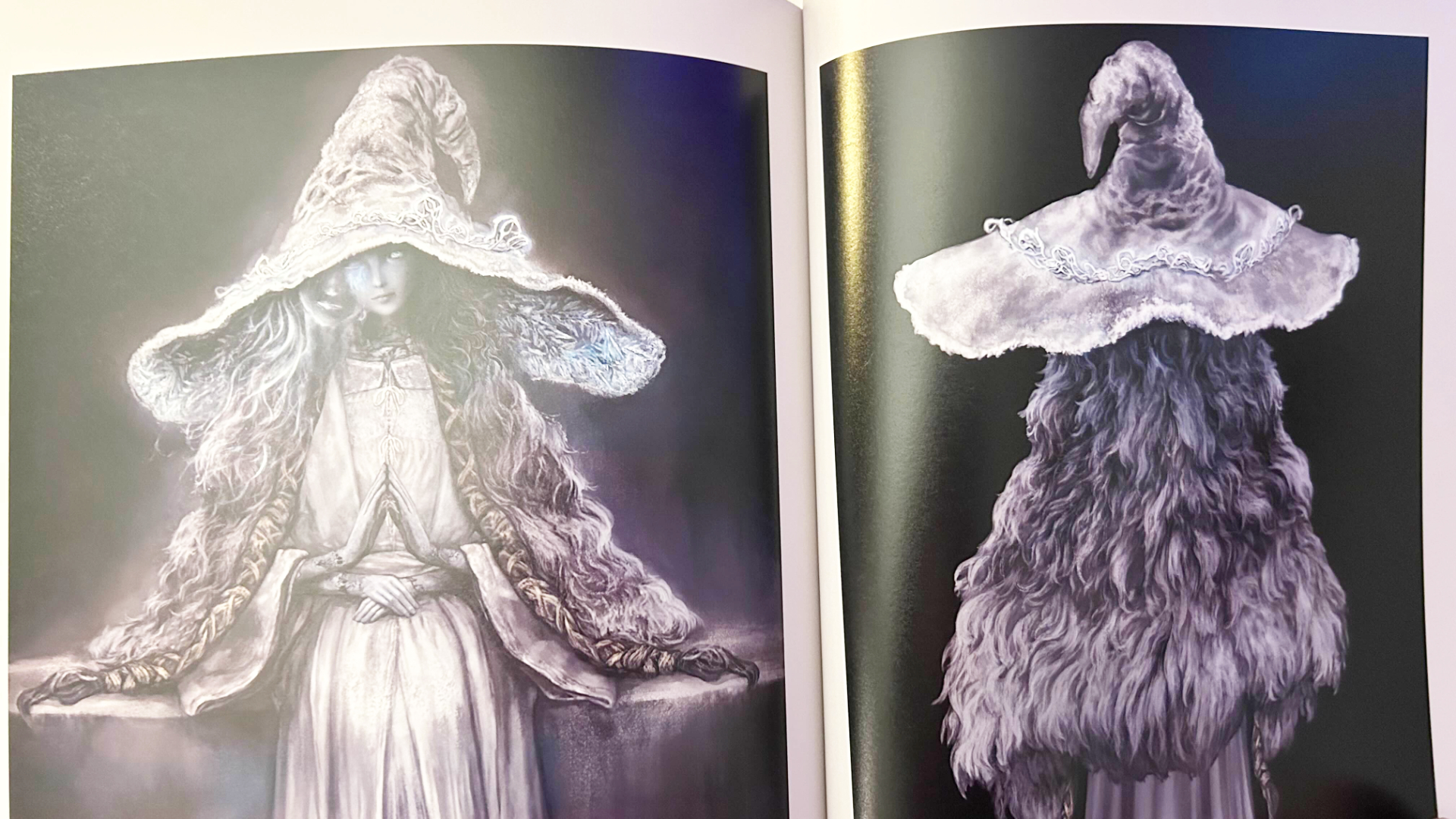
In the second art book it’s all characters and weapons, which are just as fascinating to look at. I’m partial to the depictions of characters like Malenia and Ranni. Both of them represent very different people who you might even think are opposed if you haven’t played the game. One is a small girl wrapped in a fur robe and wearing an oversized witch hat and the other is a valkyrie woman with metal prosthetics and flowing red hair. There are details like the tree insignia on Malenia’s cape that give a character who only really exists to be a boss fight more texture than most other games would bother to include. Both of them are so rich with tiny touches—like Ranni’s illusory second face—that tell a story all on their own.
The artists of FromSoft have such a vast imagination and vision for how to fit the millions of pieces that go into an open world game together that I’m constantly stunned that it all works so well. Elden Ring is obviously an excellent game to play, but it would be nothing without the love that the artists put into every inch of it.
Avowed
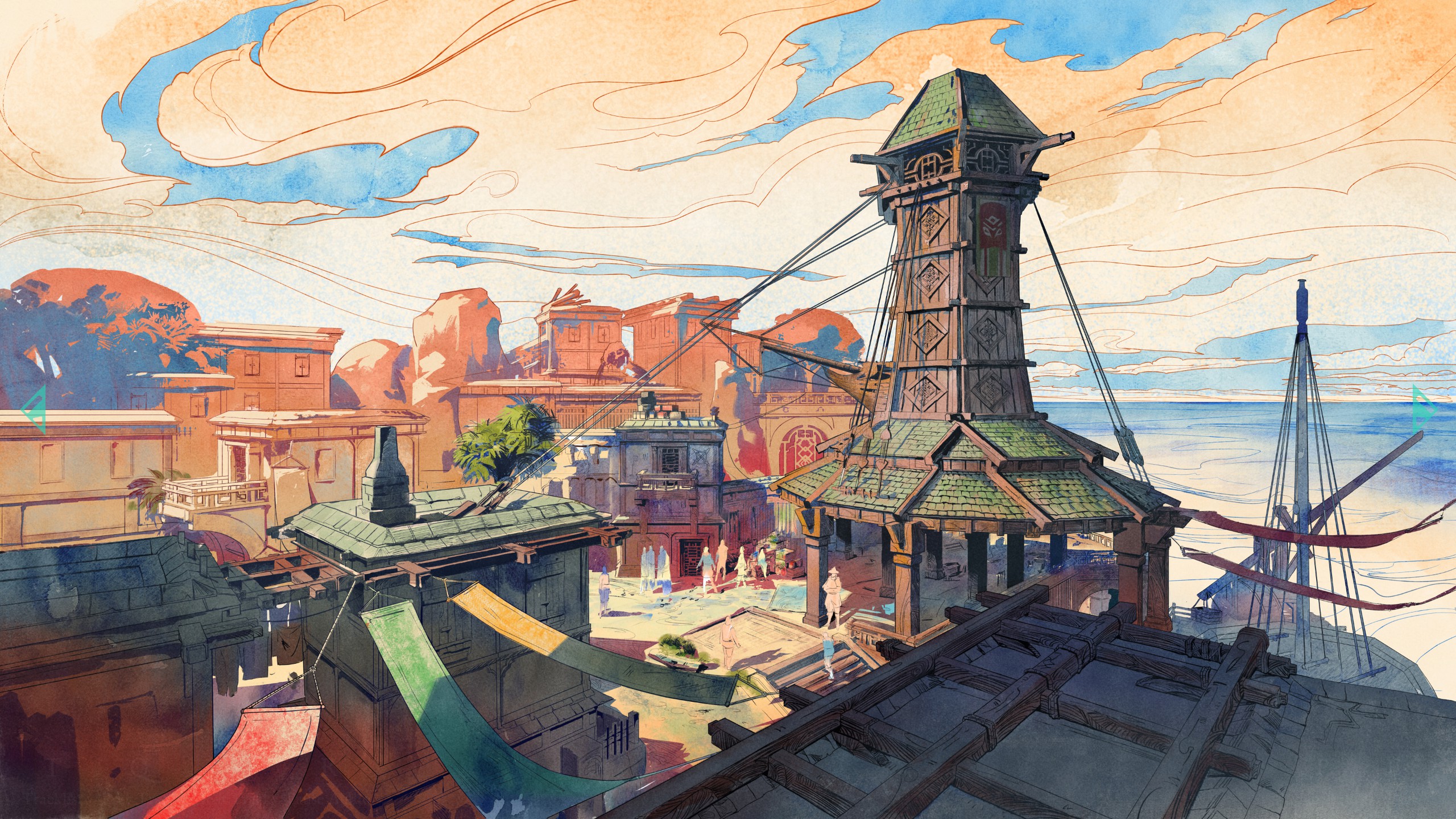
Ted Litchfield, Associate Editor: Pillars of Eternity 2: Deadfire is coming up on 10 years old, yet is still one of the most gorgeous videogames I’ve ever played. Part of that is due to superb art direction, but Obsidian also had the advantage of pre-rendered environment art. The locales of the Deadfire could be presented at extremely high levels of fidelity without stressing a GPU to the same extent as a realtime-rendered game.
Which is why Avowed felt like a minor miracle to me from our first real look at it: Avowed perfectly translates the style and feel of Pillars into full 3D, zooming in from classic CRPG isometric to a first person perspective. It’s an utterly gorgeous game, and that began with its art direction and concept work.
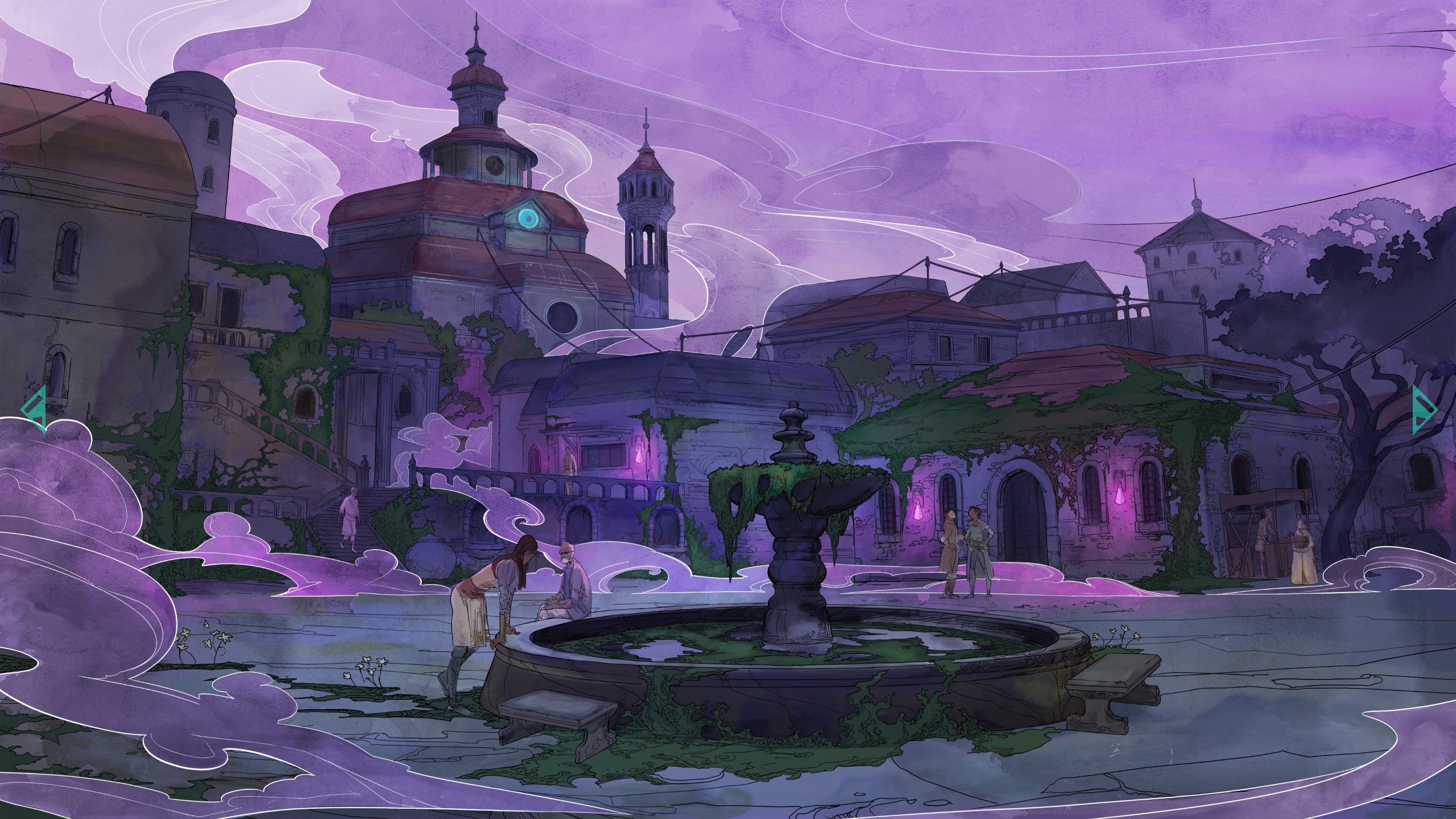
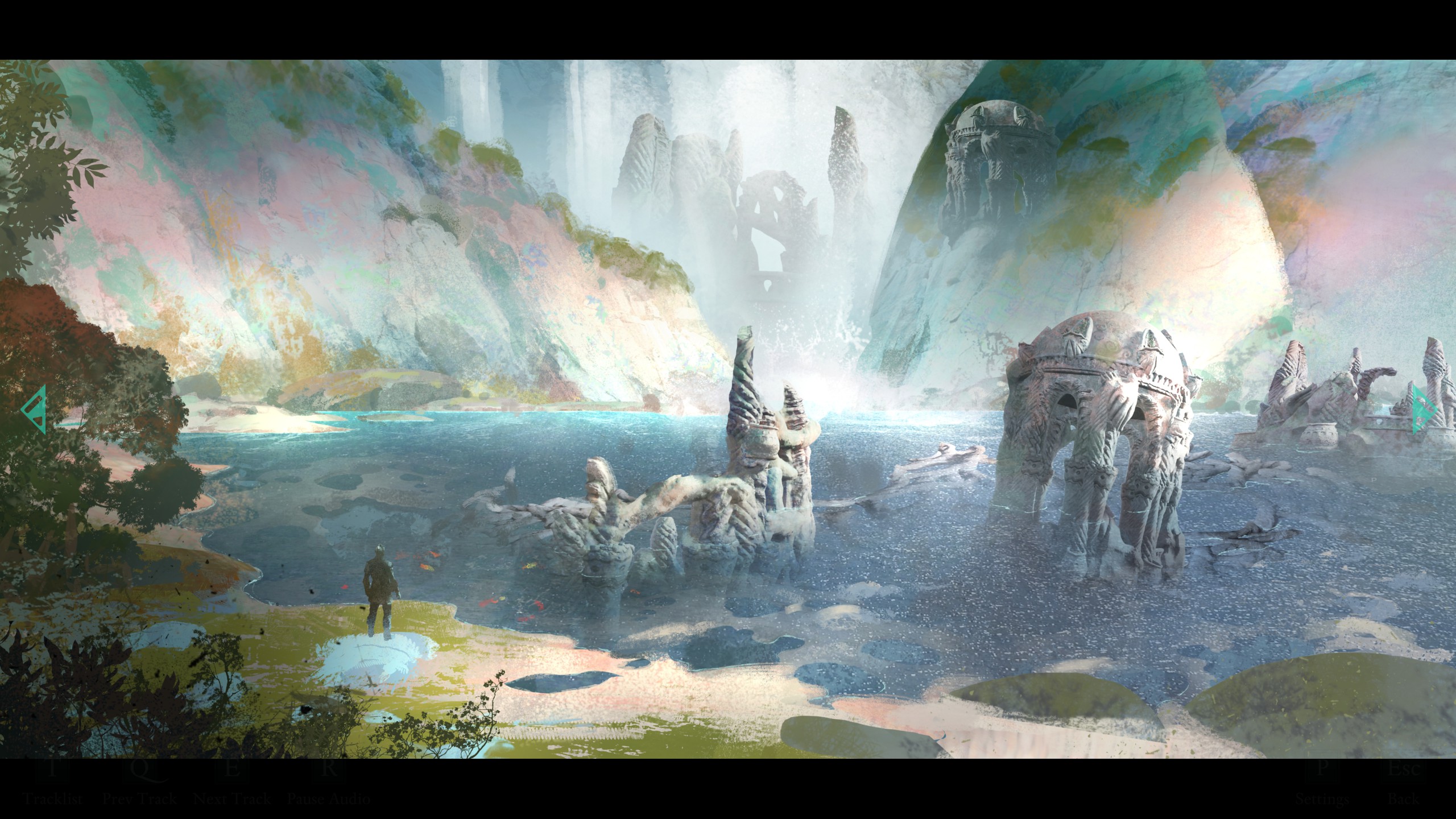
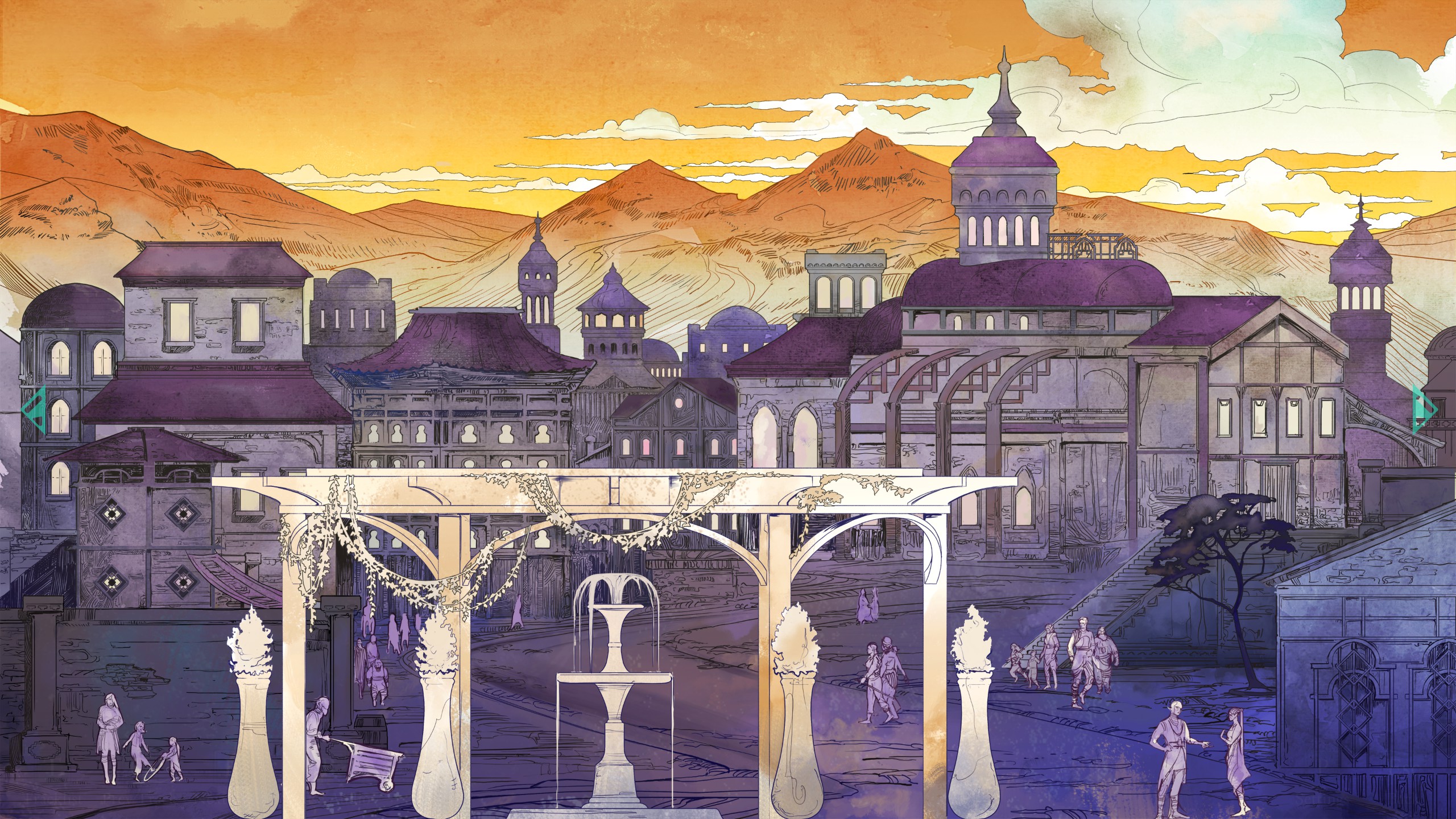
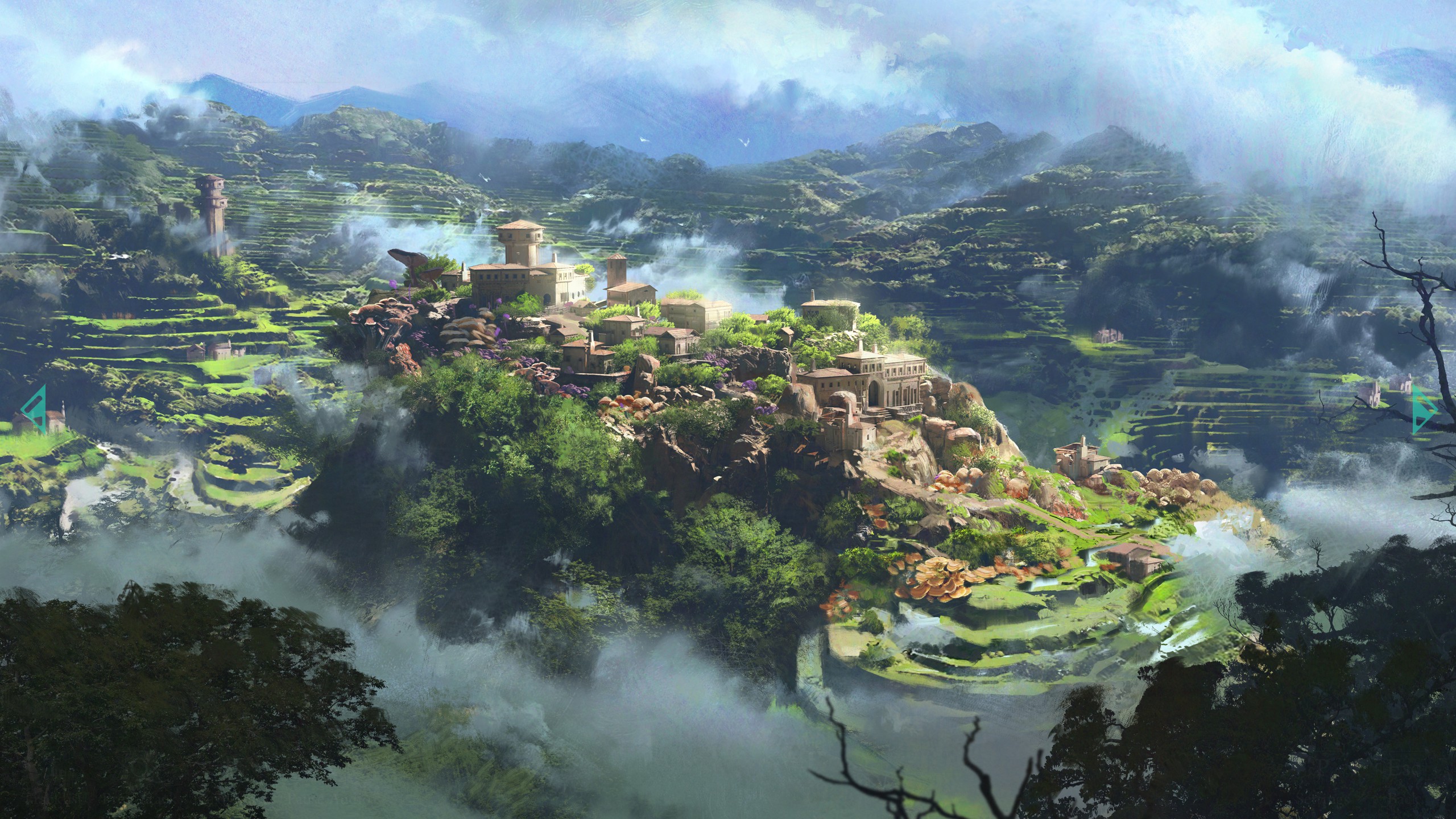
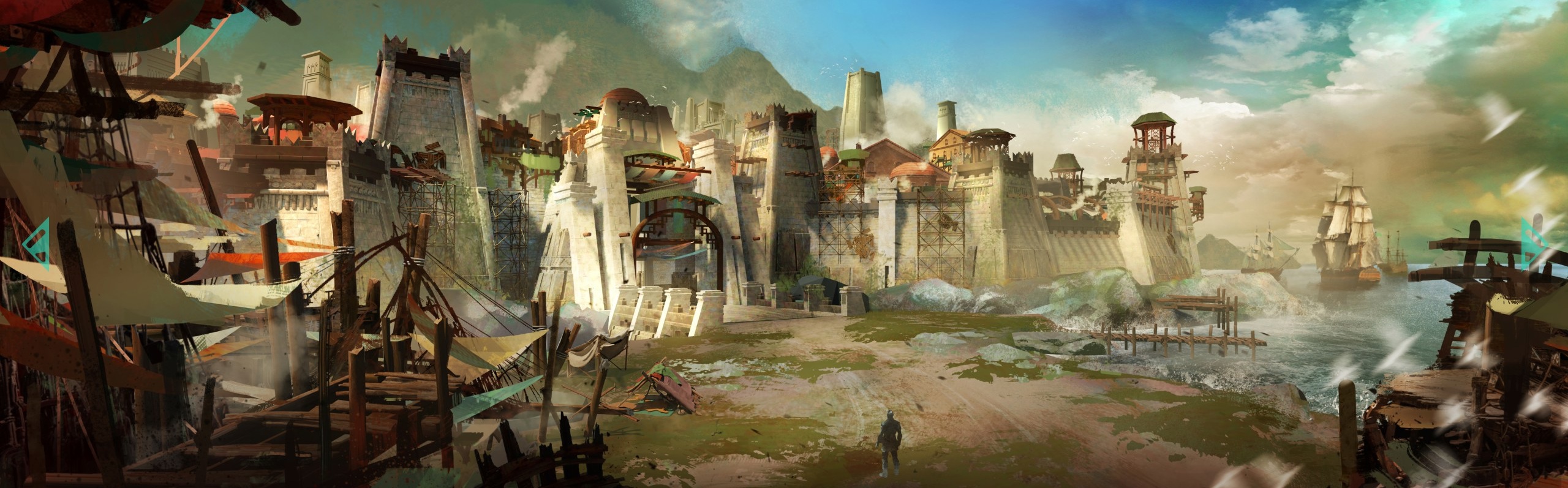
My favorite art to come out of Avowed has to be the comic book-style illustrations of major areas used in the game’s loading screens: They really build on the dreamlike, nostalgic feeling of the game as a whole. That first illustration under the heading above shows off the city of Thirdborn you explore late in the game. I dug it so much, I kept it as my desktop background for much of last year.
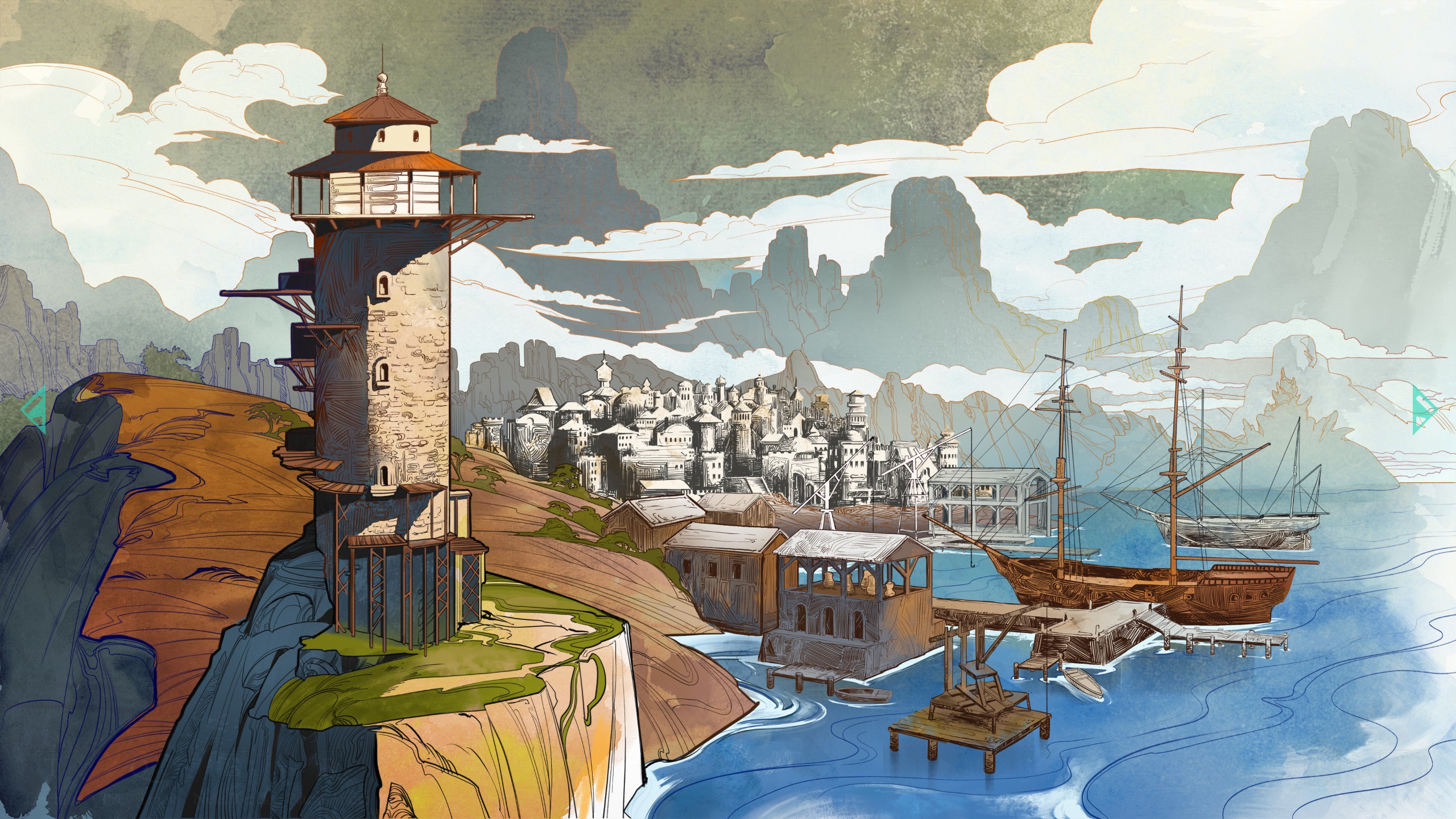
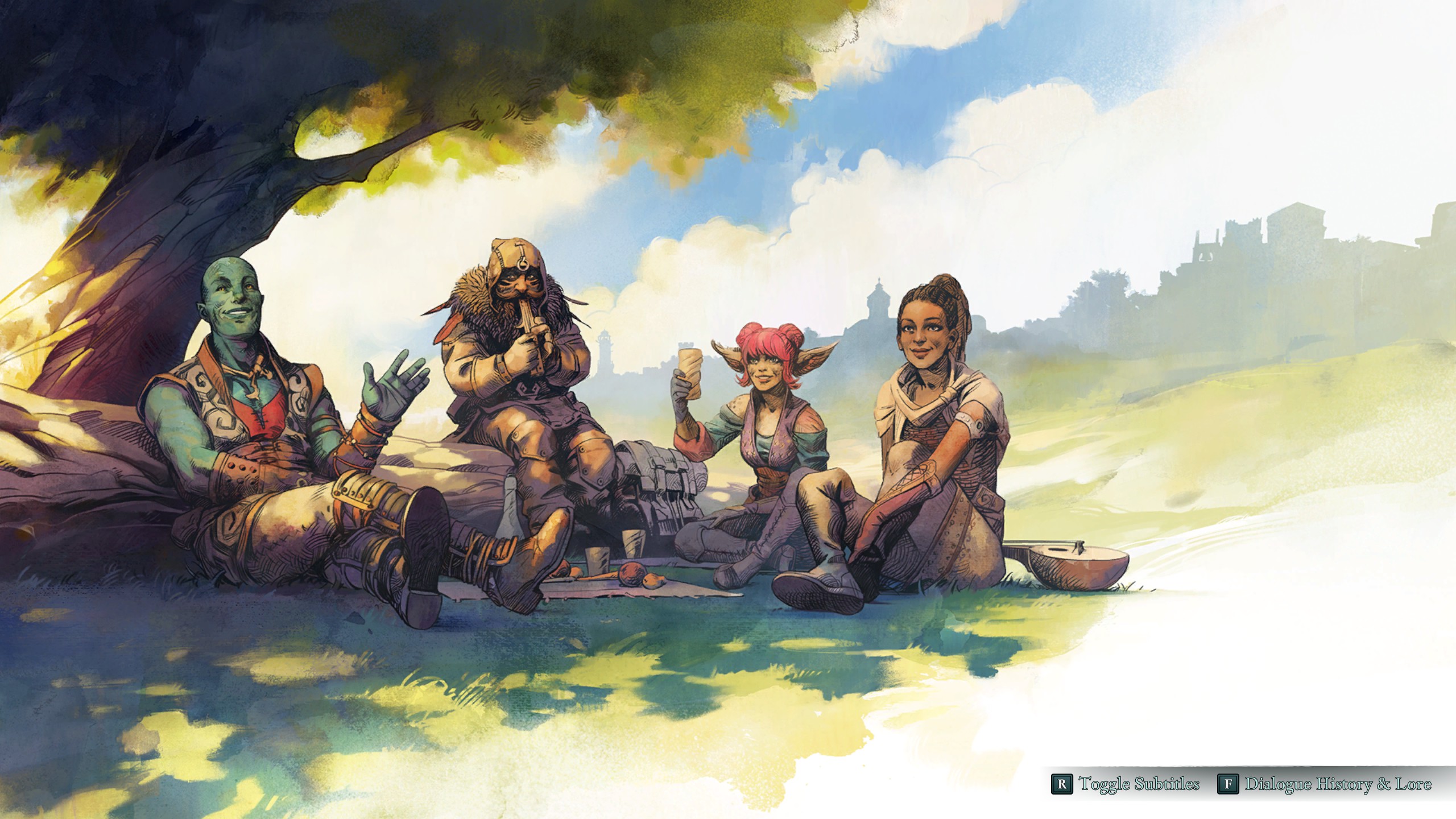
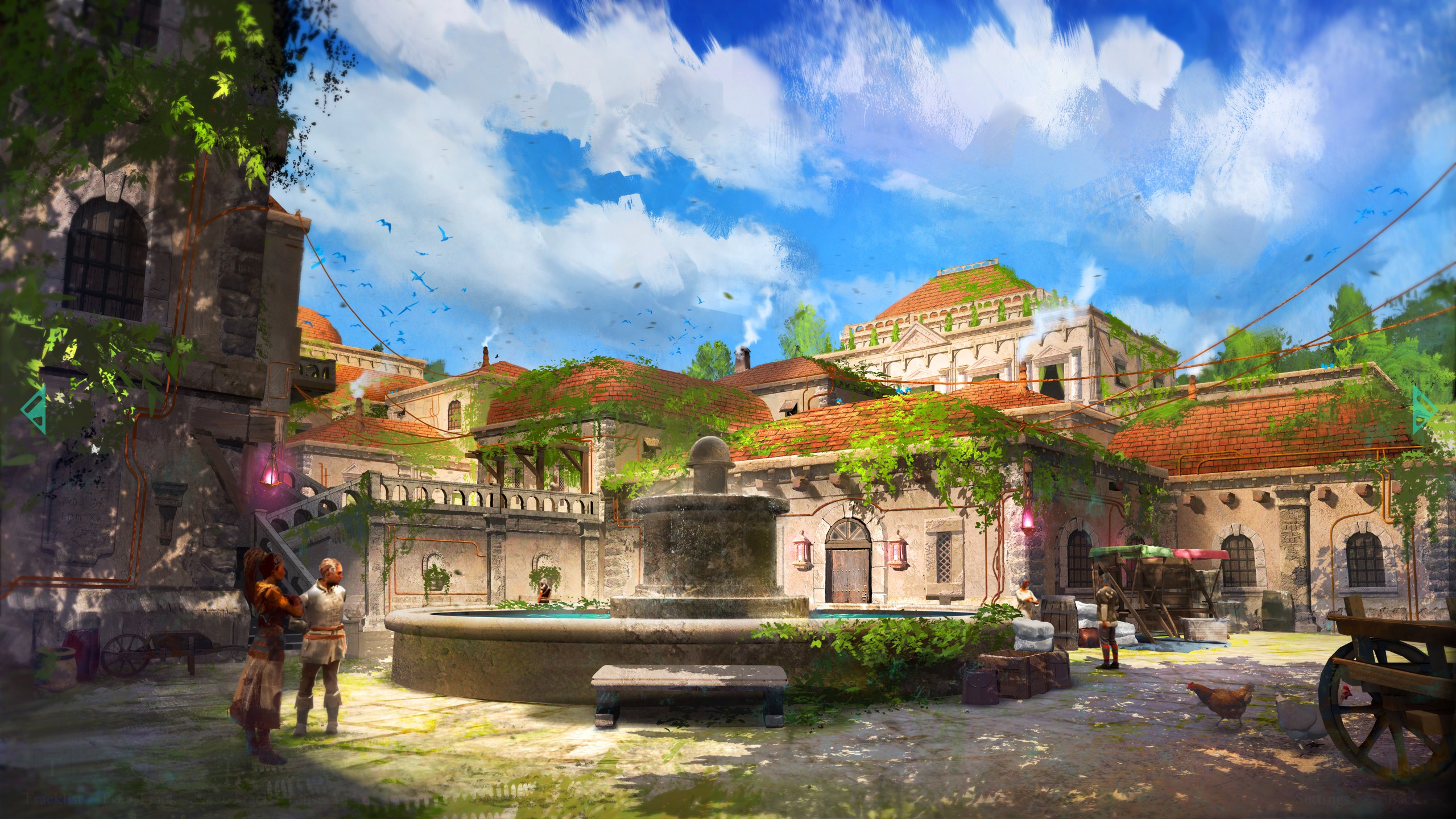
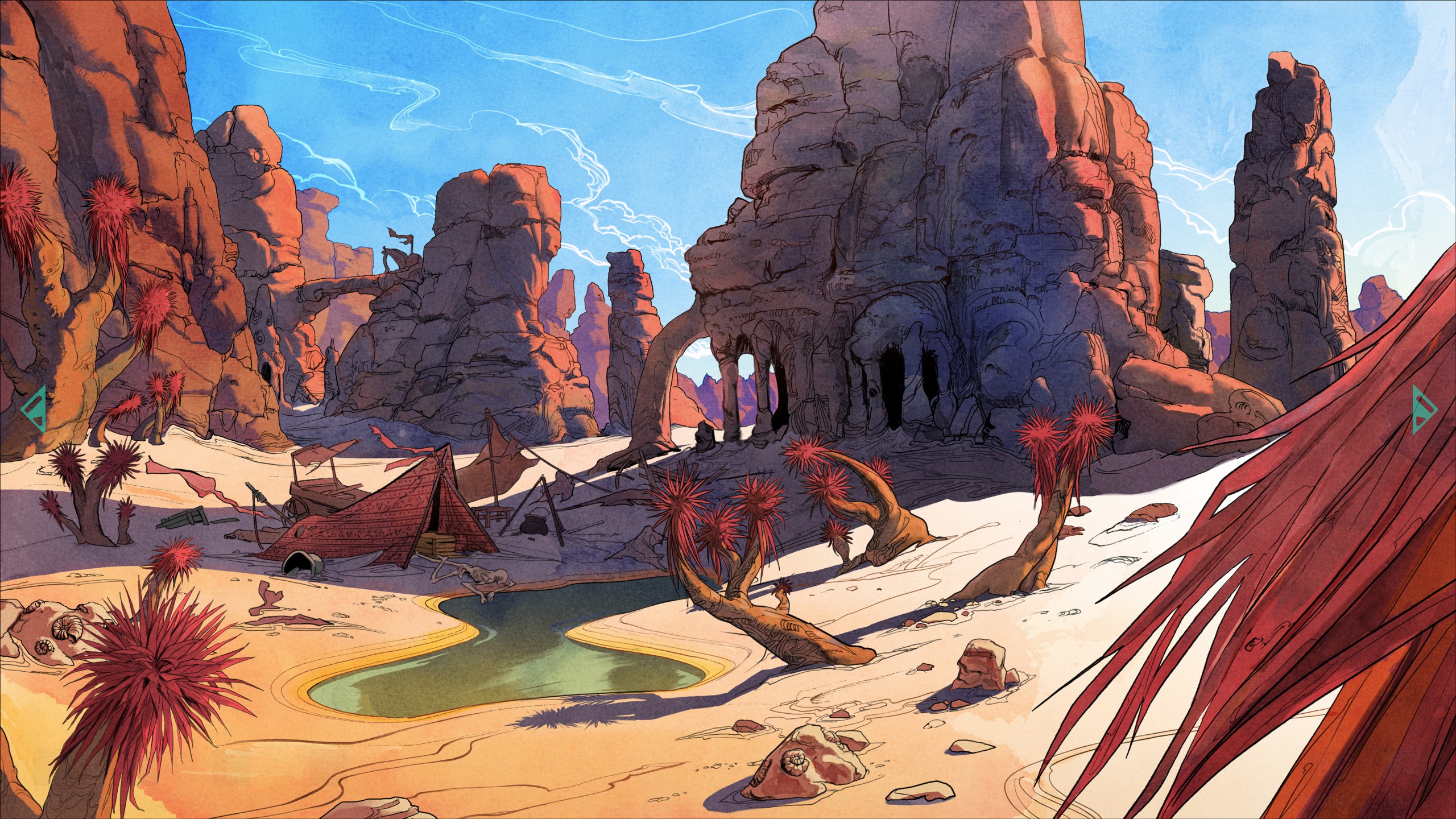
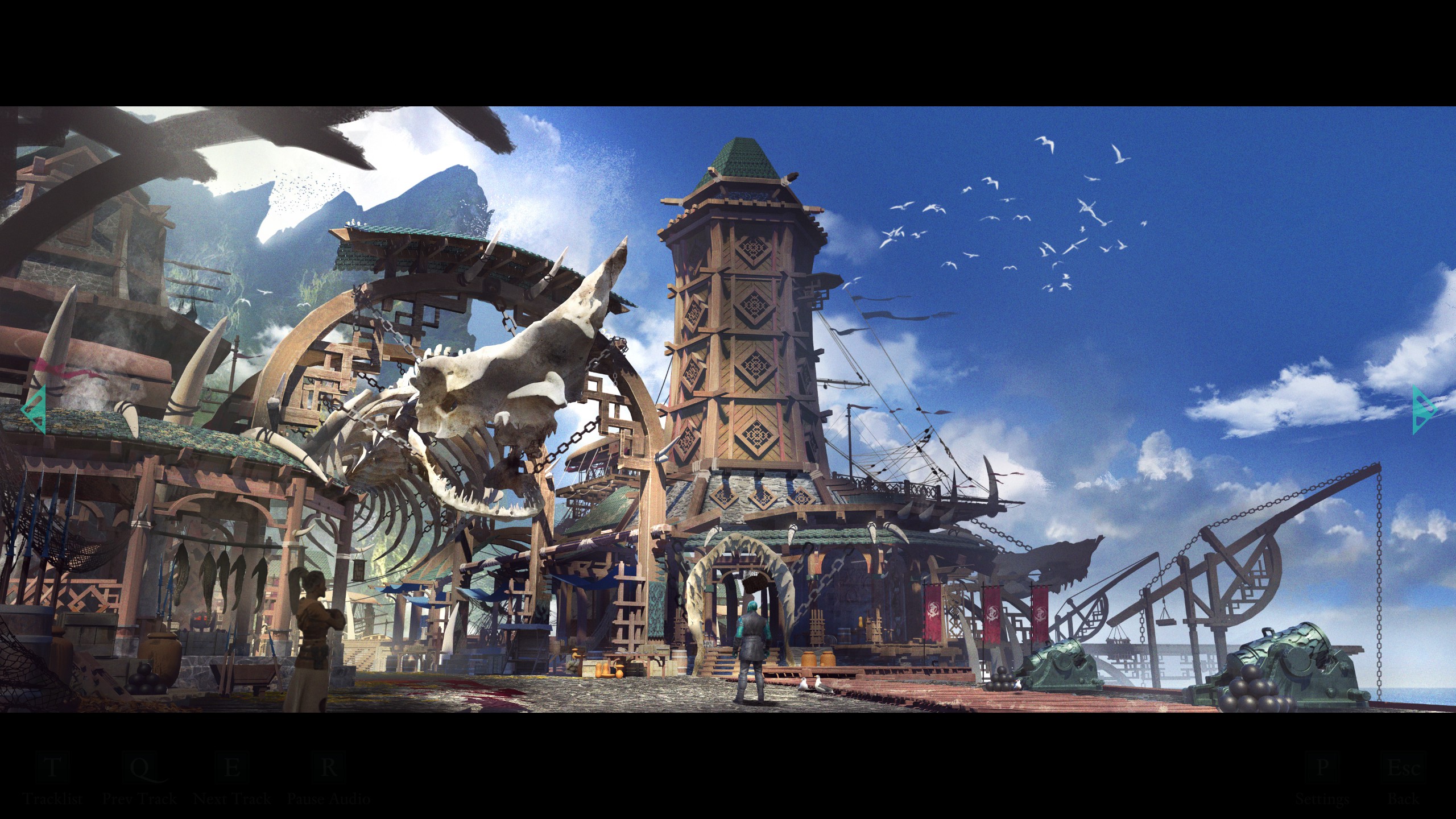
I also enjoy how Avowed does ruins and water–a lot of it has that Sonic 2 Aquatic Ruins vibe I’m always searching for in games. And, while my whole love sesh here was centered on Avowed’s environments, this is also a game with fantastic, inventive armor and weapon designs. Much like its younger sibling, The Outer Worlds 2, I think Avowed is a game that, in five years, everyone will say they always loved.
About Author