BioShock 2 was a bold follow-up to Irrational Games’ 2007 FPS, putting you in the lead-weighted shoes of a Big Daddy and flipping its objectivist critique on its head. But 2K Marin’s sequel may have been bolder still if some of its developers had their way on the project. Early plans for the sequel included far more dynamic encounters with its fearsome Big Sister enemies, letting them get the jump on you whenever they fancied.
This was brought to light by former 2K Marin dev David Lindsey Pittman in a Bluesky thread (via GamesRadar). “Way way back in the day on BioShock 2, me and Kent Hudson talked about doing a dynamic ‘Big Sister scare’ system, where we’d spawn the ostensible villain at the edge of your vision any time the game’s tempo slowed down,’ Pittman writes.
Pittman doesn’t specify whether these dynamic scares would have resulted in an actual fight or chase sequel a-la Alien: Isolation or Resident Evil 2 remake. Either way, it would have been an innovative approach to first-person horror in 2010, the same year that brought us Amnesia: The Dark Descent. In the end, however, the idea was scrapped. “It didn’t end up happening, and the Big Sister’s appearances were all scripted,” Pittman adds.
Nonetheless, Pittman says the idea “stuck around in my brain ever since”, and now he’s finally getting to use it in the current project he’s working on. That project is the occult Deckbuilder The Killing Stone, currently in early access development by Question, an indie studio formed by Bioshock 2’s director Jordan Thomas.
“CJ (artist) and Gretchen (engineer/designer) built a scare system, and it has added so much life to the level,” Pittman writes. “It’s very fun as a gamedev to be surprised by something in your own game.”
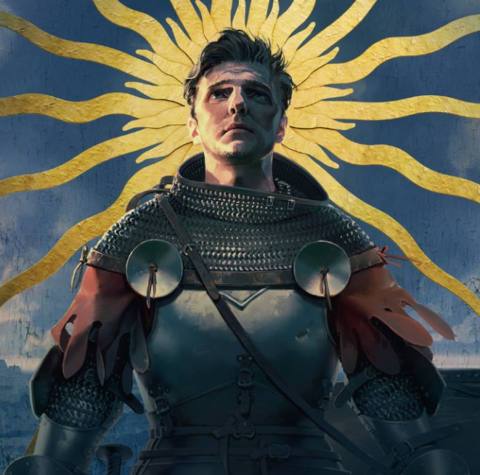
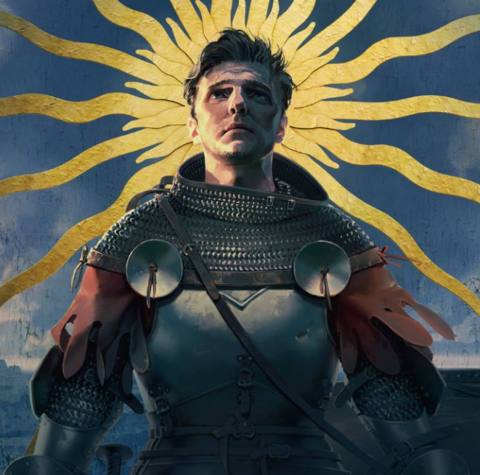
How exactly this scare system works in The Killing Stone isn’t entirely clear. But the game has two halves. One half sees you playing a virtual board game where you play cards to spawn living game-pieces to attack the other player’s pieces, while the other involves exploring an old, snowbound manor house and chatting to its denizens. The latter is presumably the “level” Pittman mentions, although enemies getting the jump on you while slamming down cards would be interesting also.
This is far from the only intriguing feature of The Killing Stone, which also lets you choose between modern English and a 17th century dialect for its dialogue and voice acting. Jody MacGregor split the difference when he tried it earlier this month, opting for period voice acting and modern text:
“I feel like that guy from Shakespeare in Love begging Will to stop speaking in verse, but between the occult mystery I’m trying to unravel and the card game I’m trying to learn, my brain didn’t have enough leftover horsepower to also deal with people who say ‘perchance'”.
Jody also enjoyed The Killing Stone more broadly, though found it a little rules heavy for his liking, and judged Question’s last-minute decision to release the game into Steam early access to be the right one. “Intriguing as the concept and story are, the pacing feels off and that’s made it a chore to play.”
2026 games: All the upcoming games
Best PC games: Our all-time favorites
Free PC games: Freebie fest
Best FPS games: Finest gunplay
Best RPGs: Grand adventures
Best co-op games: Better together
About Author