It’s been a quarter of a century since I kicked up a ruckus in the Colony, the setting of Gothic, the classic eurojank RPG that would go on to inspire CD Projekt to develop The Witcher. It’s been so long my bones feel creaky just thinking about it. This might also explain why my first encounter with a wolf in Gothic Remake saw me die in about two seconds.
My creaky bones aren’t solely to blame, though. Gothic Remake simply likes to remind you, at least in those early hours, how much you suck. You’re just some nameless convict who’s been hurled into a former penal colony that’s now run by the inmates—who are all trapped by a magical barrier.
Fresh meat
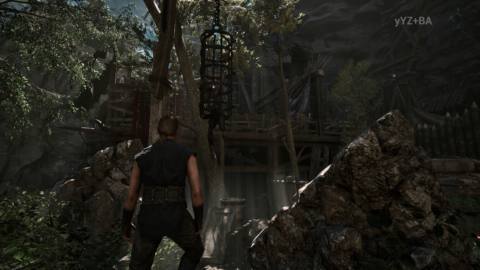
No weapons, no armour, and crucially, no clue—it’s an inauspicious beginning. If you weren’t playing RPGs 25 years ago, Kingdom Come: Deliverance might serve as a helpful touchstone. One day you’ll become mighty and important, but starting out you’re just some guy. More specifically, some guy who will struggle to go toe-to-toe with a single wolf, even after you’ve found a weapon.
The Elder Scrolls is an excessive American power fantasy, while Gothic is German to its core.
Gothic Remake’s first act, then, gives you a critical but unspoken objective: stop being useless. Rather than rushing off on some death-defying adventure—which, I should add, you absolutely can do—the smarter play is to get the lay of the land. Talk to people, forge alliances, learn skills, find some useful gear.
Where an RPG like Skyrim might see you meander into a cave, slaughter some goblins, and walk out with multiple enchanted weapons and some handy spells, Gothic makes you work a bit harder. The Elder Scrolls is an excessive American power fantasy, while Gothic is German to its core.
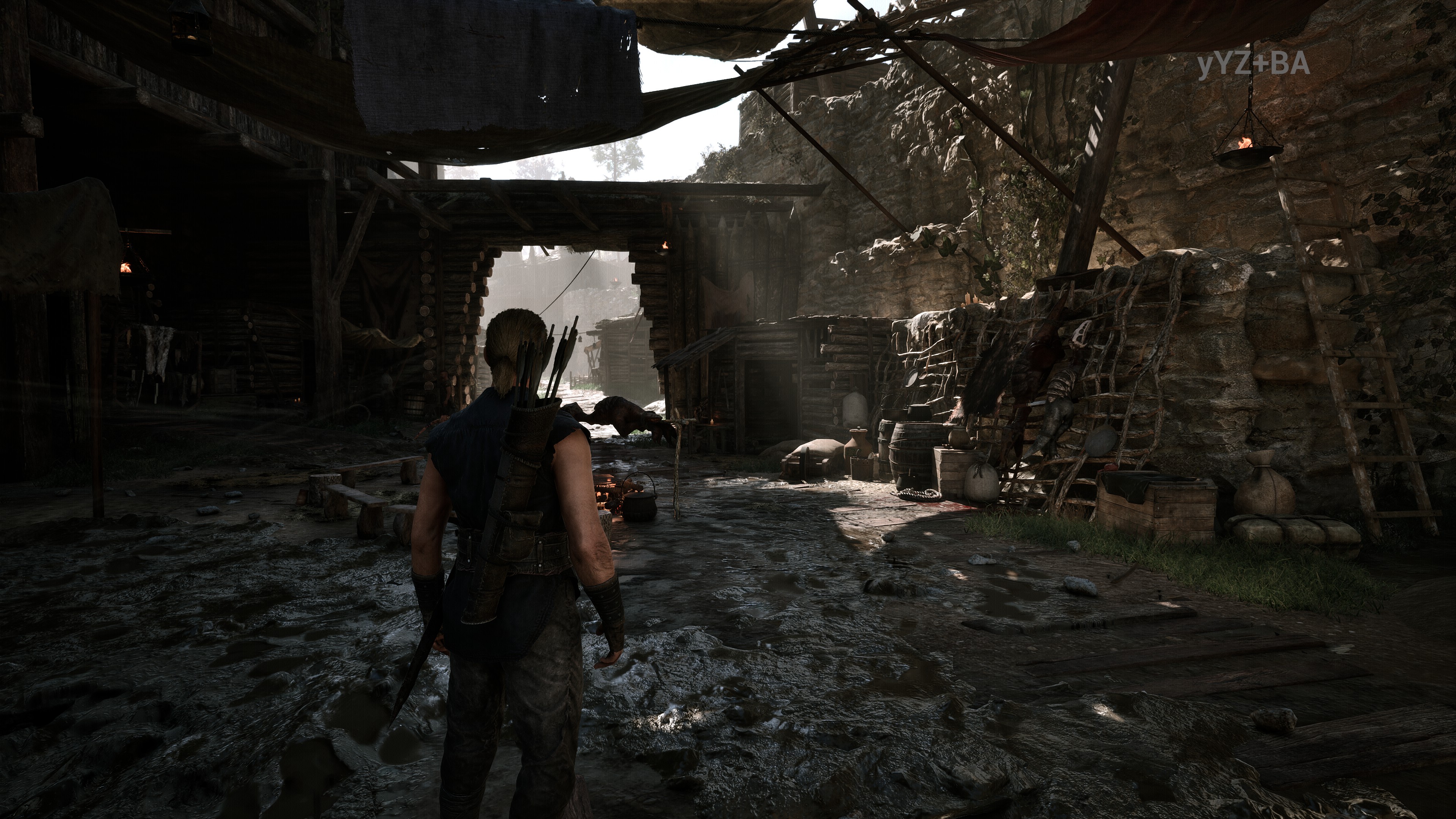
Sadly, OG dev Piranha Bytes is no more—another victim of Embracer’s irresponsible acquisition strategy, which always seems to end in studio closures. But from the few hours I’ve played this week, Barcelona-based developer Alkimia Interactive has kept Piranha’s foundations and original vision intact.
I don’t want to paint Gothic Remake’s opening hours as boring. They’re just more understated than a lot of modern RPGs. And if quests to find ingredients for a grim stew or avenging a dead man by murdering a family of molerats doesn’t get your blood pumping, the potential of Gothic’s setting should keep you eager even when you’re doing mundane tasks.
The Colony is a genuinely fascinating place. It was originally set up as a penal colony to fuel a war by digging up precious ore. But the inmates revolted, killing all the guards. The King won’t send an army in to pacify them, because the magical barrier—which nobody can control—will trap them inside. Thus, the King is forced to deal with the Colony’s new management if he wants his ore—which he absolutely does.
A call to faction
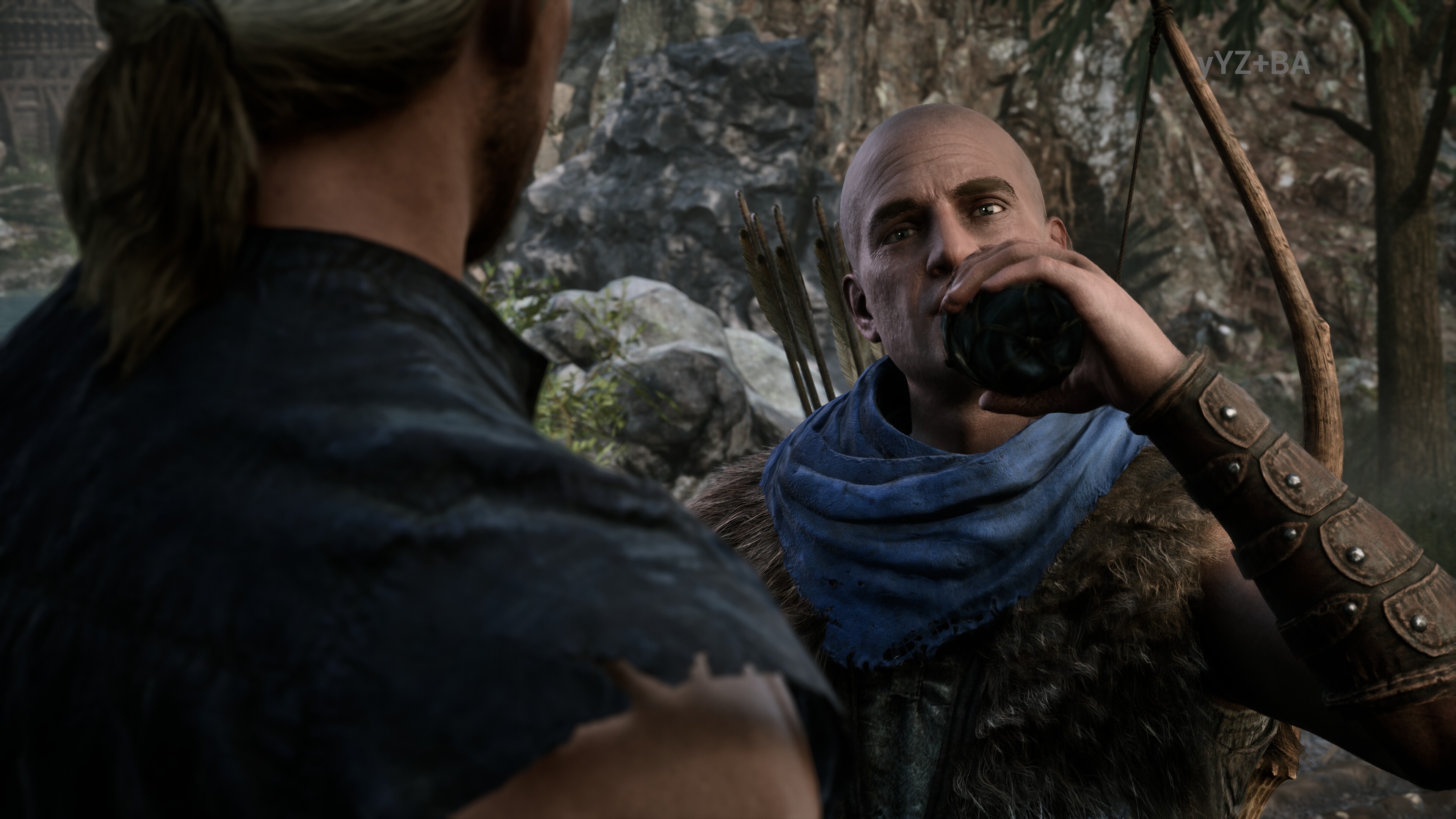
But the inmates quickly fractured, splintering into three distinct factions, each with their own camp. The Old Camp is the most organised and resource-rich faction, since it’s the one that sends ore outside, which the King is glad to pay for in whatever the convicts want—whether it be food, equipment or women. The New Camp, meanwhile, is a more cutthroat place, but this faction is actually looking for a way out, with the help of some water mages. Then there’s the Swamp Camp, full of “loonies” who worship an ancient slumbering god.
The place is also full of dangerous beasties and monsters, ancient ruins, deadly mines and an enclave of orcs who—you’ve guessed it—ain’t a fan of humans. The joy of Gothic in 2001 was that you could just do your own thing, picking from several paths to complete your big objectives, while cosying up to the factions of your choosing. This is true of Gothic Remake as well, though the short preview build included invisible walls—which won’t be in the final game—that precluded me from visiting two of the camps.
This unfortunately left me with no choice but to play Gothic Remake in a pretty linear fashion, which is just about the worst way to play Gothic. Sure, I was still given the opportunity to be, for example, an untrustworthy bastard, filling my pockets at the expense of my fellow crooks, but when I wanted to find my own adventures, I was pretty limited.
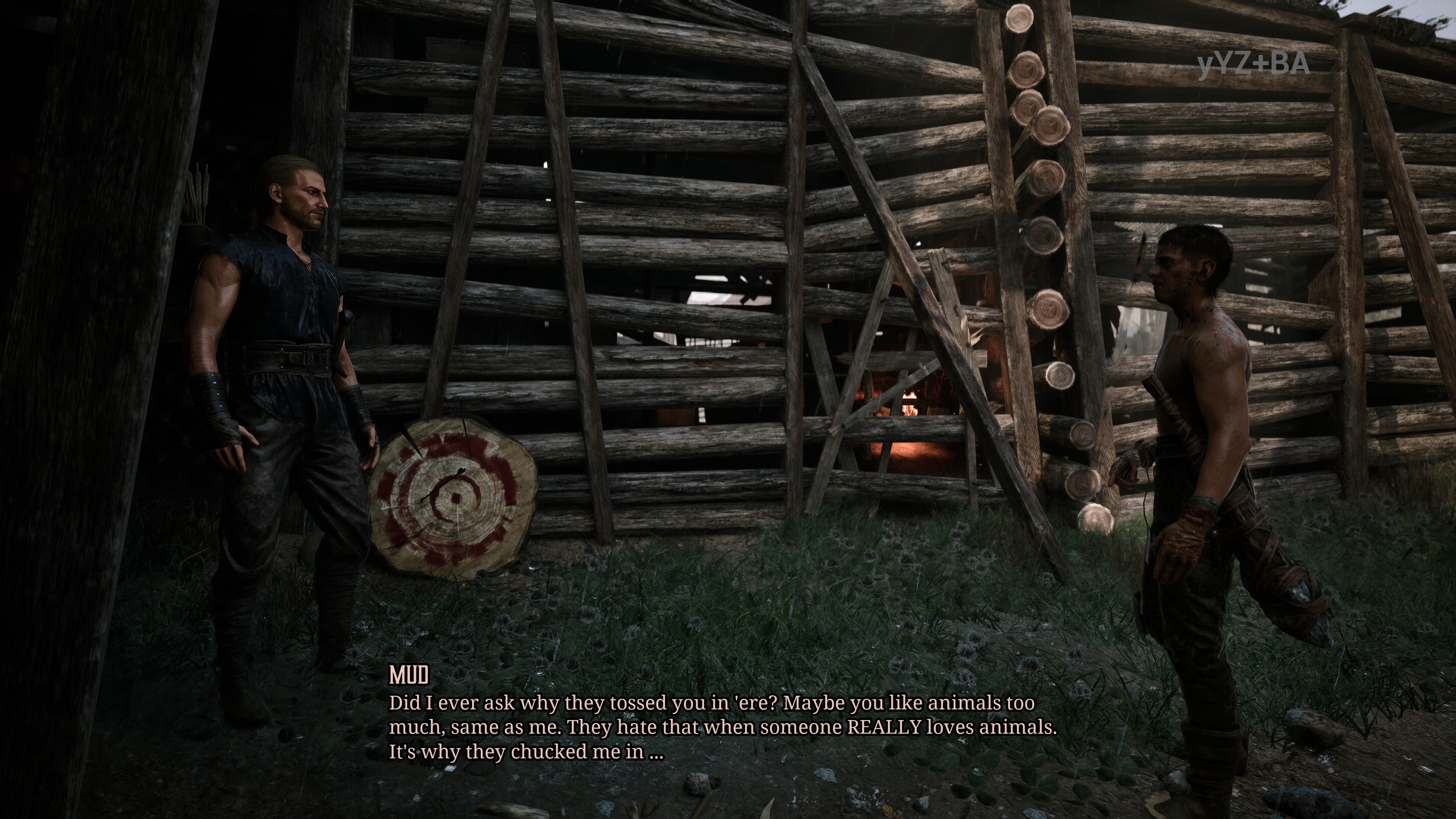
Before I realised where the invisible walls were, I decided I wanted to leave the Old Camp. This is where the first NPC you meet guides you, and it’s a solid place to start the game. There are shops, opportunities to make ore—which serves as the game’s primary currency—and learn some skills. But after getting shaken down by a warden—effectively the law in the Old Camp, but they really just maintain a protection racket—stabbed by a man who didn’t like my face and stalked by a NPC who wouldn’t shut up, I decided I’d had my fill.
It was time to join a cult! And conveniently a representative of the Swamp Camp cult was in Old Camp and eager to show me the way. Then we hit an invisible wall, a crocodile appeared, my chatty stalker bolted and I got murdered in one chomp. At least I got an anecdote out of it.
I guess being trapped around the Old Camp feels kinda appropriate for a game where you’re immediately flung into a magical prison. So I went back to the Old Camp, saving up ore so I could get better at picking locks, so I could find more ore, so I could buy better gear, so I could fight my way through caves and find—big surprise—more ore. Bloody capitalism.
Cruising for a bruising
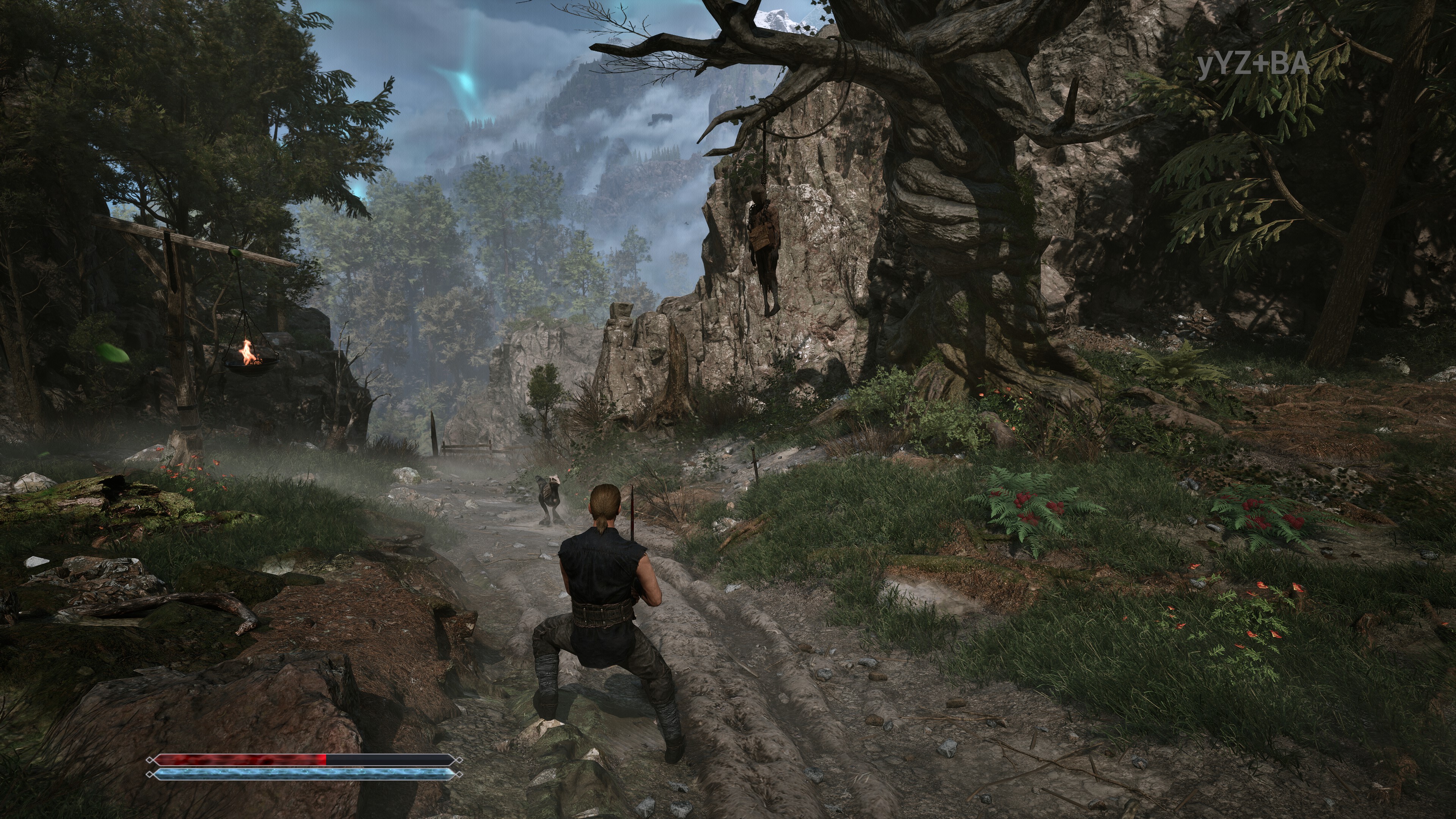
To spice things up I challenged a mercenary visitor from the New Camp to a duel in the arena. I hit him once and I swear his health bar didn’t deplete even a tiny bit. Then he immediately knocked me unconscious. Maybe I’ll save the arena for later.
Its eurojank origins are still evident.
I’m more than happy to take a battering in a less-than-friendly RPG, but I do hope Gothic Remake’s combat improves as its initially-useless hero develops. In the early hours, duels are simultaneously floating, lumbering affairs absent any rhythm. But this isn’t necessarily a bad thing, as it reflects the fact that you’re an unskilled nobody. For this to work, though, progress needs to mean more than becoming stronger or having more combos—the fights need to flow better, and feel better too.
Despite being considerably better-looking and more polished than the original Gothic, its eurojank origins are still evident—which isn’t a bad thing. I didn’t encounter any bugs, glitches or too many unintended oddities, but there’s a clunkiness to it—combat, animation, the controls—that gives the impression that it’s being developed by a smaller team on a tighter budget. But the impressive vision and raw ambition that powered the first game is still very much present.
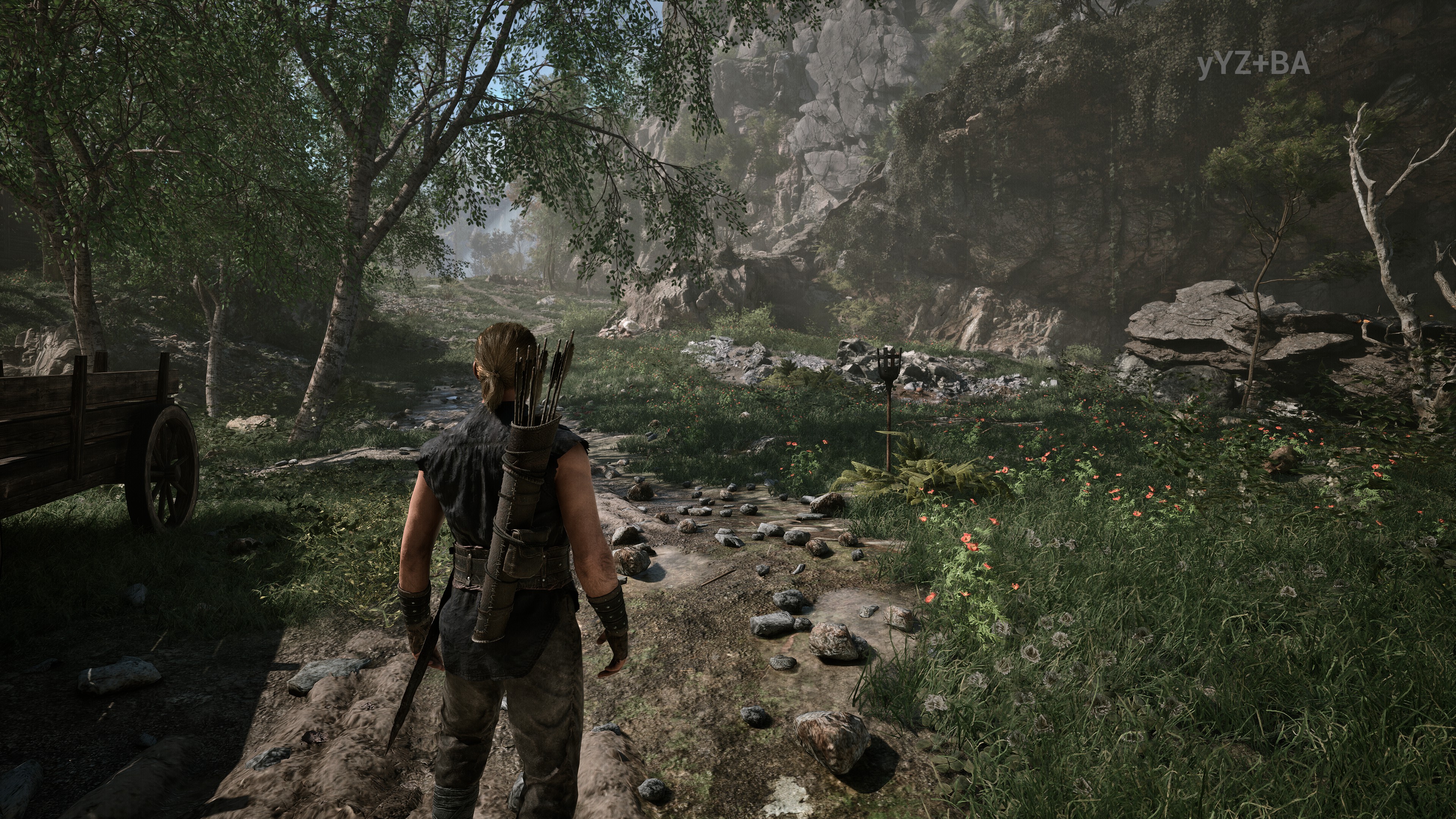
What holds it all together right now is a genuine sense of discovery. There’s no minimap, and you have to purchase proper maps, which require ore you won’t have access to immediately. NPCs will give you decent instructions when they dole out a quest, and you get a quest log, but you’re also expected to figure things out yourself. It’s inconvenient, but that’s what an adventure is meant to be—you muddle through until you’ve got some experience under your belt.
So I’m eager to get stuck into the real deal, without the invisible walls and with all the paths unlocked. These kinds of RPGs aren’t as common as they once were, leaving us with little options aside from blockbuster fare or something more indie-flavoured. With French RPG developer Spiders being forced to end its 18-year run last month, it would be reassuring to see Gothic Remake knock it out of the park, showing everyone that Kingdom Come: Deliverance wasn’t an exception, and that there’s still a hunger for eurojank roleplaying romps
2026 games: All the upcoming games
Best PC games: Our all-time favorites
Free PC games: Freebie fest
Best FPS games: Finest gunplay
Best RPGs: Grand adventures
Best co-op games: Better together
About Author