The founder of laptop company Framework did something radical on Tuesday, setting him apart from nearly every other tech company in the world: He stood on a stage and said nice things about the personal computer.
“For the first time in history, more silicon is actually going into the cloud than it is into personal computers,” Nirav Patel said. “What it means to own a computer at all is fundamentally different than it was even a year ago. You can lease effectively infinite compute from the cloud, by the hour or by the token, instead of having it sit at your desk.”
Then he pretended—for all of five seconds—to pivot to AI before admitting it was a bit.
“This industry wants you to own nothing and be happy. We’re fighting for a future where you can own everything and be free,” he said. “We think a personal computer should actually be personal: Something you can own at the deepest level, and do what you want with.”
As far as pointed criticism of the tech industry of 2026 goes, Patel is more or less wielding a butter knife. He’s not directly calling out, for example:
- Microsoft for glazing generative AI or enshittifying Windows
- HP for leasing laptops
- RAM companies like Samsung and SK Hynix and Micron for shifting consumer memory production over to AI datacenters
- Nvidia’s incredibly lucrative pivot to AI over gaming
- Or Meta’s nakedly embarrassing one.
Framework even marketed last year’s small form-factor desktop as a great PC for running AI models locally, instead of in the cloud—the company clearly does not view generative AI as more or less the enemy of humanity in the way that I do. (At least I have Dave Oshry on my side).
Even knowing that Patel is offering the lightest possible pushback against the status quo of 2026—and that a mantra like “we’re fighting for a future where you can own everything and be free” is savvy marketing for a company that makes 100% of its revenue selling hardware—I’m not just drinking the Kool-Aid, I’m dumping a cooler full of it over my head like I just won the Super Bowl.
God it’s refreshing! A technology company in the year 2026 that just wants to sell you a good computer. And not just a good computer, but one that you can keep upgrading with new parts for years.
In fact, despite announcing a new laptop model today with a redesigned chassis, Framework bent over backwards to stick to the principle the company was founded on—making its products as forwards- and backwards-compatible as possible, maintaining upgradability and minimizing waste.
The Framework 13 Pro is cool, but not nearly as cool as the fact that I can buy just the new CNCed aluminum chassis to stick the guts of my current Framework laptop in. Or I could go for a full upgrade kit that fits the new higher capacity battery, a welcome 13Wh improvement over the one I already have. I’m tempted by the Laptop 13 Pro’s new default screen and Intel Core Ultra Series 3 mainboard, which Framework claims offers MacBook-caliber power efficiency. But I can also buy those parts piecemeal and slap ’em into my current laptop. All the old expansion cards, offering I/O like USB-C and HDMI and microSD, are still compatible.
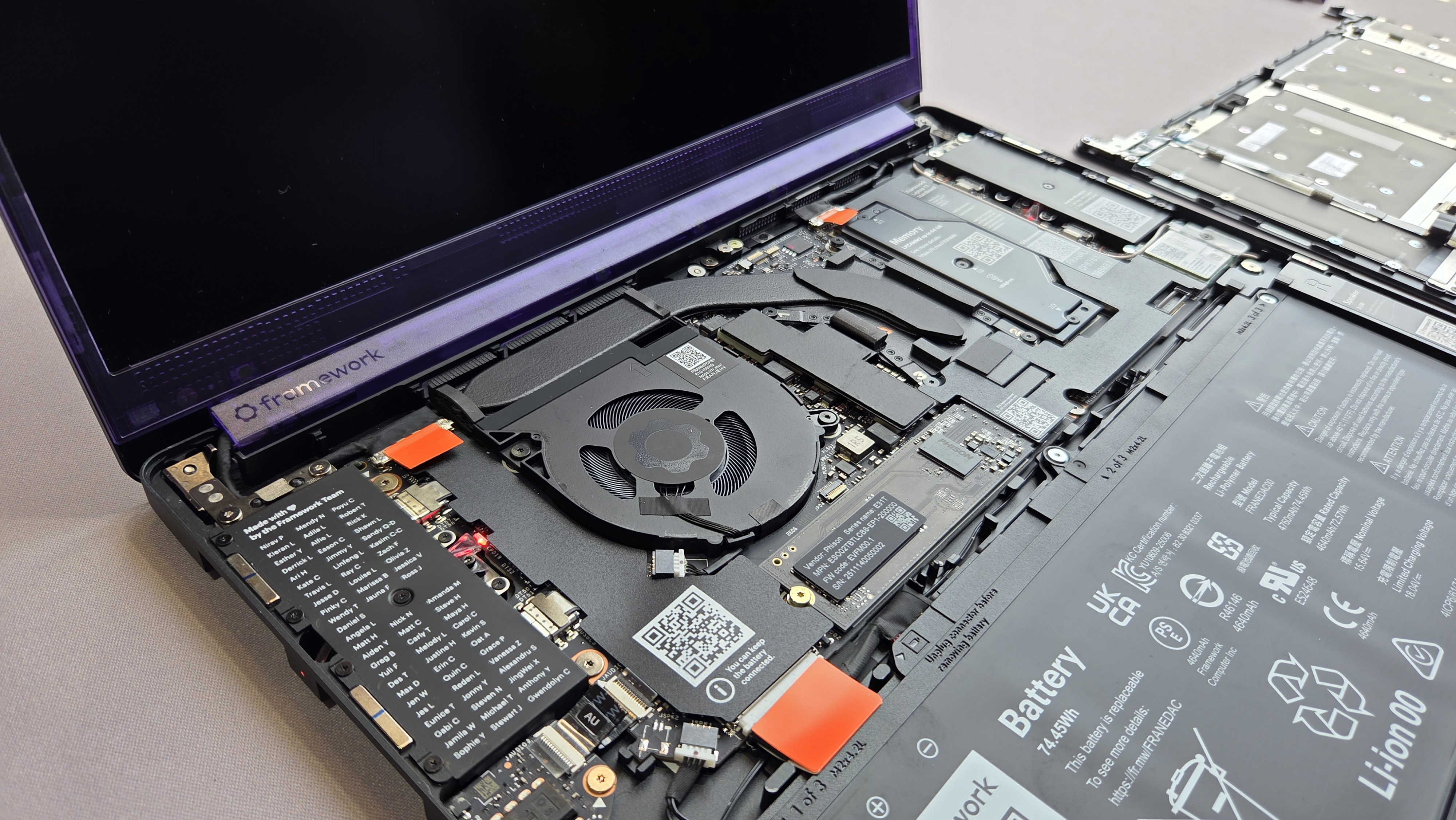
None of this is really news or remarkable to the Framework faithful, but I do think it’s revealing that even when the company had the opportunity to make a clean break and cut off support for components that are now six years old, it instead doubled down.
Framework is also, to my knowledge, only the second company to actually offer a product that uses LPCAMM2 memory. Everyone else has tossed upgradability out the window and just used soldered memory instead. There are, of course, benefits to that approach—Apple’s uncharacteristically cheap MacBook Neo costs about as much as a single 64GB stick of LPCAMM2 RAM—but it feels a little ridiculous for a company with fewer than 200 employees to be pushing the hardware envelope instead of one of the competitors that’s dozens of times its size.
Even if Patel’s jabs at AI were ultimately mild, it still makes me feel a little bit more sane to hear someone at the head of a technology company making them. More significantly, Framework spent time highlighting compatibility with Linux, and had a rep from Ubuntu hop up on stage to talk about their collaboration.
“Oh, and you can also choose Windows, if you want,” Patel joked afterward. That was the sum total of Microsoft’s representation during the presentation.
I know I’m not the only one who feels madder and crazier by the day for being so sick of AI that I’d cackle with glee at this bubble bursting even if it took my whole 401k down with it. It’s ruining the internet and making our hobby worse and far less affordable, and so far this year only Dell has managed to give a tech presentation that didn’t make me want to scream.
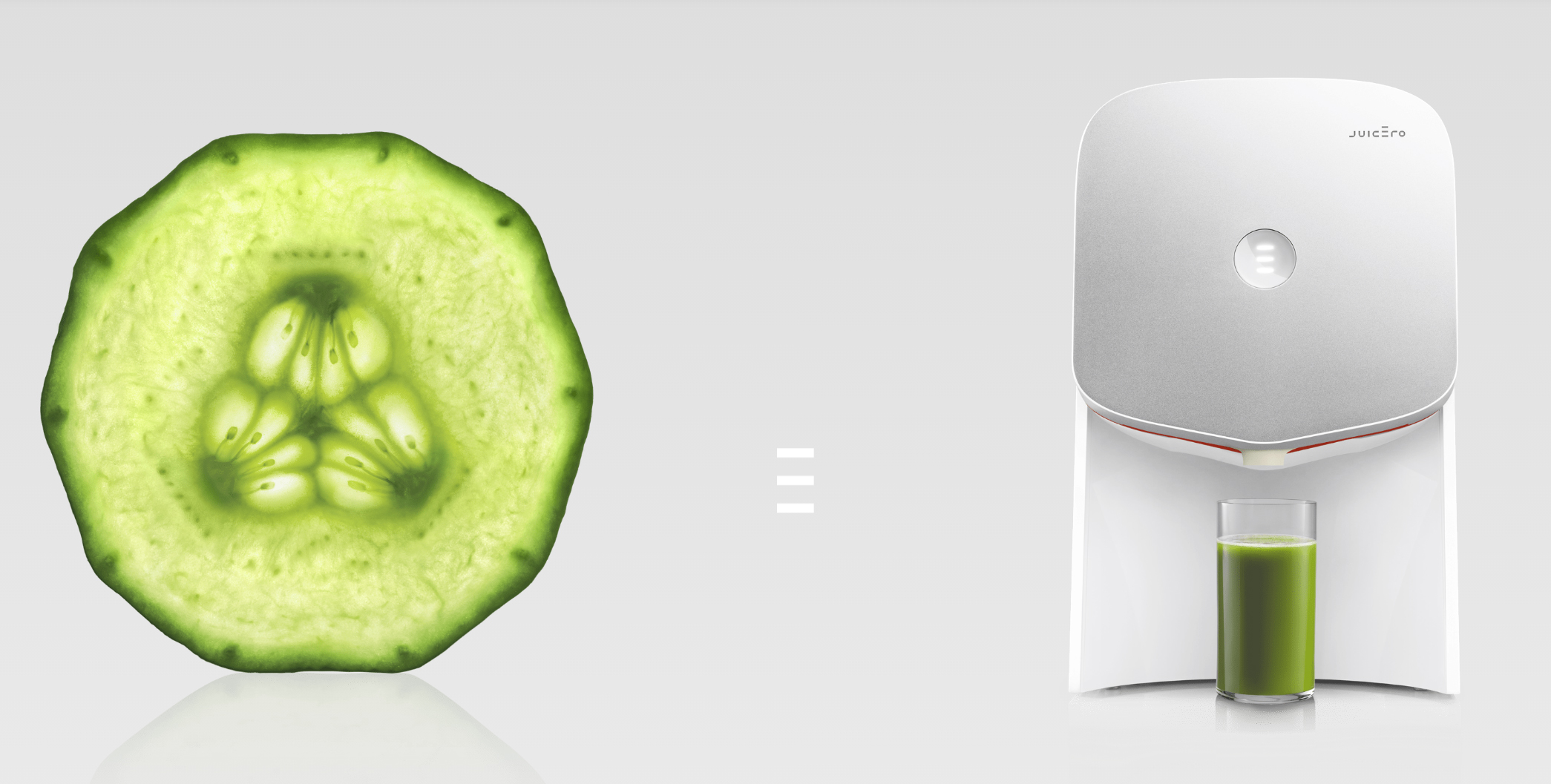
The Verge’s Elizabeth Lopatto hit the nail on the head when she wrote yesterday that Silicon Valley has forgotten what normal people want, tracing a line from 2016’s $400 Juicero (a machine that squeezed throwaway proprietary juice packets for you) to NFTs, the metaverse, and how the tech industry is now dumping billions into use cases for AI it then tries to retroactively justify.
“Within recent memory, people who made software and hardware understood their job was to serve their customer,” she wrote. “It was to identify a need, and then fill it. But at some point following the financial crisis, would-be entrepreneurs got it into their heads that their job was to invent the future, and consumers’ job was to go along with that invented future.”
I think it’s beautiful that the one tech company currently offering the cure for Lopatto’s terminal diagnosis is just… making good PCs, and is as committed to looking backwards as it is forwards. That old computer you bought awhile back? No need to throw it out. It’s still got some life in it yet.
About Author