Weird Weekend is our regular Saturday column where we celebrate PC gaming oddities: peculiar games, strange bits of trivia, forgotten history. Pop back every weekend to find out what Jeremy, Josh and Rick have become obsessed with this time, whether it’s the canon height of Thief’s Garrett or that time someone in the Vatican pirated Football Manager.
If you’ve never endured a corporate cybersecurity training session, here’s the gist: every USB stick is a gift from god. If you find one, errant in the street, it’s your solemn duty to slam that thing into the nearest available port with such enthusiasm it fractures your wrist. If that USB stick is labelled “From North Korea”? Even moreso, probably. It’s travelled a ways to get here.
I have been playing with RedStar OS 3.0, a homegrown national Linux distro of the Democratic People’s Republic of Korea (though plenty of machines in the country stick to various versions of Windows). In what security experts are calling “A really good idea, Josh,” I have been tinkering with it in a virtual machine—or several—on my PC. It’s all very normal and fine and not worth bothering the IT department about.
You might be thinking “Haven’t you done this before?” in which case I salute your memory. Yes, I have mucked about with RedStar OS, all the way back in December 2022, when I investigated which pariah state OS is best for gaming.
What led me back? Two things. The first, I am not running vanilla RedStar OS this time. I’m running RedStar OS 3.5 (or trying to—more on that later), a, uh, fan mod of base RedStar that claims to hack out the spyware, more easily switches the OS to root, quickly turns most of the GUI English, and—notionally—adds “a new 64bit kernel, new compiler, new 64bit libraries, and a lot more.”

Which is quite a big deal, really; RedStar 3.0 is long in the tooth. It’s based on Fedora 15 (for reference, Fedora’s most recent release is 44) from 2011, and in its default mode runs using a 2.6 version of the Linux kernel. RedStar 3.5 promises to cram a 5.something kernel in there, alongside various other more recent gubbins, which I thought might ease the process of playing games on the thing. Or, indeed, using it.
Which leads me to my second reason to return to RedStar: I know what all that means, now. When I first touched RedStar back in 2022, Linux was mostly a mystery to me. Now? I’m a loyal openSUSE Tumbleweed user, familiar with at least the basics of running a Linux system. I felt that these two factors, combined, would make my return to RedStar OS much, much smoother sailing than it was four years ago.
A horrible nightmare from which there is no escape
The first riddle with which RedStar OS presents you is running it. Back in 2022, this was agony—a process of booting and rebooting a virtual machine until it inexplicably didn’t crash at launch.
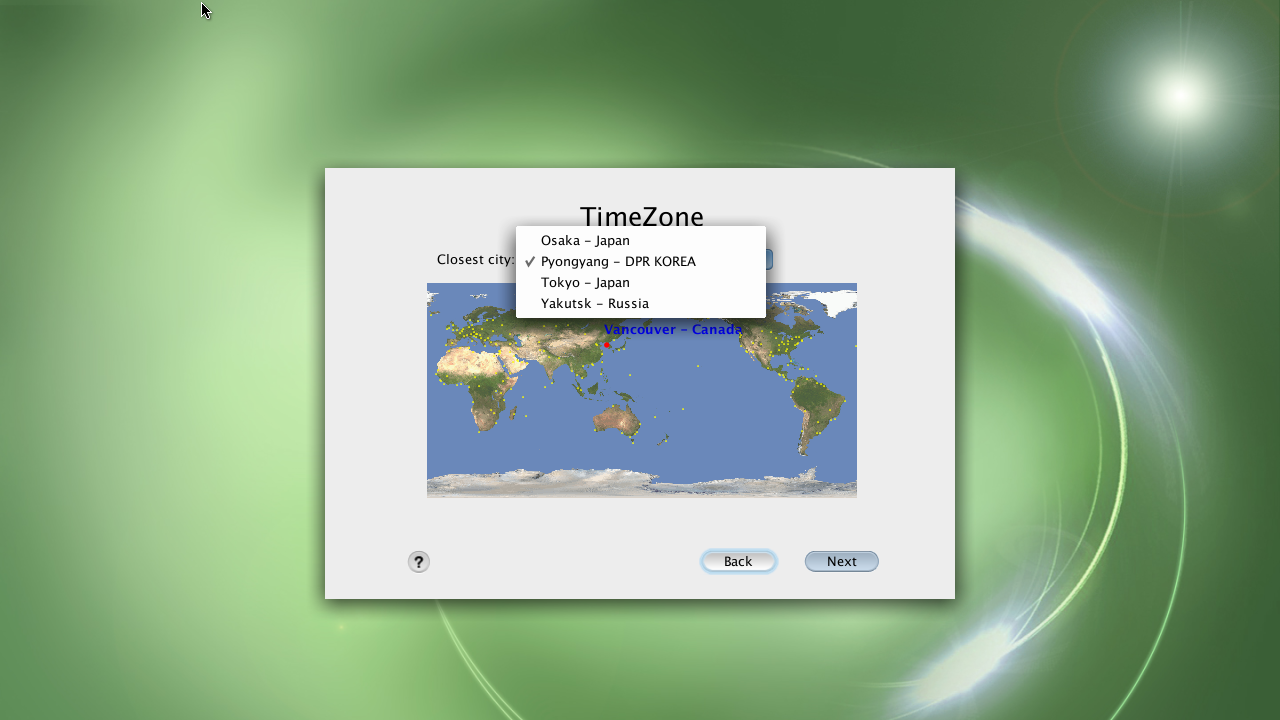
This time? A little easier. Installation proceeded smoothly using Virtual Machine Manager. Alarmingly easy, really. The VM booted from the .iso, the installer ran fine—presenting me with three possible timezones to choose from in the DPRK, Japan, or Russia—and the VM seamlessly rebooted into a full RedStar OS session. Briefly.
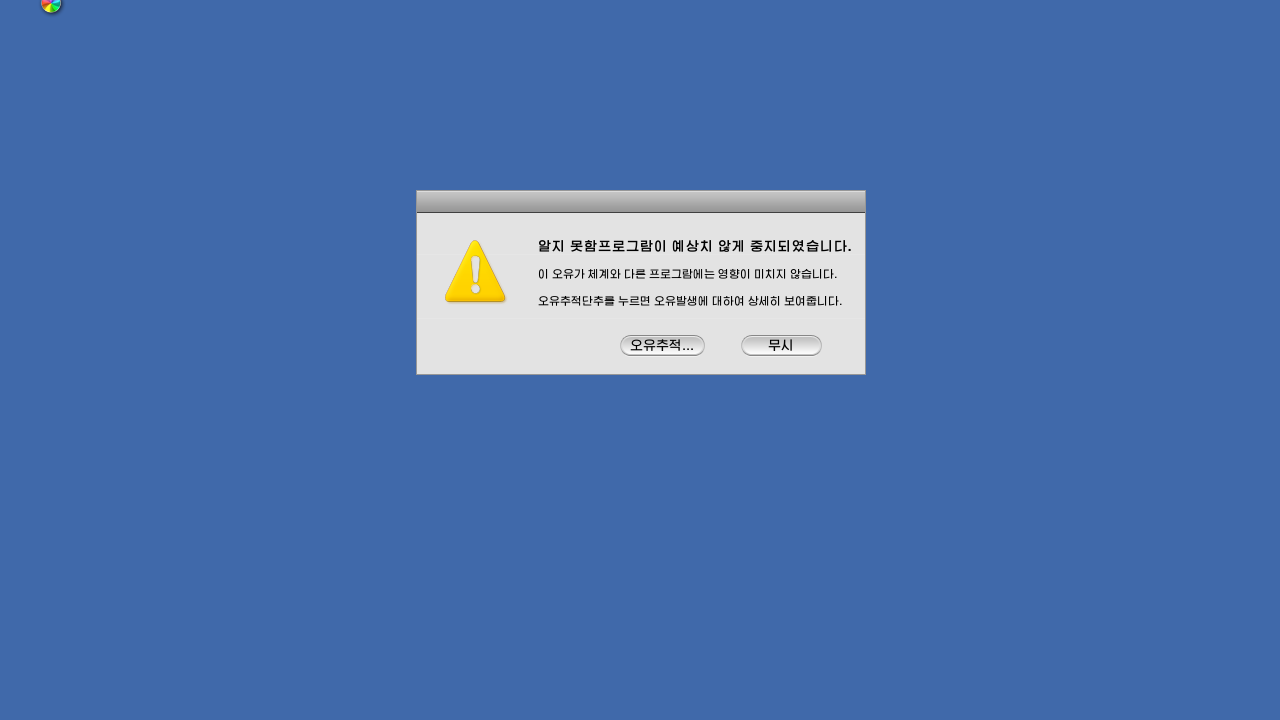
Issue one: I could not login. I really wanted to login. I’d set up a user account during the install process and everything. But during the boot process RedStar would, invariably, crash as soon as it got to its login manager, glitching out into a green/blue mess that did little except remind me of the proud nation of Sierra Leone.
But it’s fine, right? I’m a Linux guy now. If the GUI login manager was crashing, I knew I could probably force the machine to kick me to the tty—the purest form of the command line, completely free of modern graphical nonsense—by holding Shift, Alt, and randomly pawing at function keys.
This… worked? This worked! RedStar booted me to the CLI like it had never even heard of a graphical user interface. Then, uh… then what? What was the plan from there, Josh?

It wasn’t completely stupid. My original plan was to login via the tty then get back into the graphical desktop environment—basically taking a detour around the suicidal login manager—using the ‘startx’ command. Except that didn’t work. Startx told me in no uncertain terms that I could sod off with that sort of low trickery, leaving me logged in but graphics-less.
This was a problem because I was not, at this point, actually using RedStar OS’s modified version. The modifications that hack out the spyware run after you successfully login the first time, meaning I was A) not even as far as I managed to get back in 2022 and B) potentially faxing the entire contents of my SSD to an office in Pyongyang.
I was A) not even as far as I managed to get back in 2022 and B) potentially faxing the entire contents of my SSD to an office in Pyongyang.
RedStar OS has a documented feature of rapaciously watermarking media files that are in any way exposed to it—documents, images, audio and the like The reason for this, presumably, is to easily trace media within the DPRK itself. If someone has media they shouldn’t have, you can trace it to the machine that originally produced it, and possibly any other machines it touched along the way.
Which, hey, my computer already has the eyes of my own government and probably yours (if you are from the US) on it, so the notion of the Kim family knowing I have an .mkv of War and Peace in my Downloads folder doesn’t concern me overmuch. Maybe you can put so much spyware on your machine that they all get in each other’s way, like the diseases in Mr Burns’ body.
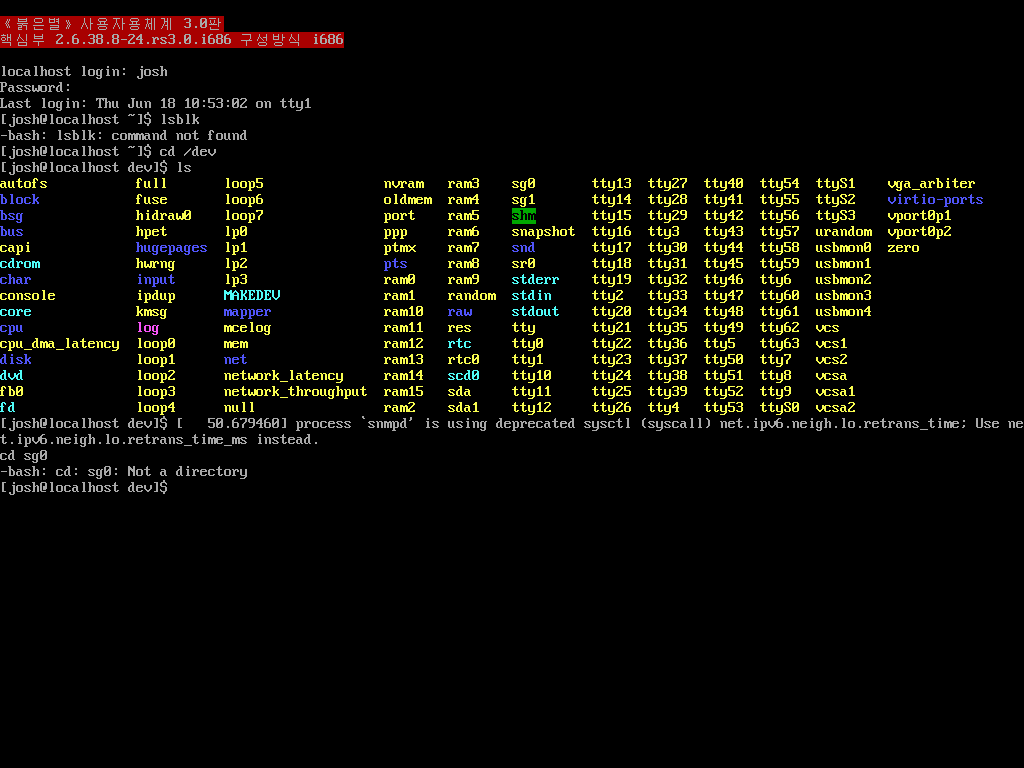
But it didn’t thrill me, either, and I was anyway eager to see what a modified RedStar ran like, regardless of whether the unmodified version was stitching a Josh Wolens nametag into my Steam version of Desperados. This led me on quite a long and winding road which concluded with me attempting to hack myself root access in the CLI before I realised I had comprehensively lost my mind.
I turned to the official RedStar OS 3.5 Discord, where after some searching I found out that my problem was the QEMU-based virtualisation of my VM software, upon encountering which it seems RedStar’s login manager immediately executes itself.
I tried again, this time with VirtualBox.
Into the fire
The good news: it worked! Whatever Ellison-based blood magic Oracle injected into its VM software made RedStar’s login software very happy, and it was a mere jiffy before I was sat happily in the glow of its familiar green desktop.
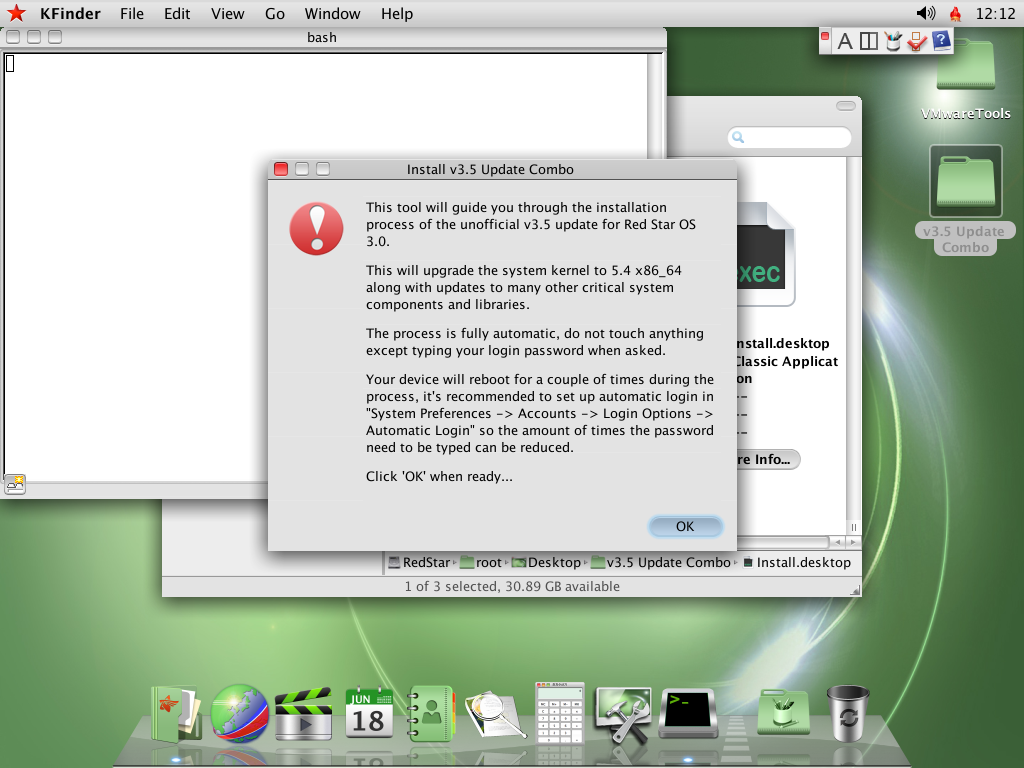
The bad news: it worked! My travails with RedStar did not end after the login screen. Mercifully, the first stage of the 3.5 modifications—the ones that strip out the spyware and grant you the root access necessary to start getting real weird with the system—kicked off faultlessly. The 3.5 iso is, on top of being the installation media for base RedStar 3.0, also the host for the mod files, and all you have to do to make them work is disconnect and reconnect your VM’s disc drive.
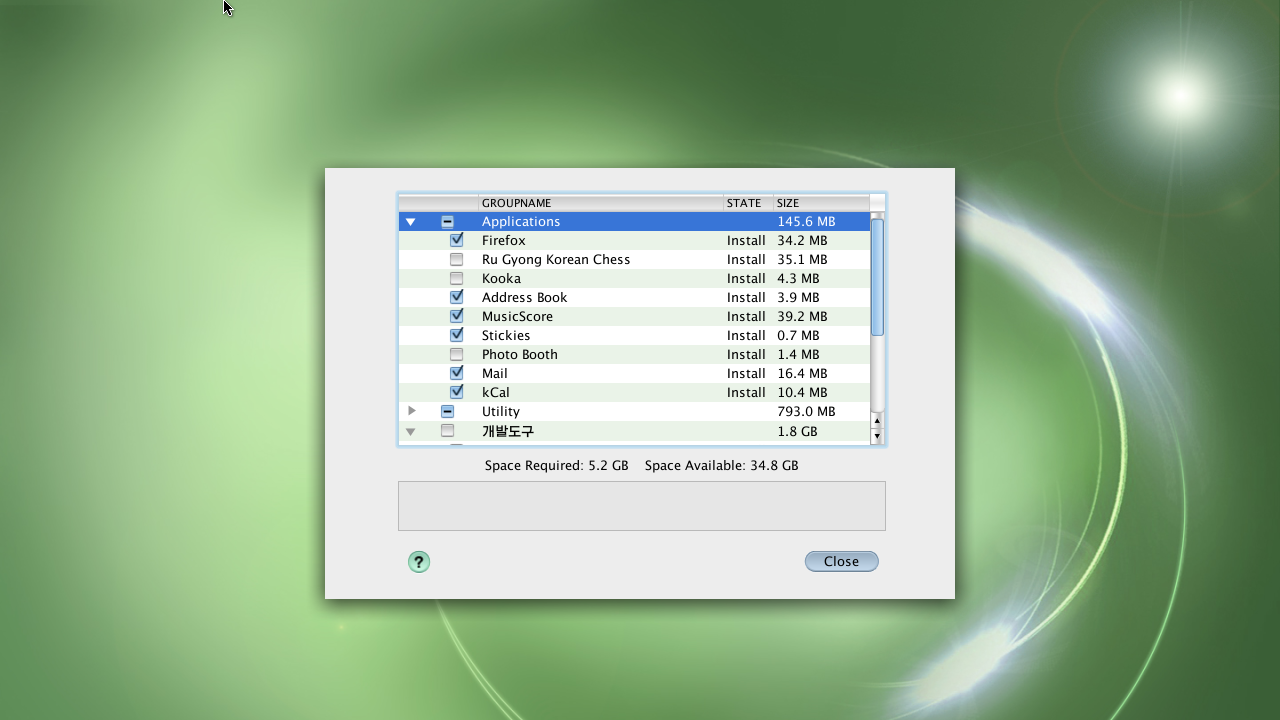
But the second stage? Harder. This is the one that’s meant to comprehensively remodel the OS, adding in the 64-bit kernel and libraries that might, possibly, have made my quest to play a game on the damn thing a little bit easier.
I tried. I really did. The second-stage mods take a long time—we’re talking hours, and the three separate times I tried to get them working (which probably cost me six hours, all told) all crashed at the same point, leaving me with a spyware-free but still deeply archaic OS.
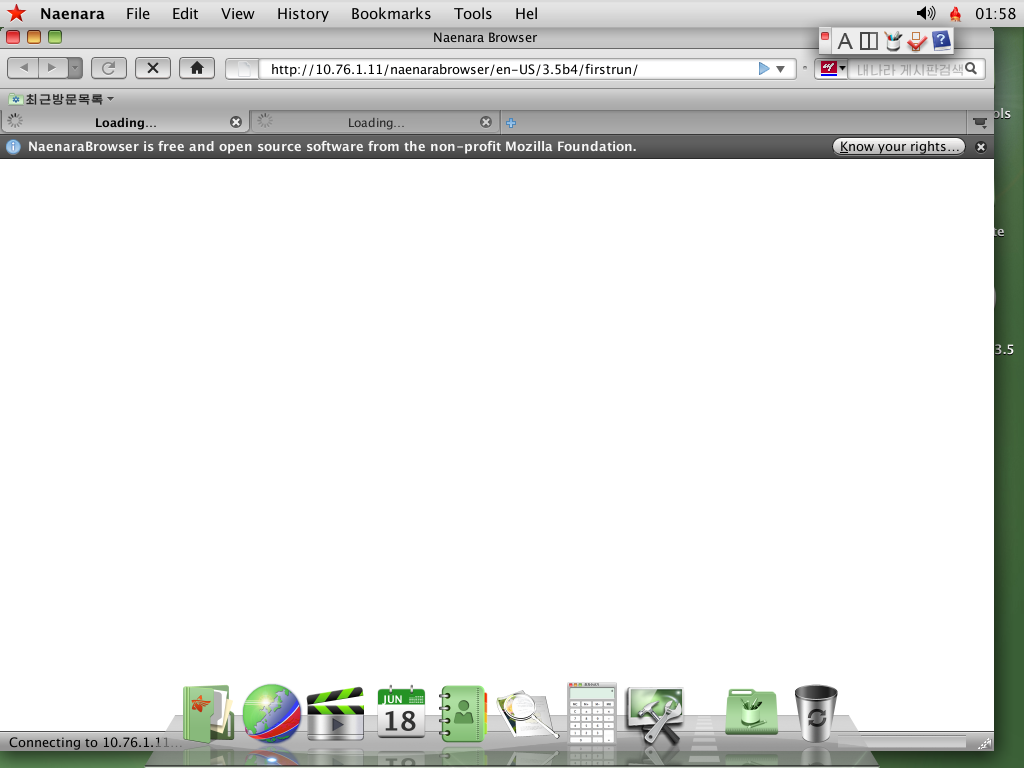
Making matters harder is the fact that RedStar essentially can’t connect to the 2026 internet. In its default form, it’s designed exclusively to work with the DPRK’s nationwide intranet, the Kwangmyong, and trying to point it at addresses outside of that confuses the hell out of it. An advantage of the first-stage 3.5 mods is that they automatically scrub its usual IP tables, making it able to chat to the global internet.
But it can only do that via certain internet-facing terminal commands (like ‘wget’) and its built-in Naenara—Korean for ‘our country’—browser, which is based on an ancient version of Firefox. Do you want to use Google? Buddy, you’re in luck, because that’s the only website that Naenara can load in 2026. Anything else throws an error.
My aged and inert OS was at least in English, thanks to the mods, but it was otherwise dead in the water. Even the built-in yum package manager—which I could perhaps have used to install extra stuff to grease my way to playable videogames—only spoke to a single, very limited software repository, which was in Korean, strangely enough.

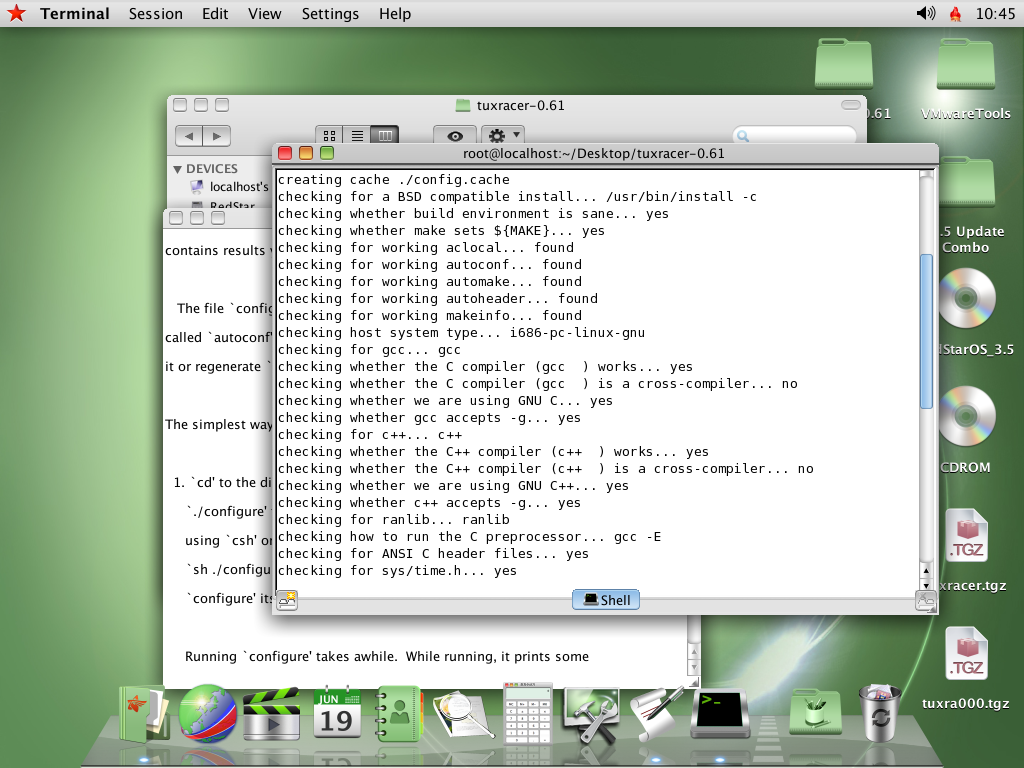
I still made a valiant effort. I downloaded an ancient version of Tux Racer, wrote its files to an .iso, and loaded into my RedStar VM, but the damn thing’s Makefile—which should have prepped a playable version of the game—refused to play ball, even after I installed a thick wedge of new libraries with yum (not entirely sure where those even came from, I must admit, and prefer not to think about it).
All I was left with was RedStar’s default library of apps: a songbook/music notation program, a reskin of GIMP called Hwansang, and various others, including a version of Korean chess, which is the closest I got to running games on this thing.
Things got bad enough that I even turned to Google Gemini—I know, I know—to see if a data centre the size of Houston could help me out. The data centre the size of Houston could not, and seemed to have remarkably little data on running videogames on North Korean operating systems. So much for the future.
Without a break
My attempts to finagle RedStar 3.5 into working ended as a damp squib, I’m sorry to say, and as much I’d like to conclude this piece with something climactic. I am deeply, profoundly in love with the idea of a version of RedStar OS that has been aggressively retrofitted to more-or-less function on modern machines, and I will be keeping my eye on the RedStar OS 3.5 project as it goes on. Come hell or high water, we’re gonna get The Witcher 3 running on this thing somehow.
As for its current version? Well, I think Linux is good enough to replace Windows now, but against all expectations I do not think a 2011 version of North Korea’s domestic OS is the version of Linux to do it. I’ll say this, though: back in 2022, my struggles with RedStar were as much due to my own unfamiliarity with Linux as they were due to the peccadilloes of the operating system itself.
Today, I’m pretty comfortable saying that absolutely nothing is my fault. In general, but also as regards RedStar. I’ve come a long way since 2022, and Linux has come a long way since 2011. It might have eaten an entire day of my life, but I’m glad RedStar reminded me of that.

2026 games: All the upcoming games
Best PC games: Our all-time favorites
Free PC games: Freebie fest
Best FPS games: Finest gunplay
Best RPGs: Grand adventures
Best co-op games: Better together
About Author