
Is it just me, or does it feel like everything is just about to spiral out of control with this AI-memory-boom-chatbot-slop-crisis thing? We already know that memory prices have gone bananas and that the crisis is complicating the production of all kinds of computing-adjacent devices. Now the CEO of memory specialist Phison is reported to be claiming that the situation is going to drive some makers of consumer electronics to the wall. Many will go bust by the end of 2026.
In an X post, user 駿HaYaO has précised an interview with Phison CEO Pua Khein-Seng. You can catch the entire interview on YouTube. However, the discussion is in Chinese and there are no English subtitles available.
《獨家專訪 #群聯 #Phison 執行長潘健成》核心結論1. 記憶體供需嚴重失衡將持續到2030年AI為剛需,DRAM與NAND Flash極度缺貨。原廠要求預付3年貨款(電子業史無前例),賣方市場空前強勢。原廠內部預估缺到2030年,甚至10年不見盡頭。2. 消費電子將大量死亡… https://t.co/FvVnb8tT2IFebruary 14, 2026
To that extent, we cannot confirm Khein-Seng words verbatim. However the salient translated summary of what he said according to 駿HaYaO goes like this:
“Consumer electronics will see a large number of failures. From the end of this year to 2026, many system vendors will go bankrupt or exit product lines due to a lack of memory. Mobile phone production will be reduced by 200-250 million units, and PC and TV production will be significantly reduced.” Yikes.
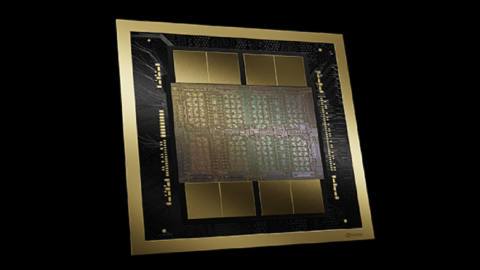
Pua Khein-Seng is also said to have pointed out the implications of Nvidia’s next-gen Rubin AI GPUs coming online. “If NVIDIA’s Vera Rubin ships tens of millions of units, each requiring over 20TB of SSD, it will consume approximately 20% of last year’s global NAND production capacity (excluding subsequent data storage),” is how 駿HaYaO summarises Pua Khein-Seng’s comments.
Pua Khein-Seng is further said to have highlighted that memory manufacturers are now “demanding three years’ worth of prepayment (unprecedented in the electronics industry)” and that those same manufacturers “internally estimate the shortage will last until 2030, or even for another 10 years.”
駿HaYaO concludes with some analysis of Pua Khein-Seng’s comments, observing, as we also have, that the outlook for memory production capacity is grim.
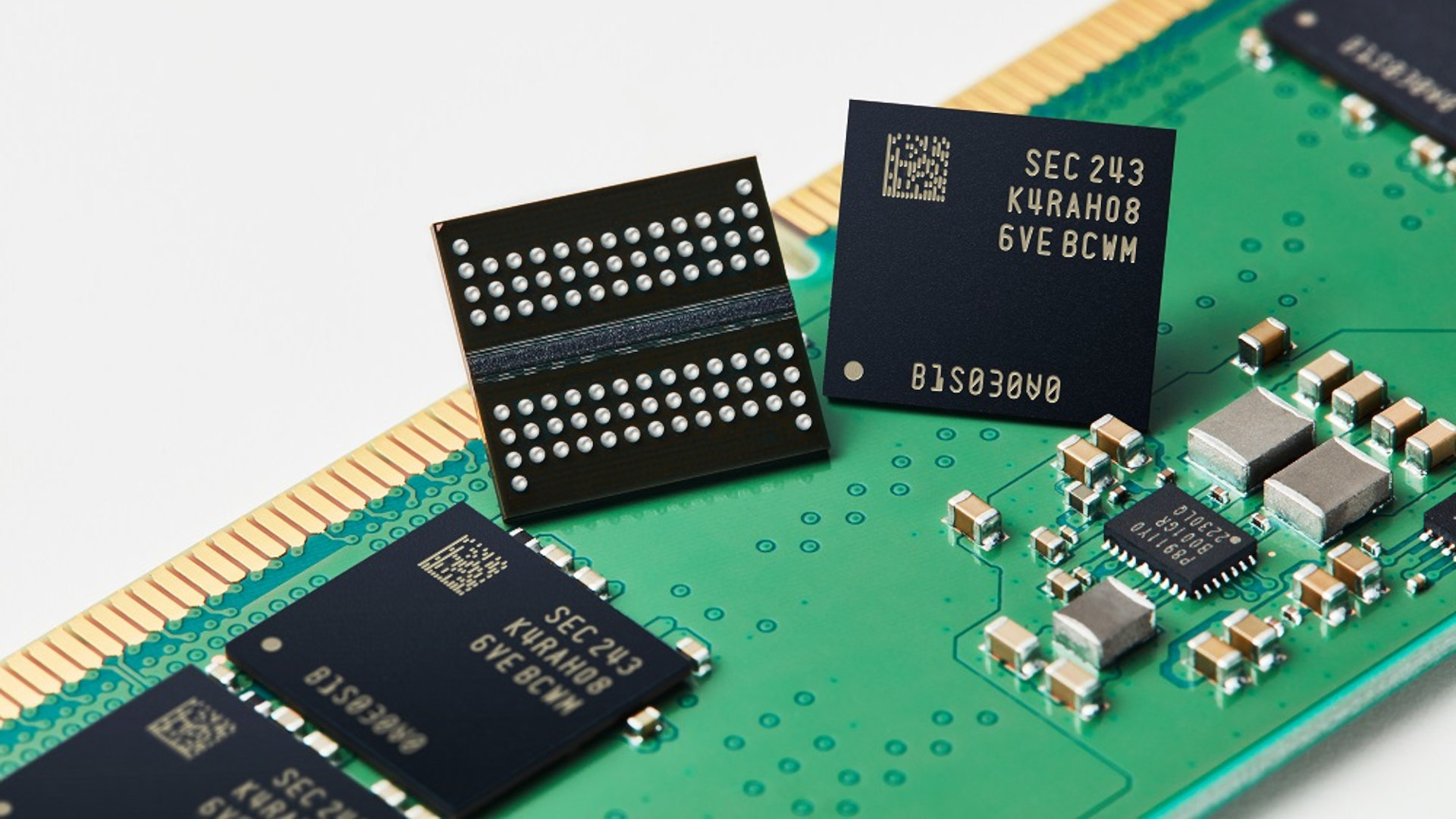
“Samsung, Micron, SK Hynix, Kioxia, Yangtze Memory and other companies have invested, but it takes at least 2 years from announcement to production, and the equipment is in high demand. China’s contribution is limited: the new capacity will only account for 3-5% of the global total in the initial stage, which is not enough to fill the 10-20% gap; China’s domestic demand is huge, so there will be no outflow of cheap goods.”
駿HaYaO also implies that one of the possible upsides to all this is sustainability. “Product lifespan is extended, and products are repaired instead of being discarded when they break,” the X user says.
The slight problem with that idea is that, if anything, production of electronics is increasing. It’s just that the ratio of output is shifting away from consumer devices like phones or PCs towards commercial devices like servers and AI GPUs. It would take some serious sophistry to explain how reducing the number of phones or laptops being made and replacing them with 1,400 W Nvidia B300 GPUs was an obvious environmental play, that’s for sure.
About Author