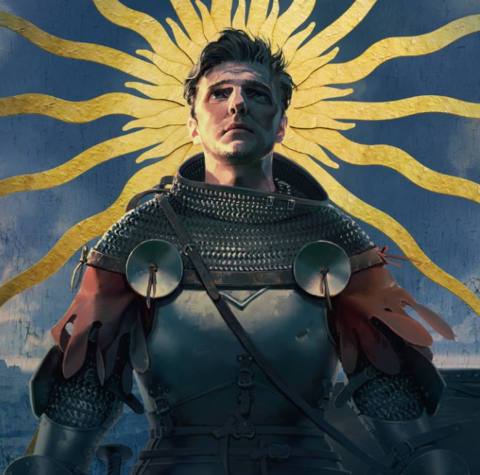
Csaba “ForestWare” Székely’s Sword Hero is one of the most exciting upcoming games: An ambitious, open-ended RPG with complex NPC behaviors, physics interactions, and emergent gameplay—the Hungarian developer affectionately referred to it as a “eurojank” game, a label applied to ambitious, but often flawed attempts by European developers to replicate or advance ’90s PC design sensibilities.
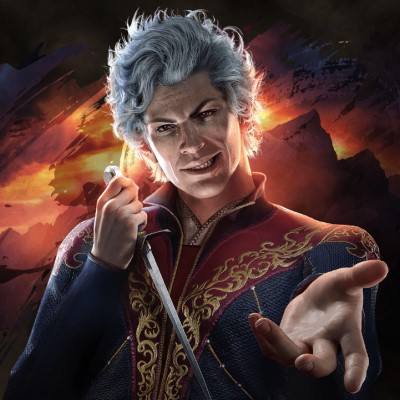
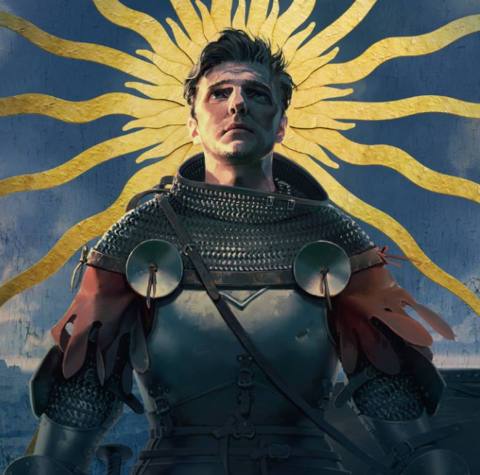
Despite its slightly derogatory connotation, I’ve had this growing feeling that eurojank has won. Larian, CD Projekt, IO Interactive, and GSC Game World are just a few outfits that were second-tier studios putting out cult classics in the 2000s, and now they’re on top of the industry while many titans of the PS2 and Xbox 360 generations are struggling.
Imagine telling someone in 2007 that, in the coming decades, Mass Effect studio BioWare would slowly fade, while RPGs would come to be defined by the makers of Divine Divinity, or the company that adapted a Polish fantasy novel series into a weird, cult RPG. I asked ForestWare what he thinks of the recent resurgence of complex, systemic single-player games vs. ones with shinier production values and tighter presentation.
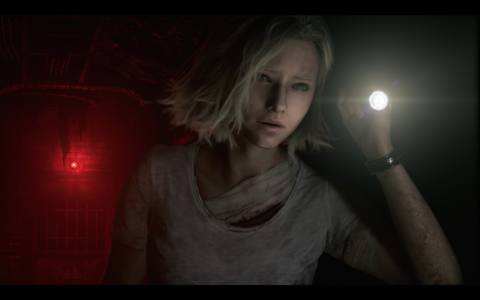
“Increasingly, more [games] had resources moved towards [fidelity and texture resolution], and we lost things such as physics in games—[Nvidia] PhysX is probably the best example here,” argued ForestWare. “We had so many cool games which were flaunting these interactions. I always think back to Mirrors Edge as one of the last very big, very rich showcases of PhysX back at the time. Slowly, they moved this to the back seat, and we got these very nice, very detailed scenes [instead].
“But you can’t interact with it, so it’s just sort of moving around in a static 3D environment which happens to have collision. And you’re lucky if you have a bullet hole when you shoot a wall, for example, and things like that. It looks very nice in screenshots and trailers and whatnot, and I understand that nowadays this is very important. But people have been craving this sort of experience, which was offered by Larian and CD Projekt, which were moving the scale a bit back to these more interactive experiences.”
That frustration with detailed but inert game environments is one I’ve felt acutely playing the latest generation of cinematic, triple-A console action games—there’s almost an uncanny valley effect to the environments looking so realistic, but not allowing for granular interaction.
There’s this stiff, slick feeling I get when playing such a game, never helped that screeching halt sense of a scripted environmental interaction: The camera zooms in while your character picks something up, all “Huh, my old catcher’s mitt, haven’t felt like playing much since dad died.”
I’ve always preferred games like The Elder Scrolls, Baldur’s Gate 3, or yes, the upcoming Sword Hero where you could just pick up that catcher’s mitt and wing it across the room if you wanted to, maybe read about your dad dying in the item description if you’re so inclined. I find that interactivity to be incredibly immersive, and it’s a big part of why I’m so excited for Sword Hero.
The open world RPG has blown past its initial Kickstarter goals, but is still fundraising for added features and content. I was blown away by Sword Hero’s combat demo, and you can also read the rest of my interview with ForestWare, where he talks about planned features, as well as his experience as a largely solo developer. You can try Sword Hero’s demo for yourself and wishlist the game over on Steam.
2026 games: All the upcoming games
Best PC games: Our all-time favorites
Free PC games: Freebie fest
Best FPS games: Finest gunplay
Best RPGs: Grand adventures
Best co-op games: Better together
About Author