
Meta’s Ray-Ban AI smart glasses have been at the center of many privacy concerns since their release, particularly as the data the glasses are capable of capturing can be sent back to Meta for training purposes.
In a joint report, Swedish newspapers Svenska Dagbladet and Göteborgs-Posten spoke to workers of Sama, a Kenya-based subcontractor that is claimed to provide human-led data annotation for video and audio captured by the Ray-Ban Meta glasses (via Ars Technica).
According to the authors, several of the workers they spoke to reported seeing extremely private footage, and that wearers of the glasses may be unaware their private lives are being recorded for human review.
“We see everything—from living rooms to naked bodies. Meta has that type of content in its databases”, said one of the workers. “Someone may have been walking around with the glasses, or happened to be wearing them, and then the person’s partner was in the bathroom, or they had just come out naked.
“People can record themselves in the wrong way and not even know what they are recording. They are real people like you and me.”

When asked if the employee felt like they were looking straight into other people’s private lives, they said: “When you see these videos, it feels that way. But since it is a job, you have to do it. You understand that it is someone’s private life you are looking at, but at the same time you are just expected to carry out the work.
“You are not supposed to question it. If you start asking questions, you are gone.”
It’s not just video footage that sub-contractors are said to be expected to review. The microphones used to record voice requests also send transcriptions back for processing and training purposes.
“It can be about any topics at all”, the employee continued. “We see chats where someone talks about crimes or protests. It is not just greetings, it can be very dark things as well.”
Speaking to the BBC, Meta said that subcontracted workers might sometimes review content for the purpose of improving “the experience”, and provided a link to its Supplemental Meta Platforms Technologies Terms of Service agreement.
The policy states that photos and videos taken with the glasses are sent to Meta when cloud processing is turned on, and that you can “change your choices about cloud processing of your media at any time in [the] settings”.
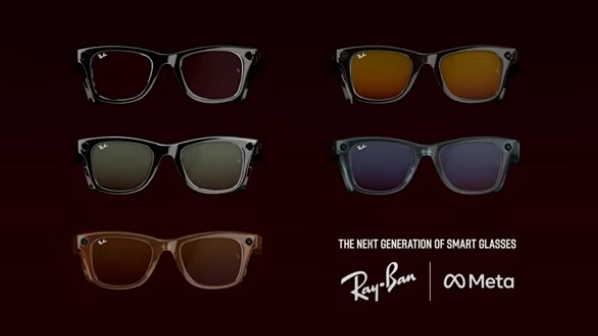
Since the publication of the report, a new class action lawsuit has been filed against the company in the United States, alleging that Meta violated privacy laws and engaged in false advertising with its slogans.
“No reasonable consumer would understand ‘designed for privacy, controlled by you’ and similar promises like ‘built for your privacy’ to mean that deeply personal footage from inside their homes would be viewed and catalogued by human workers overseas.
“Meta chose to make privacy the centerpiece of its pervasive marketing campaign while concealing the facts that reveal those promises to be false”, the complaint alleges.
In a statement to Techcrunch, a Meta spokesperson said: “Ray-Ban Meta glasses help you use AI, hands-free, to answer questions about the world around you. Unless users choose to share media they’ve captured with Meta or others, that media stays on the user’s device.
“When people share content with Meta AI, we sometimes use contractors to review this data for the purpose of improving people’s experience, as many other companies do. We take steps to filter this data to protect people’s privacy and to help prevent identifying information from being reviewed.”
About Author