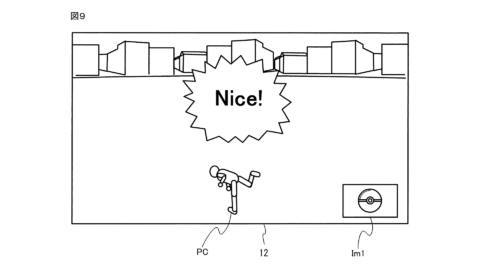
Amidst its ongoing Japanese patent lawsuit against Palworld developer Pocketpair, Nintendo thoroughly stirred the legal pot on this side of the Pacific when news broke in September 2025 that the United States Patent and Trademark Office had granted the publisher US patent 12,403,397—a patent describing a system for battling summoned characters.
Despite concerns about how such patents could be weaponized, the USPTO approved the ‘397 patent with shockingly little pushback, drawing outcry from both players and legal experts—experts like videogame patent lawyer Kirk Sigmon, who called the patent’s approval “an embarrassing failure of the US patent system.” The USPTO now seems to agree, as it issued a nonfinal decision last week rejecting all of the ‘397 patent’s claims, effectively declaring its intent to revoke the patent (via GamesFray). Nintendo will, however, be able to argue against the decision.
Before I continue, we should clarify the scope of Nintendo’s ‘397 patent, which has been a common source of confusion. To be clear: Nintendo did not apply for and does not possess a patent on the general concept of battling summoned monsters. Patents are intended to protect original, unique inventions that would be non-obvious for practitioners of the associated art. In other words, an invention isn’t patentable if it’s overly broad or similar to existing works.
Even Nintendo’s terrifying legal apparatus can’t obtain a patent on an idea as broad as battling summoned characters. The concept of commanding creatures to fight would have been as unpatentable when Pokémon first released in 1996 as it is today, because patents don’t protect concepts themselves. They protect clearly defined processes, designs, and applications. To meet that criteria, videogame patents like Nintendo’s ‘397 patent are—by necessity—limited in scope to extremely specific mechanical implementations.
In Nintendo’s case, its ‘397 patent claims the invention of a unique, hyperspecific system of sub-character battling mechanics: one in which a movable player character can be directed with an input to summon a sub-character at a designated location, where it will either enter a battle mode if an enemy character is present or begin automatic movement, during which the player can perform a second input to cause the sub-character to move to another designated location where, if an enemy character is present, the sub-character will enter and complete an automated battle.
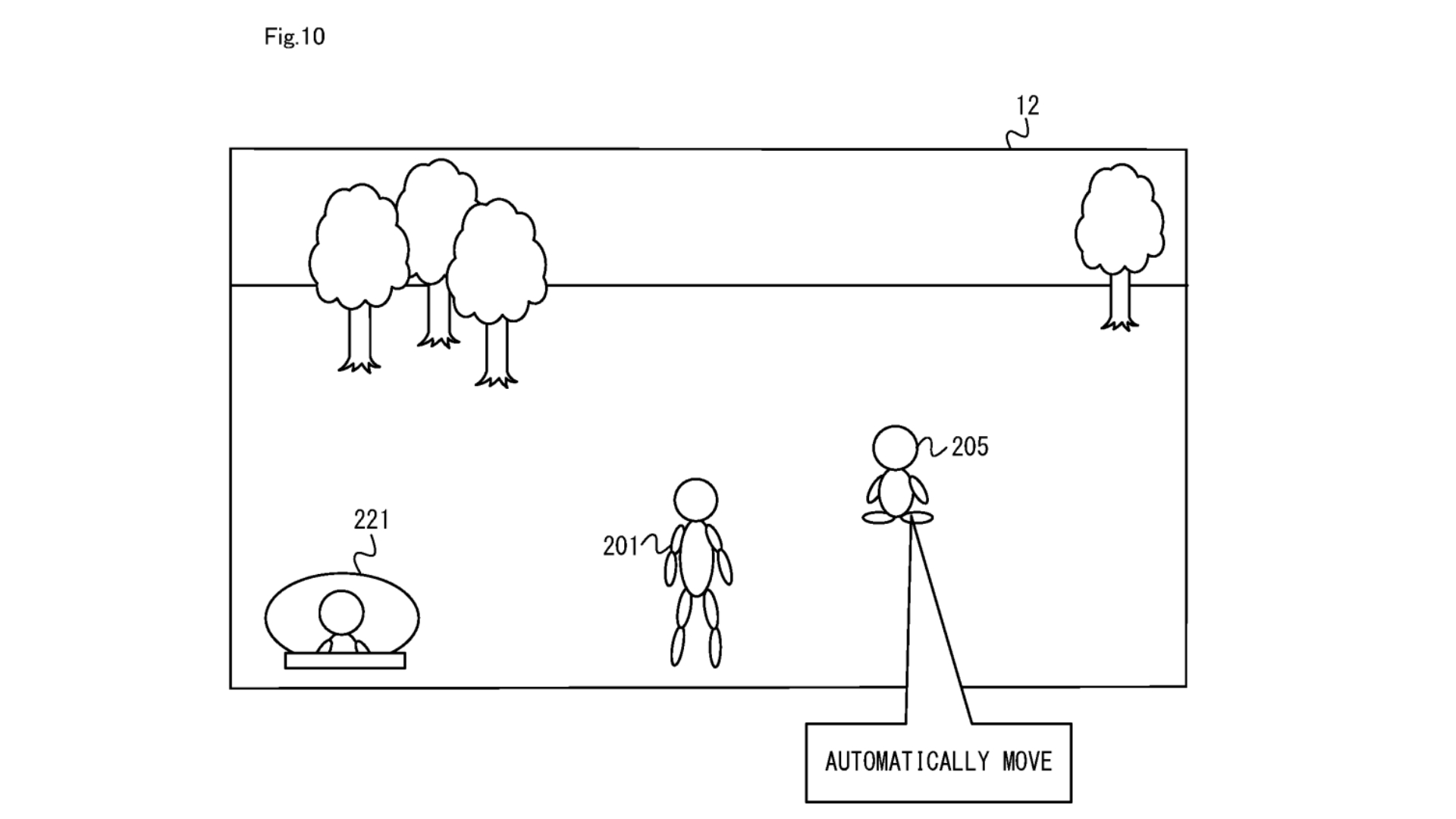
And that’s just how the claims are summarized in the patent abstract; they get even more granular. But as specific as those claims are, USPTO examiners are now saying the patent shouldn’t have been granted in the first place.
Just weeks after Nintendo was granted the ‘397 patent, USPTO Director John A. Squires issued an order for an ex parte reexamination (EPR) of the patent, meaning a USPTO examiner would reevaluate whether the patent should have been granted to begin with. It was a noteworthy order, because unlike most EPRs that are initiated in response to requests from external parties, the ‘397 patent’s reexamination was ordered under the USPTO Director’s own initiative, indicating the case was now the subject of intensive USPTO scrutiny. (Better late than never, I suppose.)
After reevaluating Nintendo’s claims in comparison with preexisting patents and videogames, the USPTO examiner’s decision rejected all 26 of the ‘397 patent’s claims, concluding that they bear too many similarities to prior art for the system they describe to be considered patentably non-obvious.
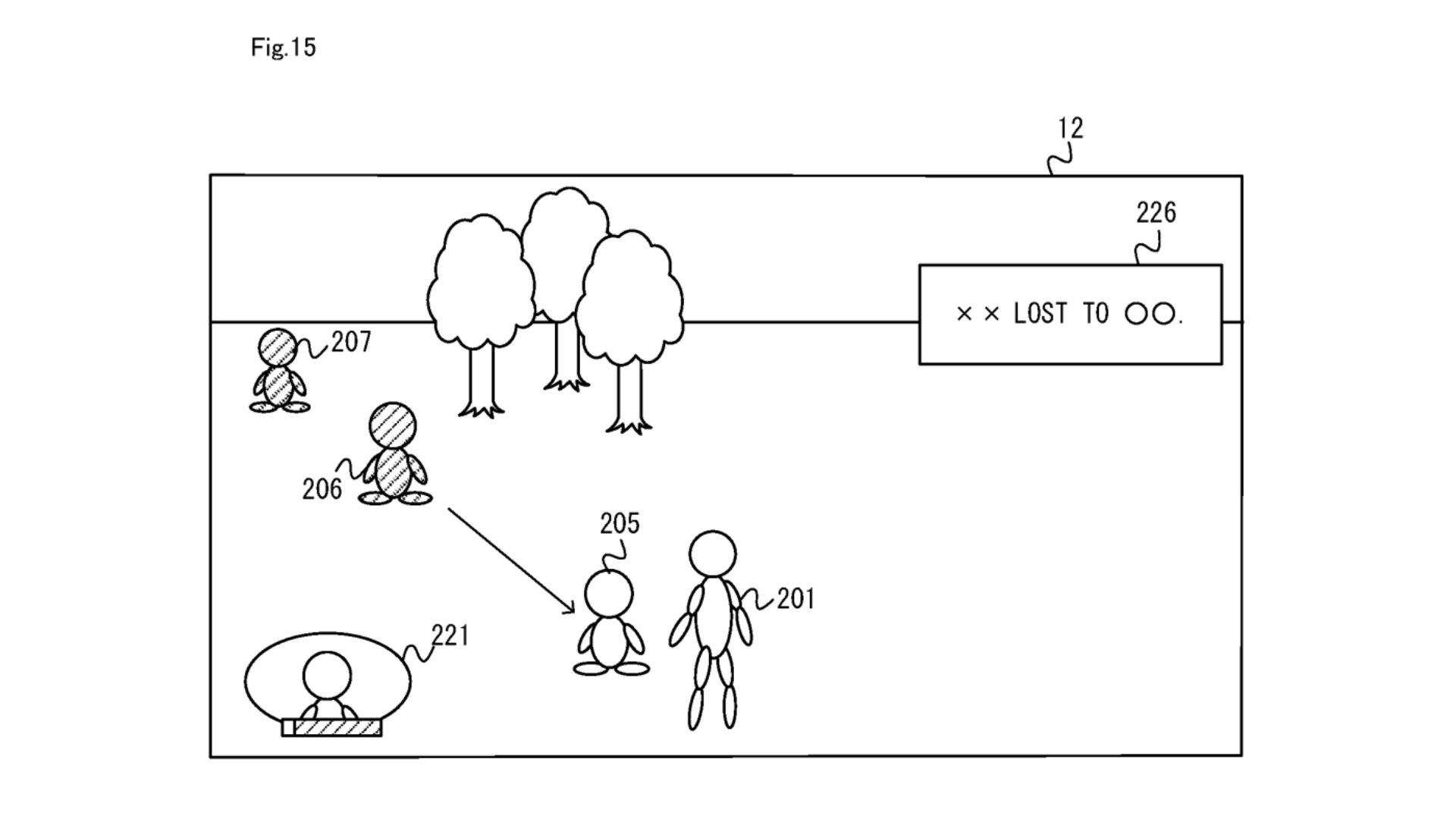
While the list of references cited in the examiner’s decision delightfully includes both World of Warcraft fan wiki pages and Reddit threads about RPG autobattle mechanics, the USPTO’s rejection relies primarily on a set of four preexisting videogame patent applications describing systems resembling those in the ‘397 patent. One of those patent applications was filed by Konami, another by Bandai Namco; the remaining two, however, are Nintendo’s own prior patent applications, one of which features in all 26 arguments the examiner constructed to reject each of the ‘397 patent’s claims.
As a US authority, the USPTO’s decision has no direct bearing on Nintendo’s Japanese patents or its ongoing Palworld lawsuit. Additionally, the USPTO’s decision is nonfinal, and Nintendo has two months to respond with its own counterargument—a timeframe that can be extended at Nintendo’s request—before the USPTO issues its final decision.
And even if the USPTO ultimately decides to revoke the ‘397 patent, Nintendo can pursue an appeal with the Federal Circuit. As should be clear by now, quick resolutions aren’t often compatible with patent law.

2026 games: All the upcoming games
Best PC games: Our all-time favorites
Free PC games: Freebie fest
Best FPS games: Finest gunplay
Best RPGs: Grand adventures
Best co-op games: Better together
About Author