Welcome to Dungeon Master, PC Gamer’s regular RPG column, where Online Editor Fraser Brown (and guests) delves into PC gaming’s most beloved and enduring genre. Grab a seat in our badly-lit tavern and please ignore the goblin puke.
The journey made by the RPG genre over the last few decades is yet more evidence that time is cyclical. In the ’80s and ’90s, exceptional RPGs like Ultima and Baldur’s Gate took the mechanics and player agency of tabletop games like D&D and deftly adapted them for (mostly) singleplayer romps, nestled inside our big, grey desktops.
But as RPGs became big business and tabletop gaming remained stuck as a niche (albeit a substantial niche), the genre was transformed. The isometric CRPGs designed by studios like BioWare, it was decided, were old school. It was time for them to be usurped.
Real-time, action-based combat became the norm, accompanied by cinematic storytelling and only the most epic of stakes. Console audiences became the focus, and even important PC gaming studios started making concessions. And, for a time, we were mostly OK with it.
But tabletop is back, baby! And it has been for a while. The ridiculous popularity of live play tabletop sessions and the increasingly low barrier for entry into game development has filled the sails of this venerable genre with a huge gust. And now, studios big and small are doing fascinating, creative things with their RPGs, and many of them—certainly the best ones—owe a debt to tabletop gaming.
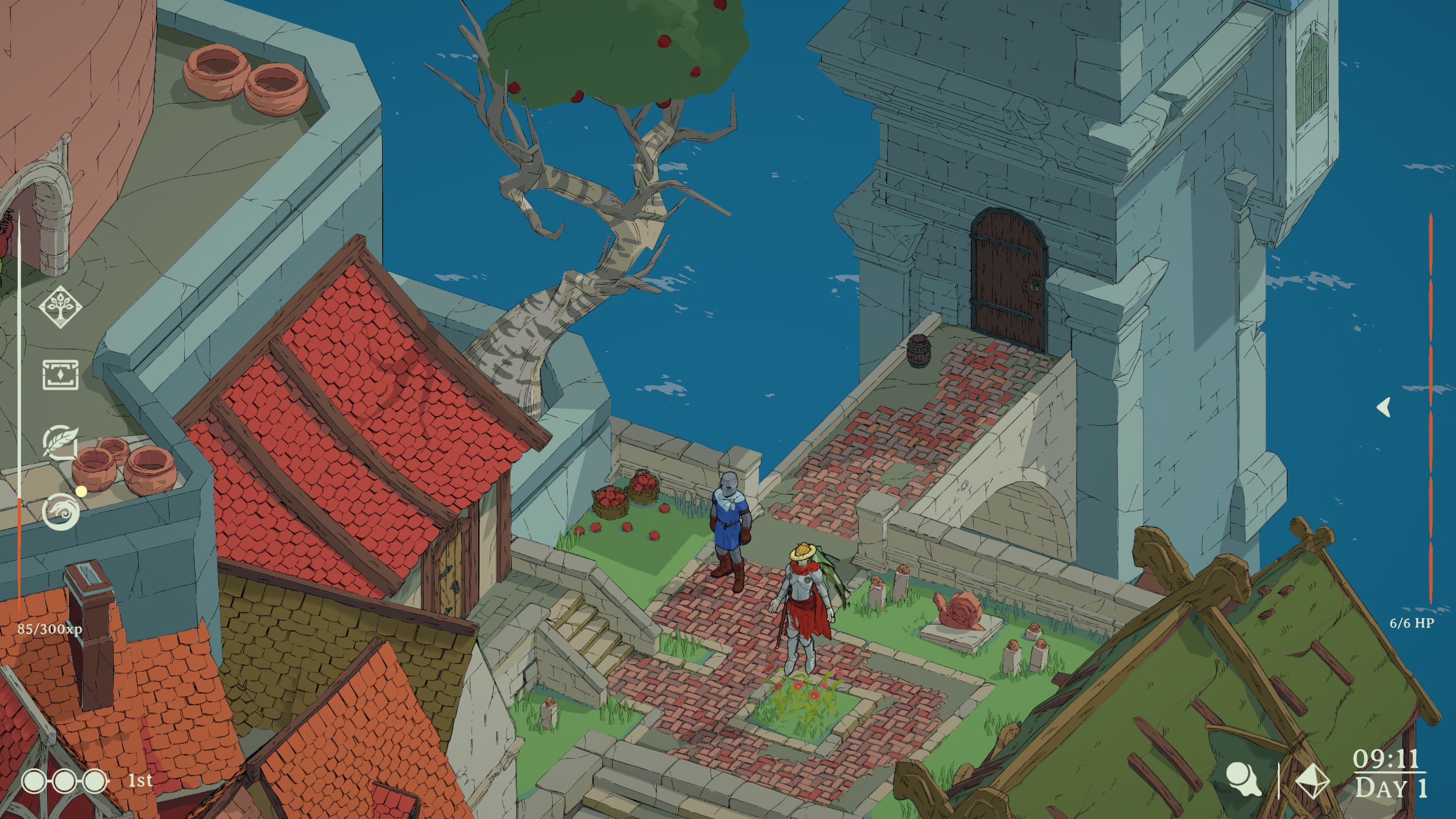
My latest obsession is Esoteric Ebb, a D&D take on Disco Elysium—which itself functions very much like a tabletop game, full of skill checks for even mundane things, like kicking a mailbox, and an absurd degree of player agency. The sheer breadth of options in both these games, and their unparalleled reactivity, make them RPGs in their purest form.
Instead of just being tossed a few choices in regards to how we approach a given scenario—aggressive, sneaky, charming—these RPGs let us properly embody our character, offering up a bounty of possible (and improbable) solutions based on countless factors. If I want to ignore my important quest and instead try to eat my way through a mountain of apples until I throw up, I’m allowed (if discouraged) to do this.
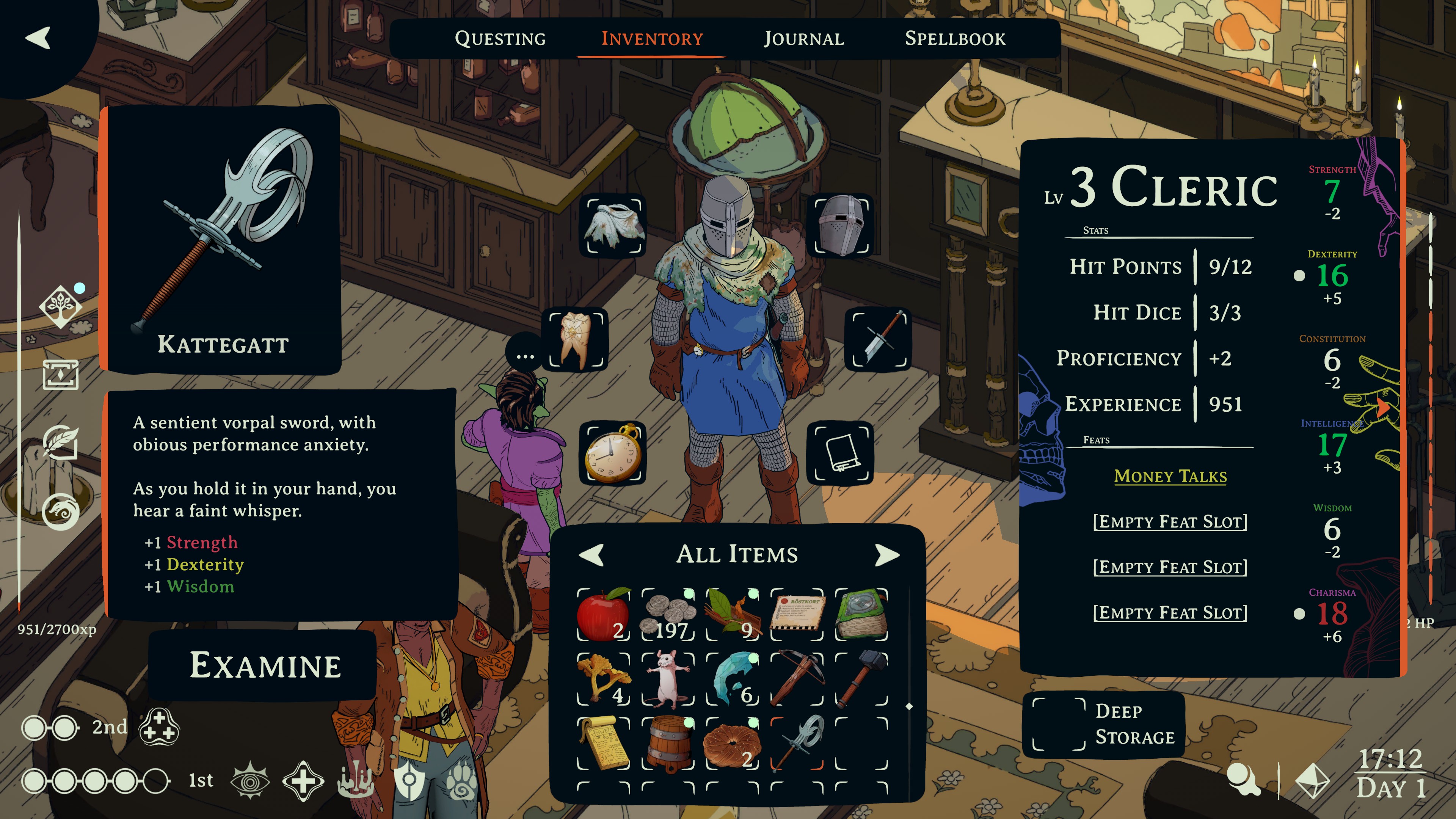
Tabletop campaigns give us a framework to play with, but otherwise these are our stories. We are co-authoring the adventure with a GM. But for so long this was rare in videogame RPGs. There were nods to agency, big choices we had to make, but otherwise we were following a limited script.
Dipping back into the tabletop well has not just dramatically improved RPG storytelling, though; it’s also revitalised combat. I’ll be honest with you: if BioWare gave us a button to skip combat in Dragon Age (except Origins) and Mass Effect, I’d have been hammering it after only a few hours.
It just became this accepted thing: that combat in RPGs was generally not great. Which is utterly insane, given how much there is in the vast majority of them. But RPG combat is awesome again. Well, at least in some instances.
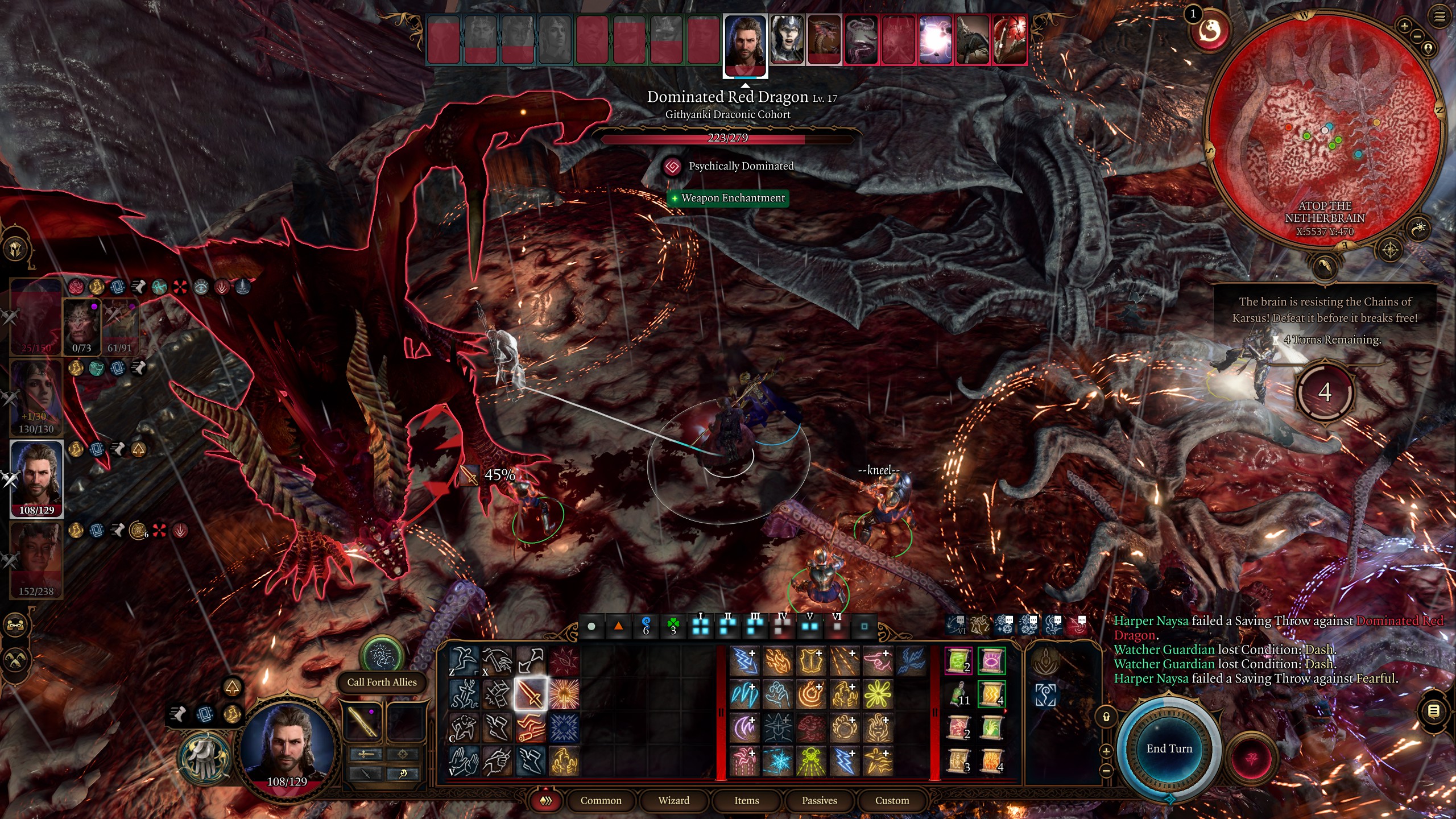
Disco, of course, ignores combat entirely. It’s a purely investigative RPG. But Larian’s unhinged, everything-must-burn brawls in Original Sin and Baldur’s Gate 3 have given us some of the greatest combat scenarios ever crammed inside a game. Larian places player creativity at the forefront of its fights—it gives you a toybox full of spells, skills and abilities, and then just lets you go to town.
My latest Baldur’s Gate 3 playthrough has seen me carve a bloody path across the Sword Coast by simply throwing everything. Every obstacle is merely something waiting to be flung into the air, or at an enemy. When there’s nothing to hand, I’ll just chuck a friend at a goblin and call it a day. It’s incredible.
But Esoteric Ebb shows that you don’t need elaborate, sprawling turn-based fights. Its brawls are brief, text-based affairs, where combat plays out more like a conversation. And it’s the most fun I’ve had getting into scrapes in ages. My first fight was with a zombie. I tried to rob him and he bit my finger. He had to die (again). But I was built for love, not war, so during the scrap I used my charisma to pretend to be its necromancer master, after which I ordered it to punch itself in the head until it was re-dead.
It’s a wonder how I was able to stomach the vanilla fights of the action-RPGs we used to be limited to. You jump in, you hit things, you heal, you fire off some abilities, and then it’s over. I don’t mind this in, say, Diablo, or Path of Exile, where combat is the focus, and buildcrafting rather than roleplaying is where folks get their kicks. But in a story-driven RPG that says it cares about player agency, this absolutely sucks.
Big budget RPGs with limited player agency and flashy action-based combat aren’t going anywhere. But even some of them have been taking notes from tabletop games. Cyberpunk 2077, for instance, exists because of a tabletop RPG, and while it doesn’t offer the breadth of roleplaying opportunities that BG3 does, it does just enough to make it feel like more than just an action game with dialogue options.
For smaller studios in particular, though, this is the way forward. CRPGs designed with the philosophy of tabletop gaming. Games like Esoteric Ebb, Disco Elysium and Citizen Sleeper. Games fuelled by great writing, dice rolls and incredible reactivity. And games, crucially, that don’t need to sell millions of copies just to break even.
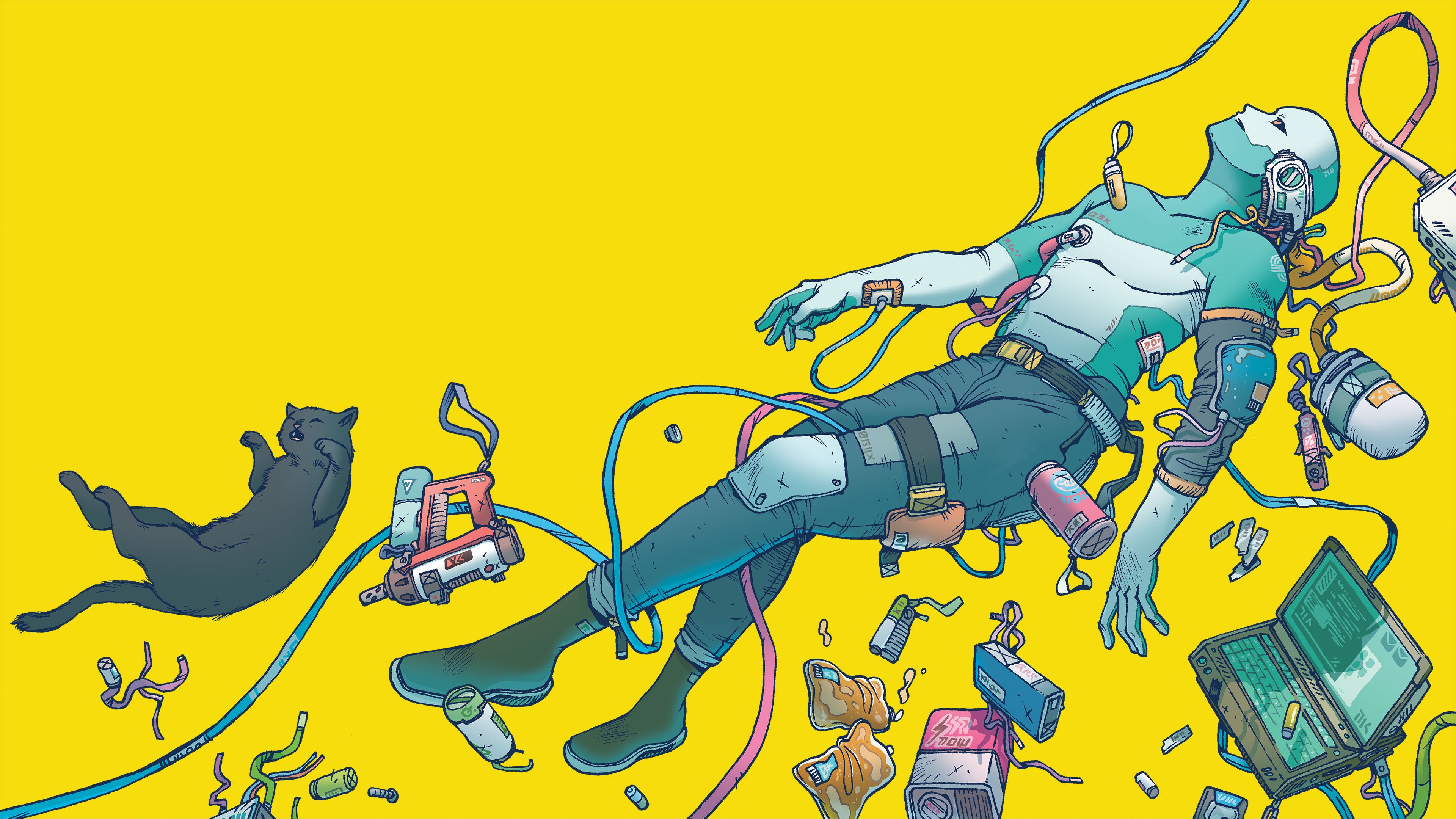
If you want a bit more tabletop in your modern CRPGs, here are some of my faves:
- Disco Elysium
- Divinity: Original Sin 1+2
- Baldur’s Gate 3
- Pillars of Eternity 1+2
- Wasteland 3
- Tyranny
- Torment: Tides of Numenera
- Shadowrun: Dragonfall/Hong Kong
- Esoteric Ebb
- Skald: Against the Black Priory
- Citizen Sleeper 1+2
- World of Horror
- Roadwarden
- Caves of Qud
2026 games: All the upcoming games
Best PC games: Our all-time favorites
Free PC games: Freebie fest
Best FPS games: Finest gunplay
Best RPGs: Grand adventures
Best co-op games: Better together
About Author