
This week I’ve been: Checking out free experiences like indie horror Sato Killing Time Chat.exe and cyberpunk match-three narrative game D14L-ogue.
Before joining the hardware team here, I spent a significant chunk of my early career writing for Official PlayStation Magazine UK—and not even I am excited for the next Sony console.
When I pre-ordered my PS5 back in 2020, I never once considered I was actually getting a good deal at the time. For context, I’m UK-based, and I love my Blu-rays, so I paid £450 for the basic version of the PlayStation 5 with the disc drive back in late 2020. But since then, the PS5 has gone up in price not once, not twice, but three times since launch; if you want to buy the same basic PS5 I have today, it will cost you $650/£570/€650.
That a console, or any ageing hardware really, would get more expensive with this amount of distance from launch is kind of unprecedented. For perspective, the basic PS4 cost $399/£349/€399 back in 2013, and I paid £279 for the 1 TB model in late 2017. With runaway pricing like the PS5’s, it’s hard not to wonder what the point of a console even is anymore.
The memory supply crisis is in part to blame for the PS5’s rising price tag. Sony is apparently considering pushing back the release of the PS6 until 2028 or even 2029 due to ‘rampant AI demand for memory’ according to Bloomberg. While that gives me some time to save my pennies, I doubt I’ll be getting the next PlayStation console on launch day or otherwise.
For a long time, console gaming genuinely seemed like the most cost-effective way for me to play all the games I wanted at decent fidelity. That relative affordability is one reason why I stuck with console gaming for so long, and resisted getting back into PC gaming until relatively recently. That isn’t to say I’m under any illusion that PC gaming is even slightly more affordable; it’s absolutely a point of despair for me that some folks are fully spending much more than $650 on their GPU alone.
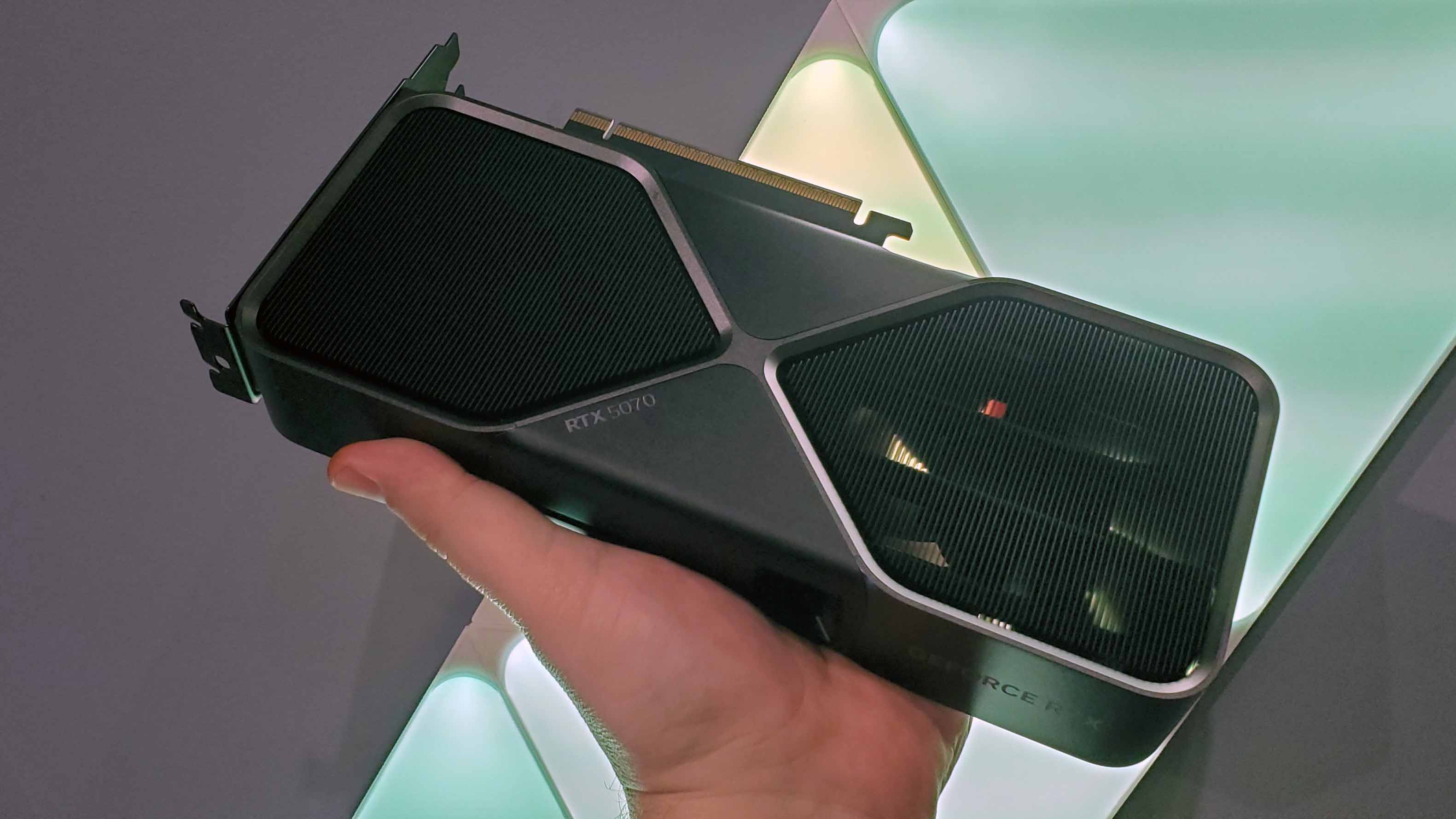
If the PS6 comes out with mouth-watering specs at a price point of, say, $800 or likely more, that may well be the ‘cost-effective’ option for someone who doesn’t already own a gaming PC. Still, now more than perhaps ever before, it feels particularly difficult to justify the expense of such an expensive, separate box for games, plus about $70 for each major release I then want to play on top. At least on a PC, I can answer emails too, I guess? Gaming has always been an expensive hobby—and that’s true now more than ever—but even on a severely underpowered PC, there’s still a wealth of games to enjoy.
A significant drawback on going all-in on PC is cutting myself off from PlayStation-exclusive games, as Sony has recently backpedalled from bringing headliner acts like Ghost of Yōtei to PC. It’s not hard to understand the reasoning behind this move, as exclusive games like this would’ve been a hardware seller once upon a time. Ghost of Yōtei itself builds on everything that made Ghost of Tsushima a razor-sharp samurai epic, but it’s also another massive game with cinematic aspirations.
Huge open worlds have become PlayStation’s bread and butter. Considering brand new games increasingly cost upwards of $60, I see the argument for getting your money’s worth. Unfortunately, having played a whole lot of them, I’ve simply fallen out of love with the sort of big-budget efforts that have come to dominate the console landscape. In other words, I’ve got big game burnout.
“For a long time, many games have been focused on creating these infinitely replayable, high-retention, forever experiences,” Night Signal Entertainment co-founder Nick Lives recently said, “Either their magic works on you and you actually play them forever until you die, or else the spell wears off and your last impression is getting burned out. I think a bunch of players are gradually warming up to the idea of self-contained, satisfying one-off experiences that can leave you on a high note.”
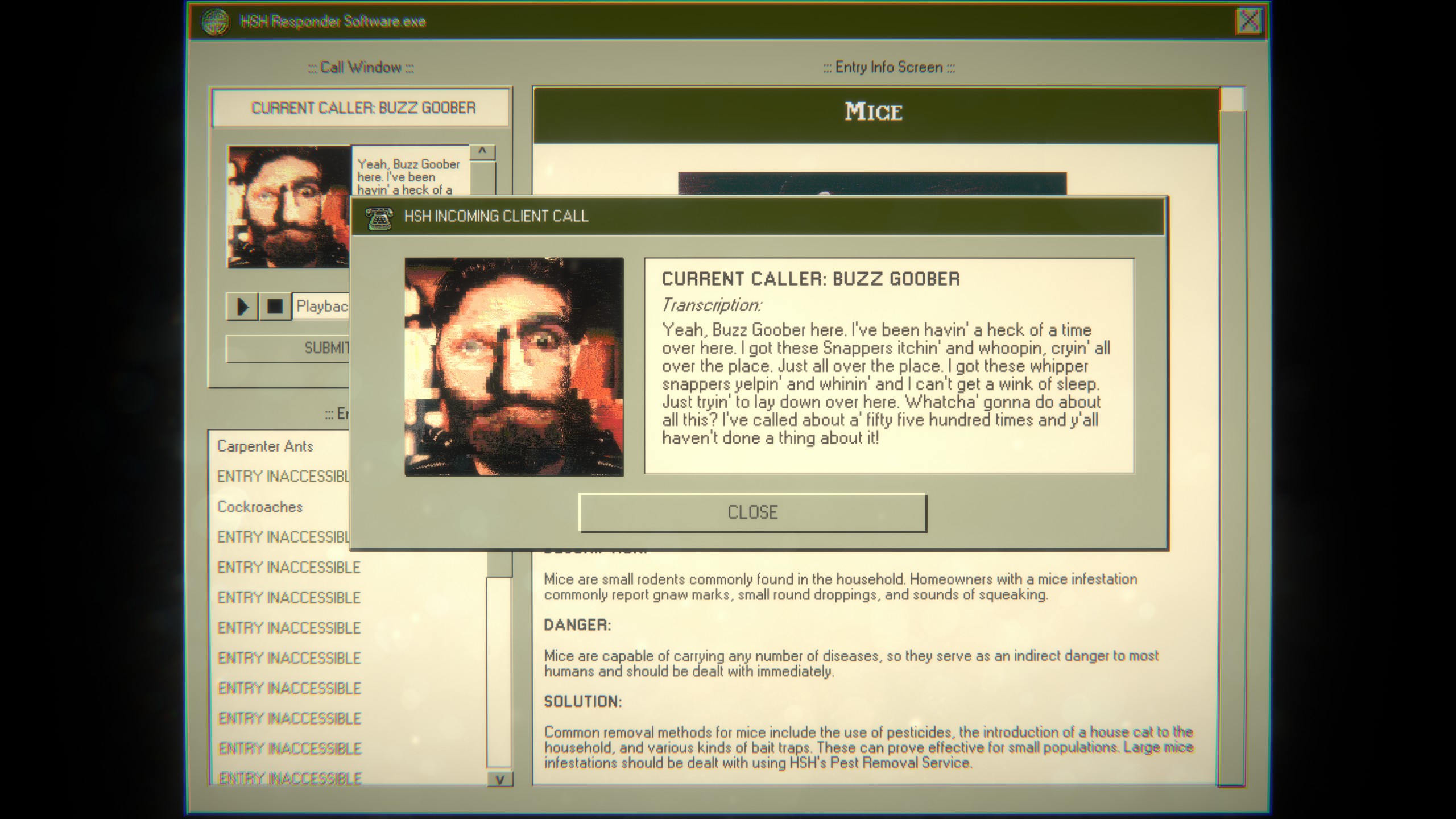
Case in point, I really dug Night Signal Entertainment’s off-beat, supernatural customer service sim Home Safety Hotline. Like many of the games I’ve played, finished, and enjoyed on PC lately, it’s a focused experience—costing much less than $20 on Steam. If you’re looking for a few more self-contained games costing close to $15, I’d also recommend the original Perfect Tides (teenage angst in a point-and-click wrapper), and Ambrosia Sky: Act One (think Power Wash Simulator but with more story and space fungi).
Heck, even Resident Evil Requiem is under 10 hours long, and lends itself well to multiple, increasingly overpowered playthroughs. Unfortunately, at 60 bucks, it’s the most expensive of my recent rotation. It’s also the game most recently that has justified my continued ownership of a PS5, as I happened to play it on console. It’s Resident Evil, man—ain’t no way I’m playing it on anything other than a PlayStation.
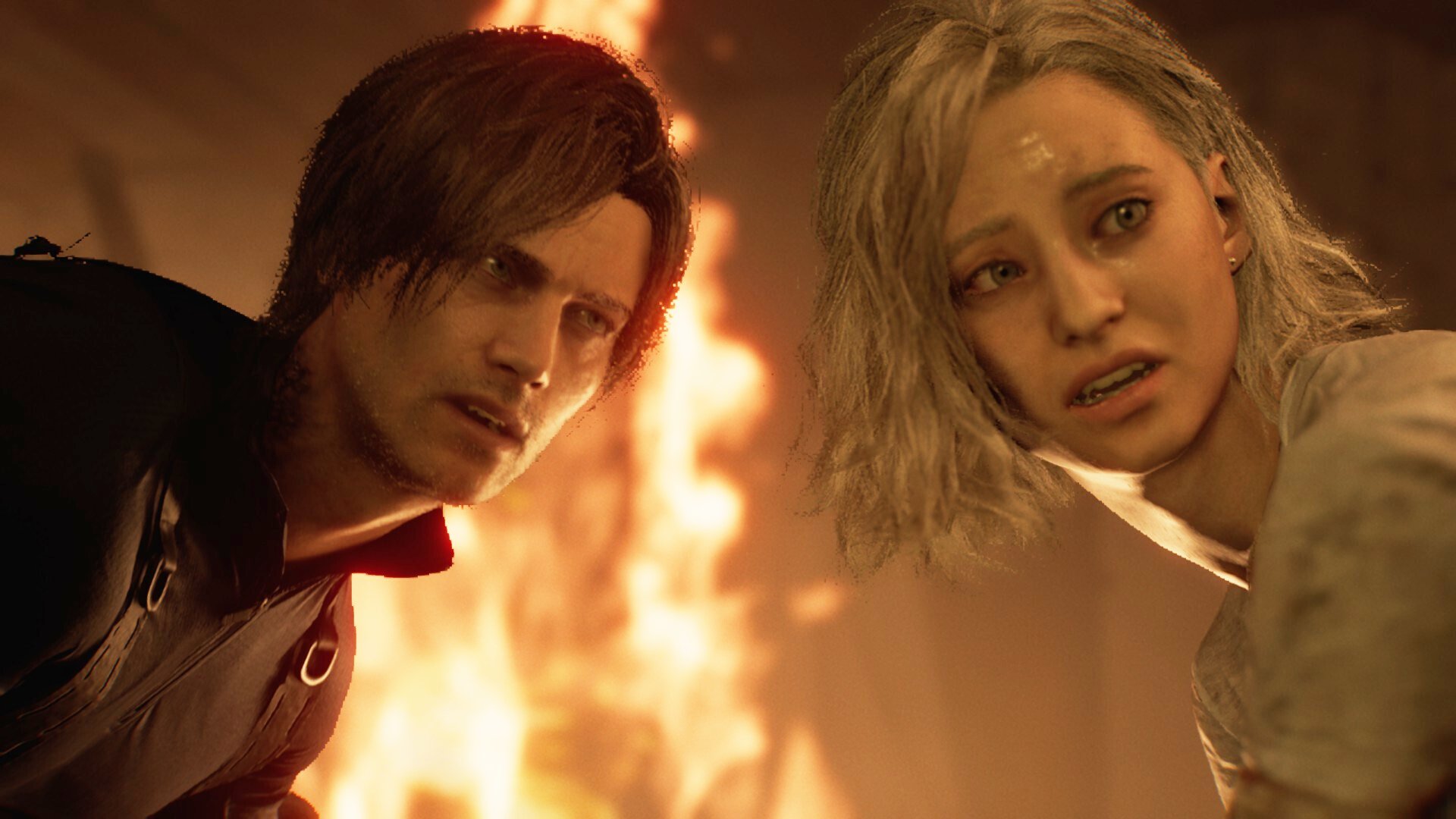
Besides maybe the PS5 Pro’s PSSR upscaling tech (which enjoys the same ‘core’ as AMD’s FSR Redstone anyway) and uncovering the mystery of who exactly Leon S. Kennedy is married to, there’s little about PlayStation’s future that truly excites me. For one thing, if the ageing PS5 already costs about 700 smackers, I dread to think just how pricey the PS6 will be.
When it comes to consoles, Nintendo appears to be the sole entity that still sort of understands the assignment. Just in terms of price, you can pick up a Switch 2 for $450/£396, though this console will likely also see a price hike before long. That’s also without mentioning how Nintendo games tend to retain their value over time, or the fact I’m currently considering pre-ordering the $60 Tomodachi Life: Living the Dream (I’ve decided the demo was just that good).
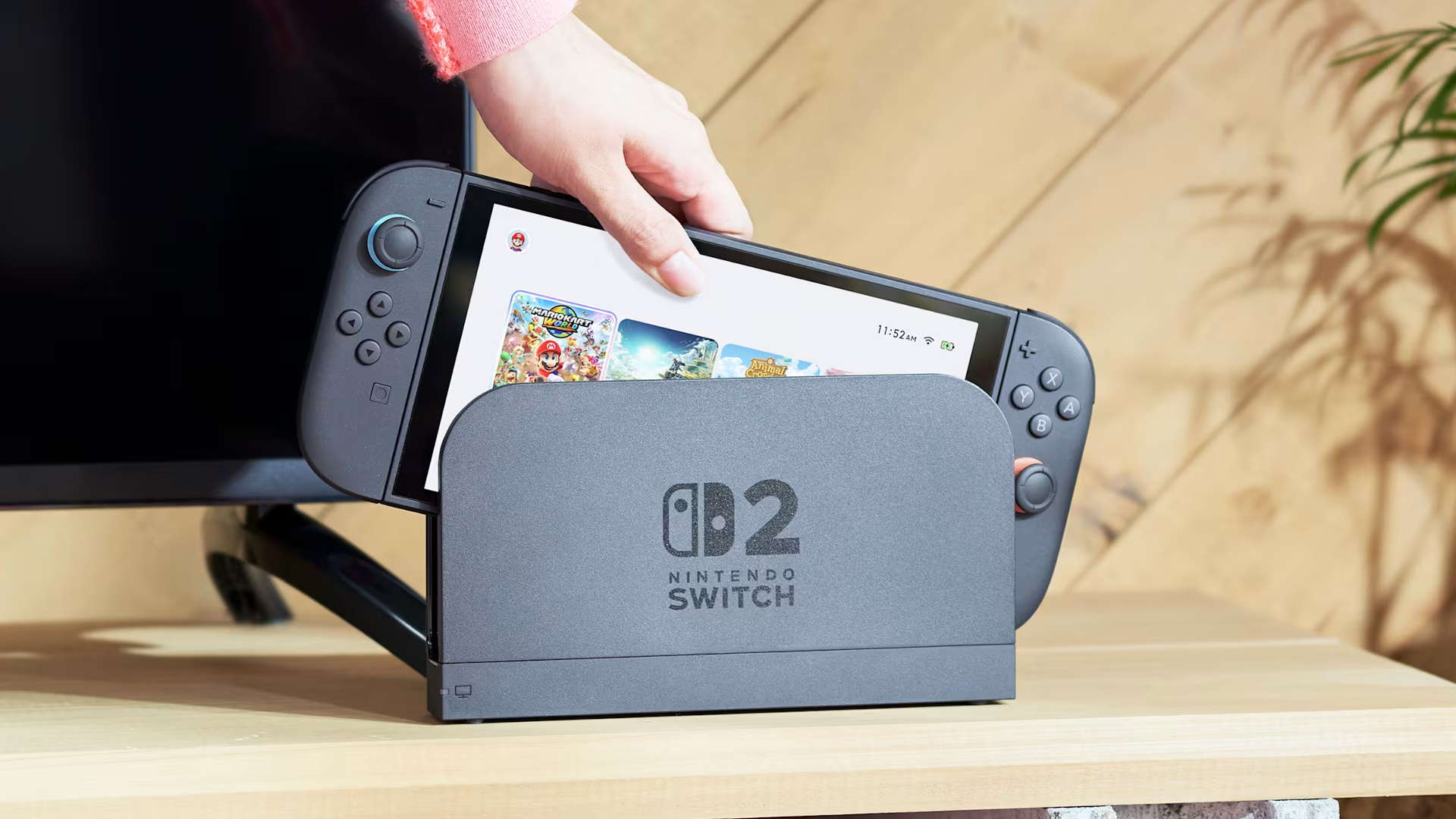
Our Ted has already made the case that the Switch 2 ‘looks like every other console now: A worse PC with a few exclusive games’. While I’ll concede it’s not reinventing the original Switch’s wheel, that hybrid design still offers something PC has yet to fully crack. Sure, you can ‘dock’ the Steam Deck, but it’s not really as elegant an experience—though I’ll grant you there’s nothing elegant about the enduring spectre of Joy-Con stick drift.
On the subject of exclusives, Pokopia has become something of a system seller for the Switch 2 and, having spent 25 hours with it myself, I can absolutely see why. Despite having written for PlayStation publications for a huge chunk of my career, it’s the Nintendo console I’m currently reaching for. How’s that for words I never thought I’d write…
About Author