After roughly four hours spent with a Forza Horizon 6 preview build I explored 84 of 673 roads. I crashed into 7 of 200 XP boards, and mowed down two of hundreds of mascots. I visited 17 of 74 districts and criss-crossed through all seven of the map’s regions. I drove three cars from a total of “more than” 550 (the preview build only had three). I was constantly, amply rewarded XP for crashing into things. I also got XP for narrowly avoiding crashing into things, and—almost as an afterthought—going very fast and racing very well.
Five years have passed since the release of Forza Horizon 5, and a lot has changed in the world. But save for a change of scenery almost nothing has changed in Forza Horizon 6, which I played on an Xbox Series X because a PC build wasn’t provided.
That scenery is pretty important, though. Japan is the new setting, and the map pivots around a condensed version of Tokyo. The city sprawls like no urban centre in a Forza game has done before. Cities in driving games, with their match-thick power poles, flimsy street furniture, and eerie deficit of human life, never feel like proper cities and it’d be impractical if they did. But Playground Games has done a good job applying lots of different levels of urban density to their Tokyo, so that it feels like a real city when I’m speeding through it.
Tokyo’s centre is a thatched network of narrow, restrictive lanes surrounded by right-angled streets. Further out, the roads widen as they run between office buildings and retail outlets in arcs permitting much higher speeds. These outskirts eventually give way to even wider arterial roads lined with petrol stations, car parks, convenience stores and free-standing homes.

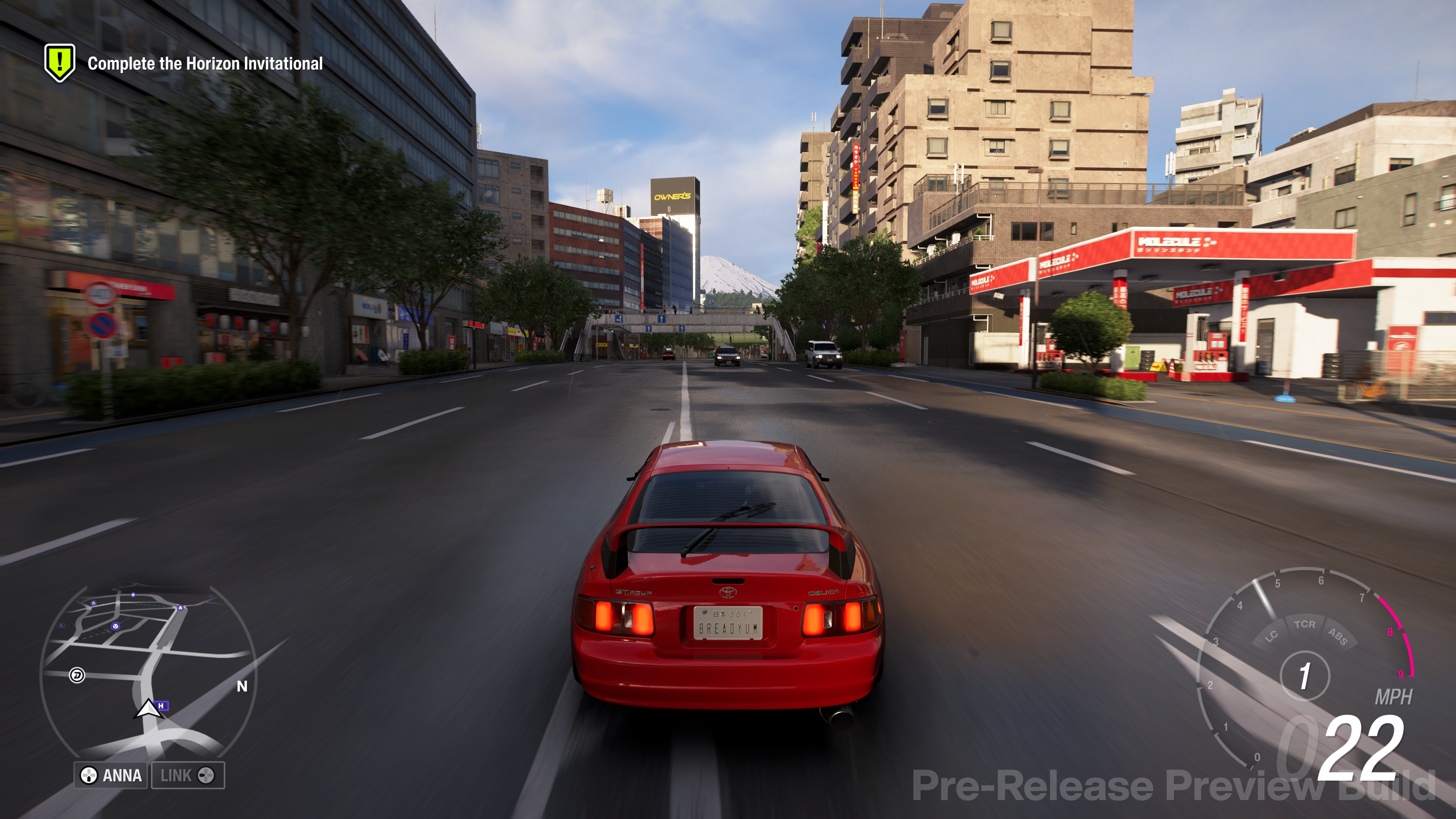
Through all this, Playground Games’ interpretation of the iconic Shuto Expressway threads through the sky with a view of all the vertical neon lights and Tokyo Tower. It’s a dreamlike distillation of what I see when I think about Tokyo, but when I slow down to take in the sights there’s a surprising amount of superfluous detail: EV charging stations, bustling pedestrian-filled lanes, the interiors of sushi trains. Bikes litter the pavement; I almost wanted to pick one up and flog someone with it a’la Yakuza.
Playground Games has practiced unusual restraint in its deployment of cherry blossoms to denote Japanese-ness
But as is always the case in Forza Horizon it’s the countryside buffering Tokyo on all sides that feels like the main attraction, chiefly because it’s where you can make cars go faster. Hokubu is a region of rice field flatlands buffeted by green mountains, and shot through with the elevated tracks of Japan’s famous bullet train. Here and throughout Playground Games’ Japan there’s a pleasing intermingling of the industrial and pastoral: the giant pylons of a modern freeway poke from the paddocks of a farmer’s rundown; stark red transmission towers loom above untouched woods.
Playground Games has practiced unusual restraint in its deployment of cherry blossoms to denote Japanese-ness, though Mount Fuji is ubiquitous, albeit relegated to skybox status (at least in this build). That said, it serves its purpose as a distant landmark capable of communicating “you’re in Japan” more effectively than anything else, especially the kawaii mascots that adorn the menus.
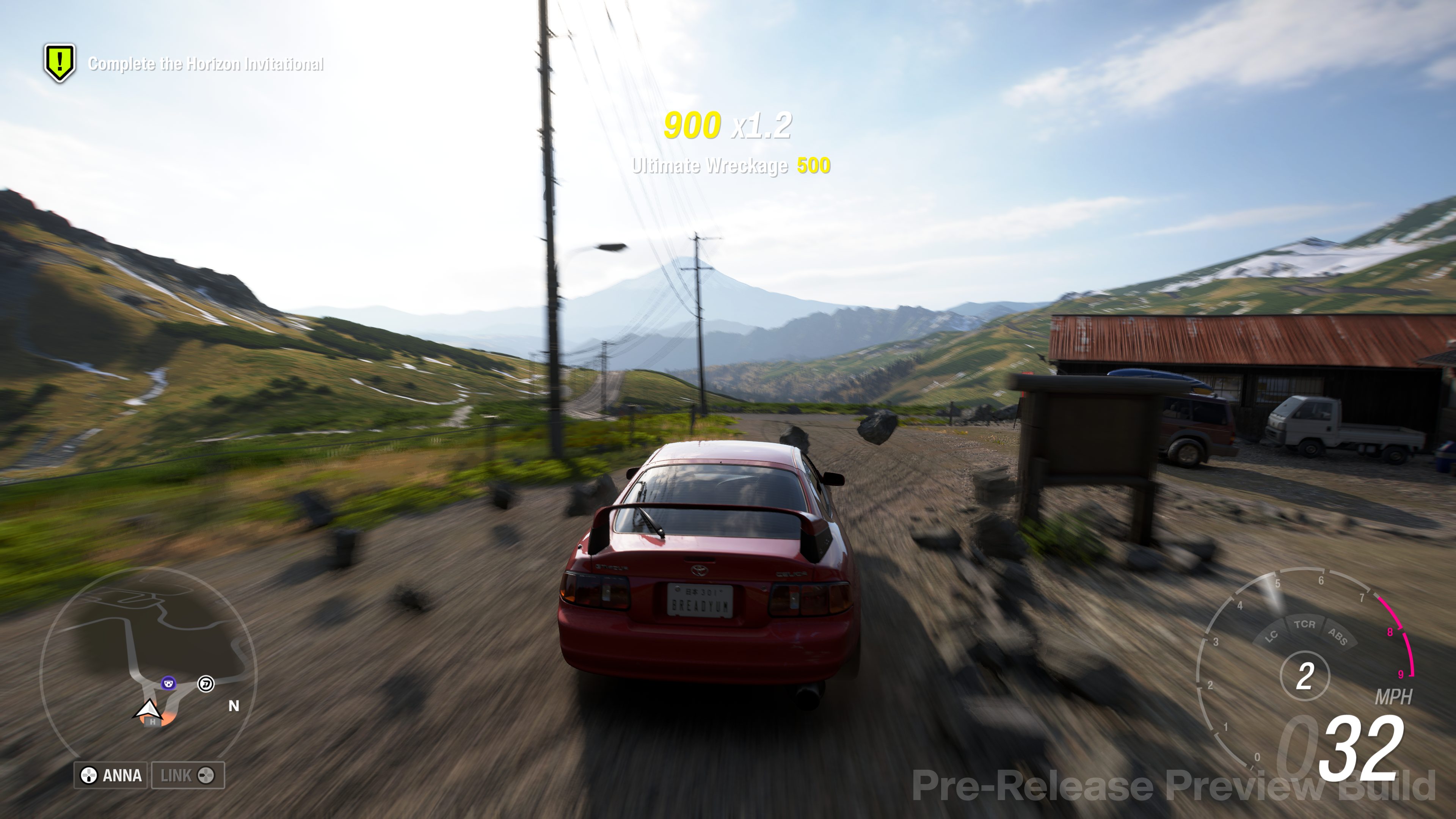
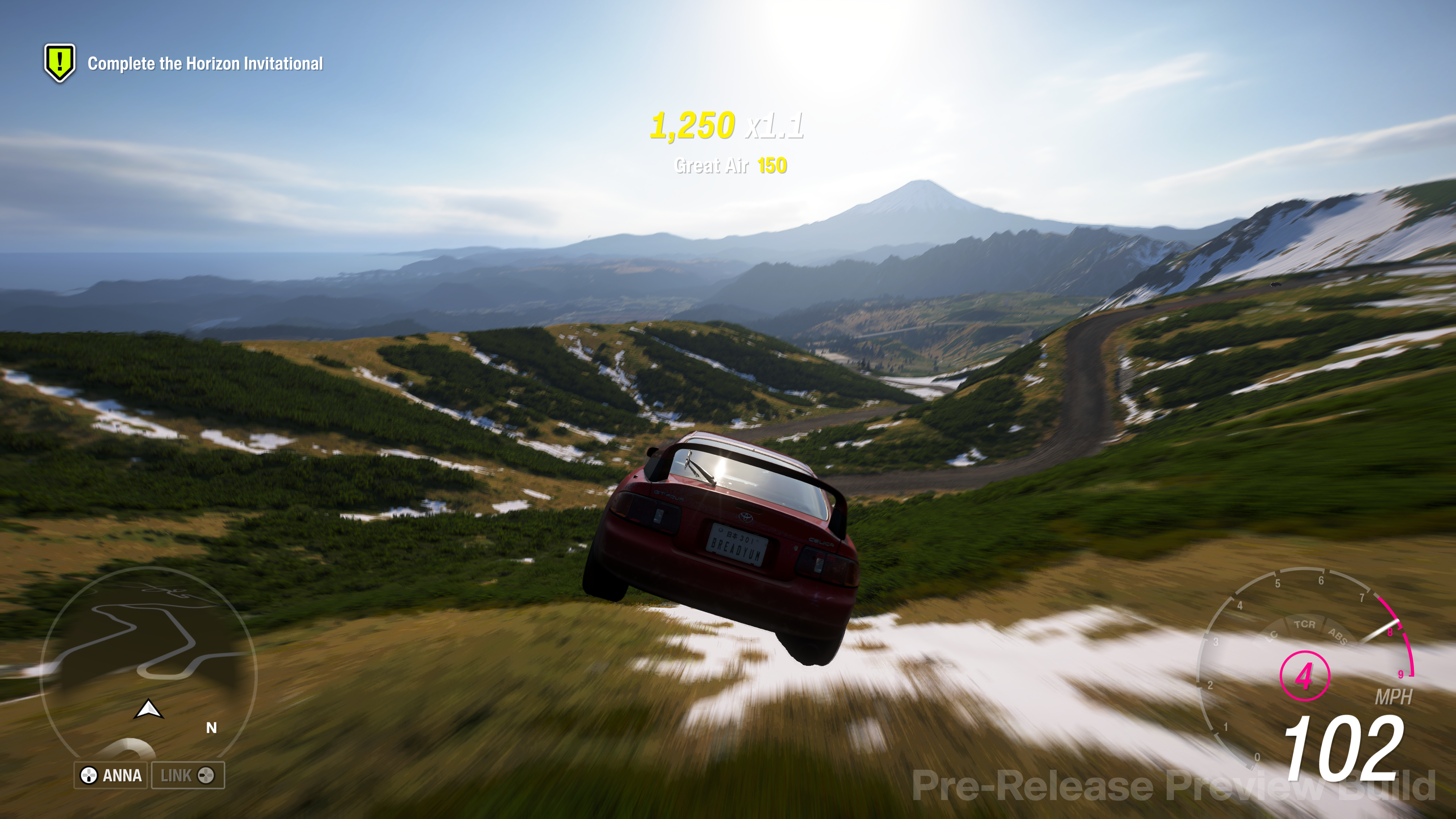
The northern Sotoyama region is my favourite. It feels much more dangerous than the La Gran Caldera volcano in Forza Horizon 5’s Mexico. The whole of Japan spreads out beneath this Mount Chiliad-like expanse, full of shelves that feel like the highest but never are, and huge wide snowy descents that will almost certainly be reserved for one of the game’s big cinematic boss races. You can definitely tell that Forza Horizon 6 isn’t punching above the technical weight displayed in its predecessor, but it feels like Playground Games is being more playful with the extremities here: this is definitely a more dramatic, less “realistic” map than any Horizon map we’ve seen before.
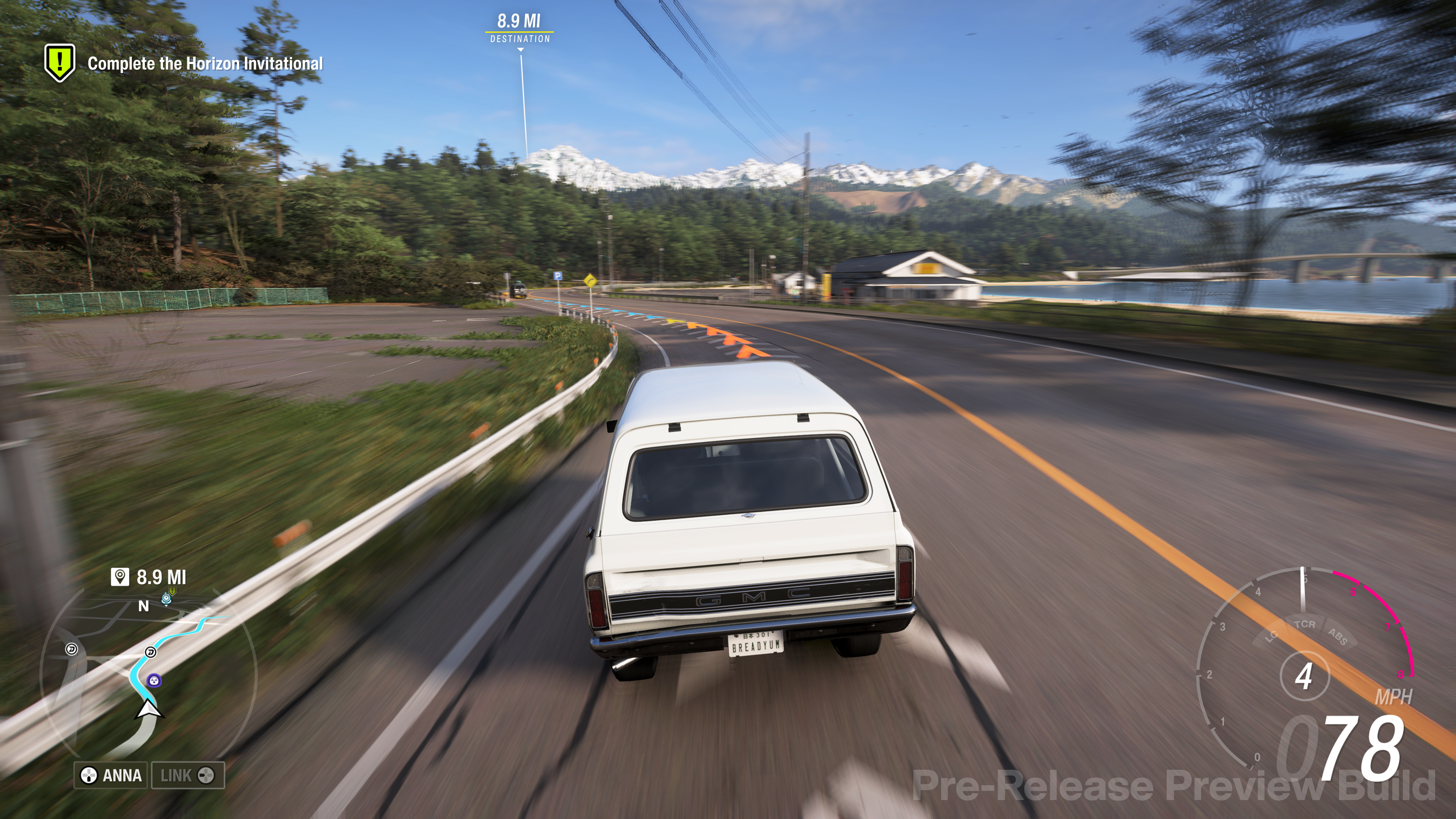
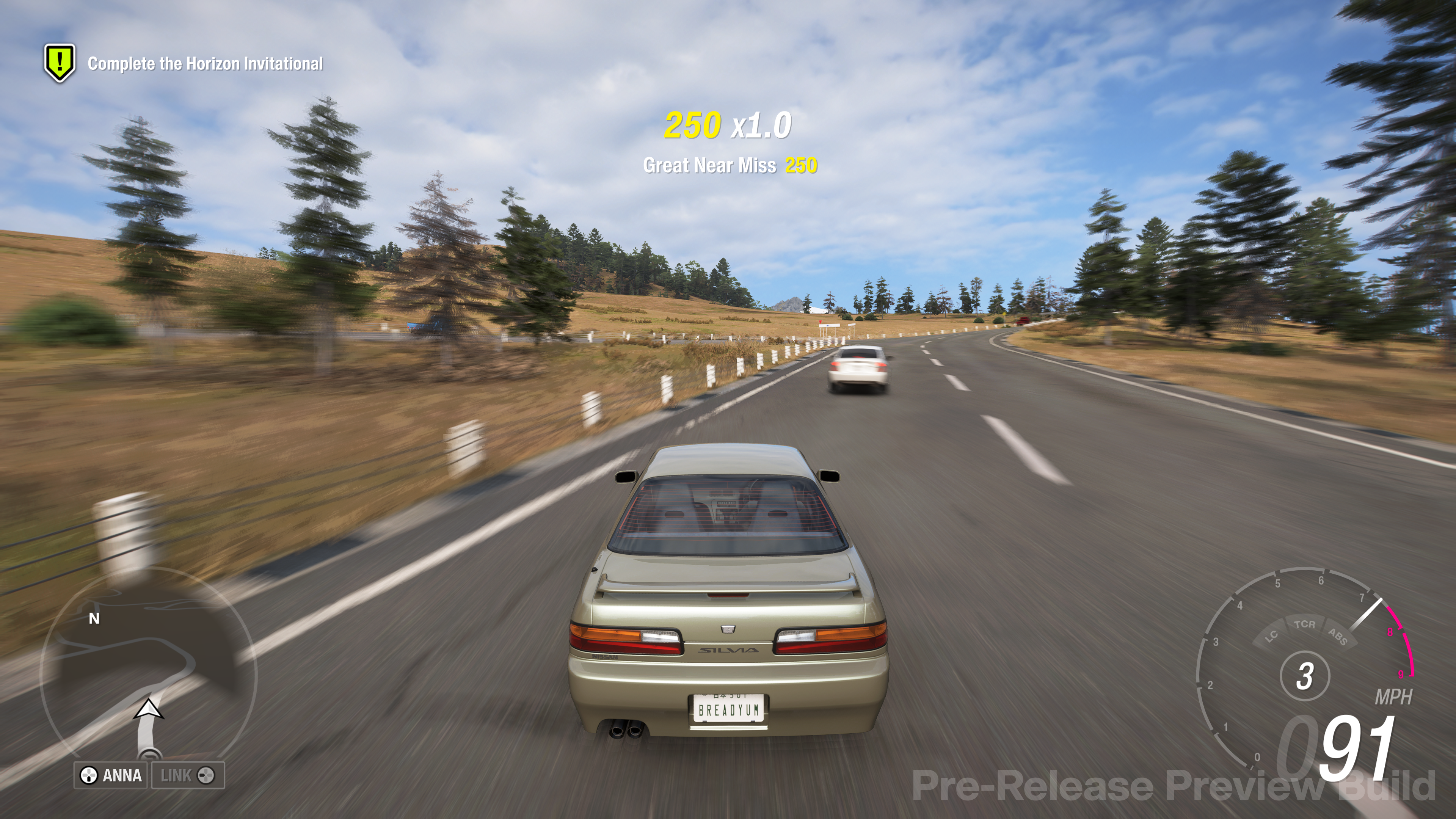
Japan is already my favourite Forza locale but as for the rest of the game: you better believe Playground Games is not messing with anything. The menus look the same and are as clunky as ever. The map is strewn with the same side activities and distractions. There was no evidence of the series’ annoying gambling elements, such as the poker machine-style Wheelspins, but that’s not to say they won’t be in the final build.
Forza Horizon is about virtual tourism, going really fast, getting lots of XP for doing not-very-impressive stuff, and drooling over cars (if you’re into that). Not much has changed then, but the format doesn’t need to. The final game promises 550 cars and 1 pretty world to drive them in. They’re the only numbers that matter.
About Author