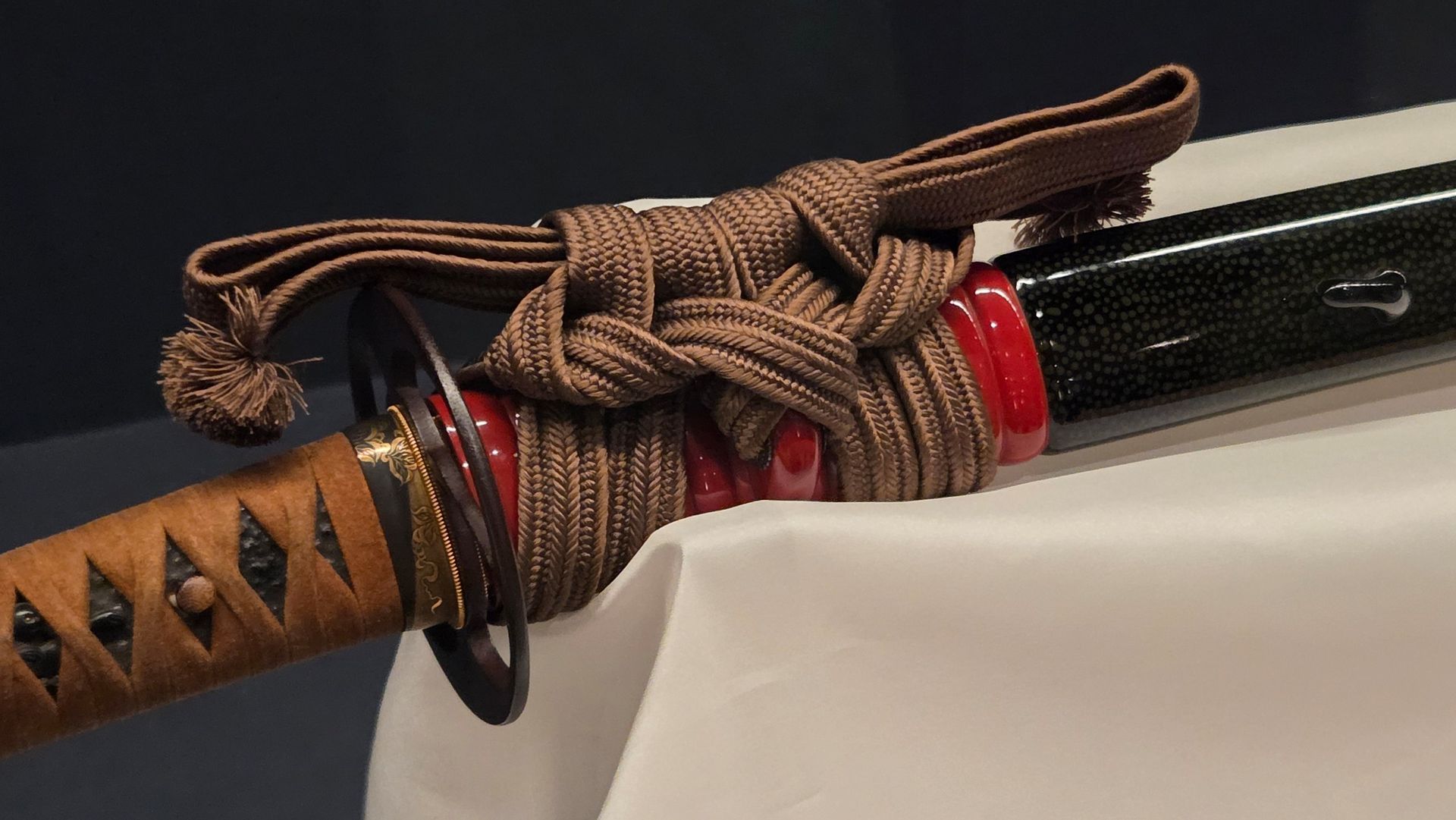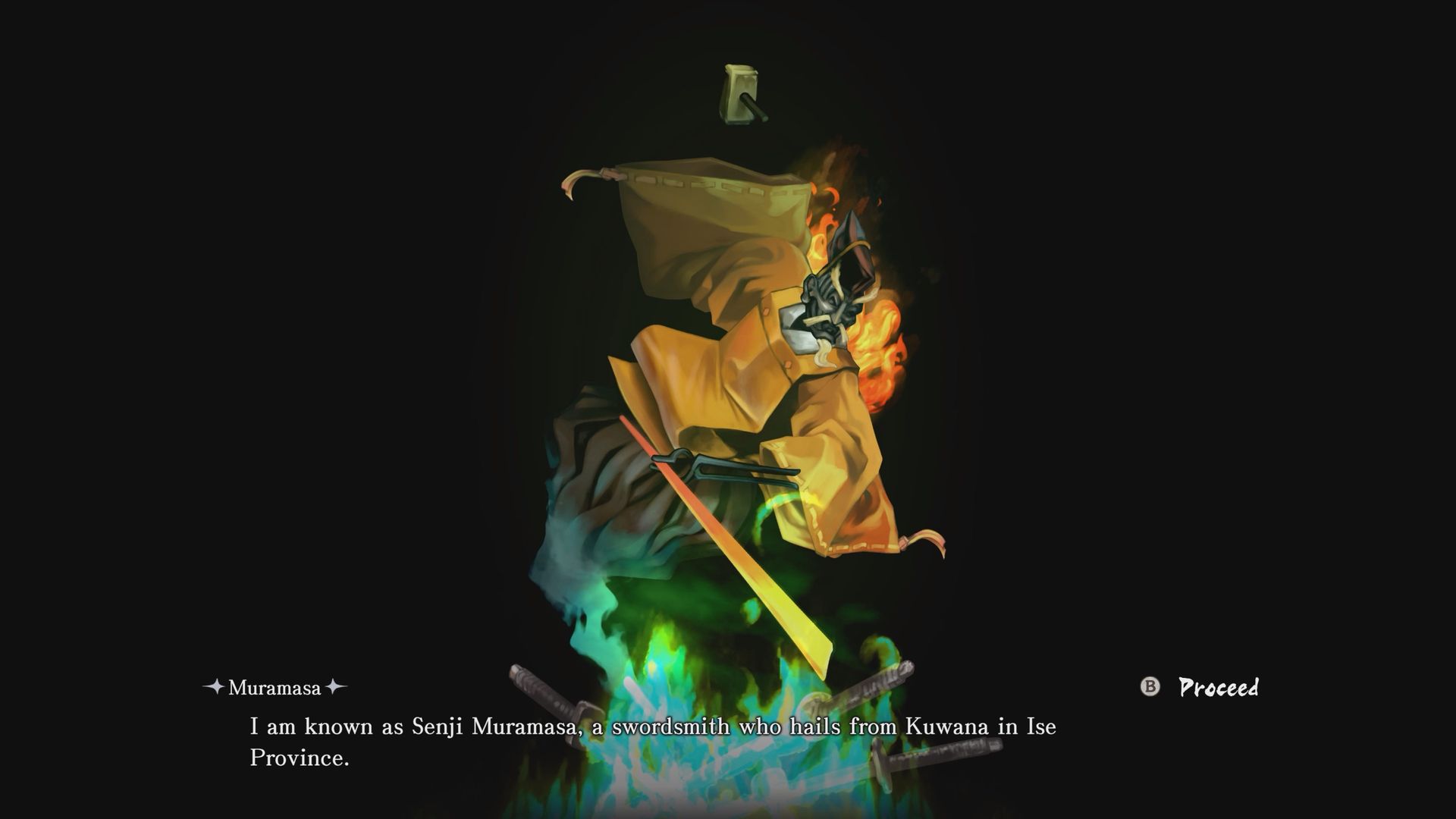
The Japanese Sword Museum in Tokyo, set along the bank of the Sumida river, enshrines behind glass a collection of remarkable blades spanning hundreds of years of craftsmanship. Books about the longer uchigatana and shorter wakizashi, some of them written by the museum’s very donors, celebrate the swordsmiths who hammered them out of steel. But flip through one, and there’s a good chance you won’t spot the name Muramasa, despite his swords playing a prominent role in some of Japan’s most famous battles.
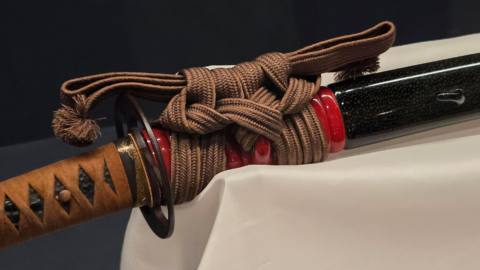
Centuries of mythology building up around the idea that your swords were cursed will tend to do that to a guy.
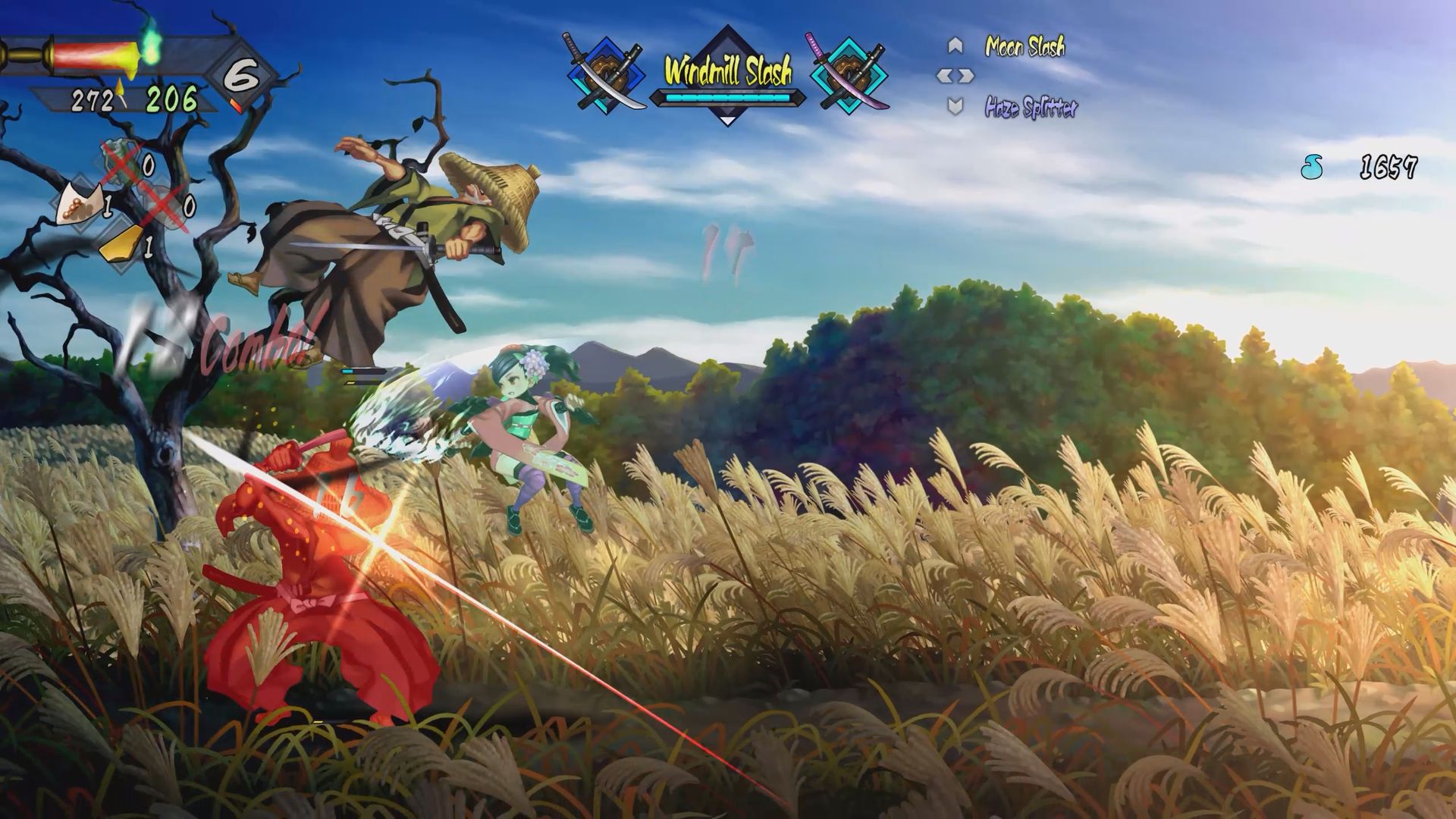
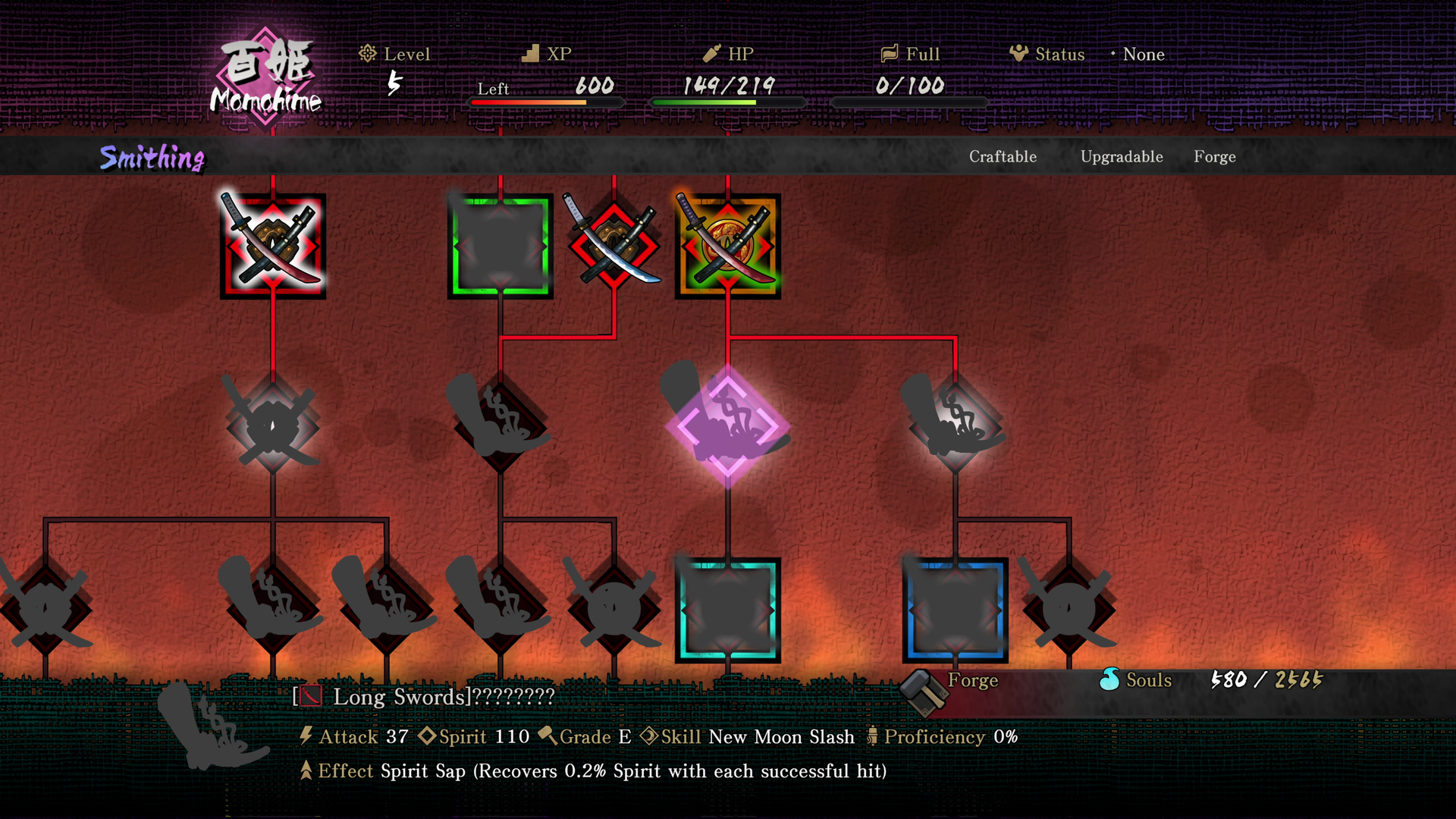
Vanillaware’s Muramasa: Revenant Blades, at least, isn’t afraid to lean into the legacy. The 2D action game is so in love with swords it’s got 108 of them, and it turns the superstition that Muramasa’s swords had to taste blood once unsheathed into a simple but enticing mechanic: Each comes with a unique skill, which can be equipped on another sword only after it’s had its fill of bloodshed.
“There’s definitely this reputation that the swords of Muramasa are cursed, but what that means is they have power,” says director Wataru Nakanishi. “In this game Muramasa is an important character and will create these very powerful swords, but in turn [the protagonists] must collect souls for him, so they have this cooperative relationship based around this dark situation.”
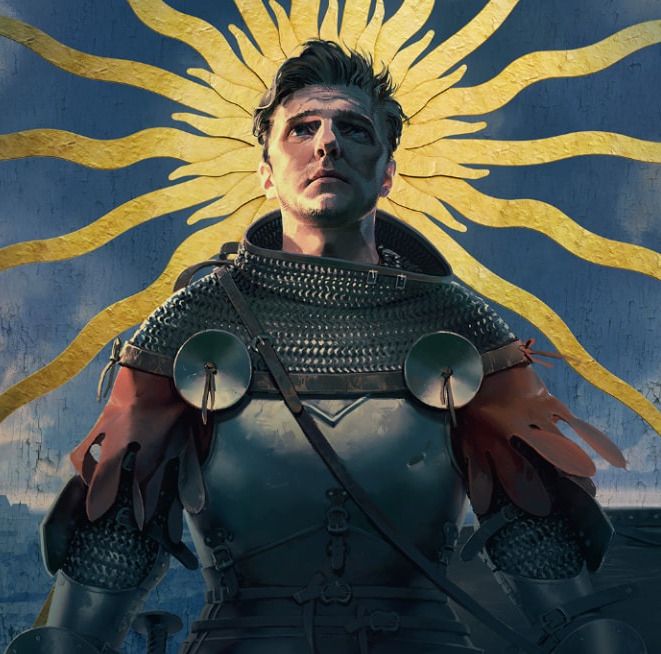
In a way Revenant Blades is lifting a curse of its own: 17 years after the game was first released on the Nintendo Wii as Muramasa: The Demon Blade, it’s somehow the first release from Vanillaware to make it to PC. The Japanese studio followed Muramasa with more nuanced games, like 2019’s acclaimed 13 Sentinels: Aegis Rim and 2024 tactics RPG Unicorn Overlord, but after playing Muramasa on PC I can see why the studio started here. I remember a hack-and-slash with art so lavish seeming novel back in 2009, and somehow that’s just as true today.

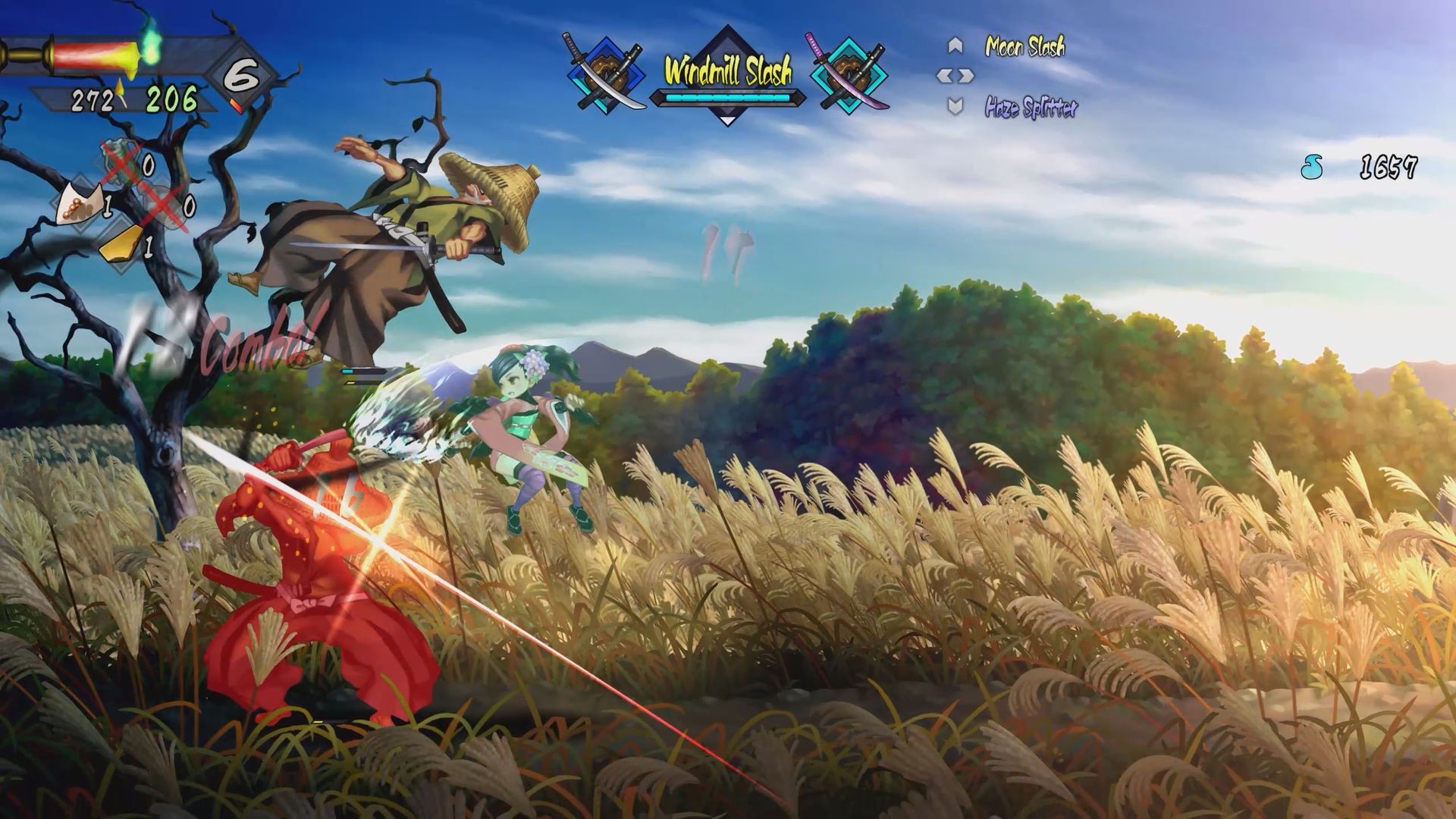
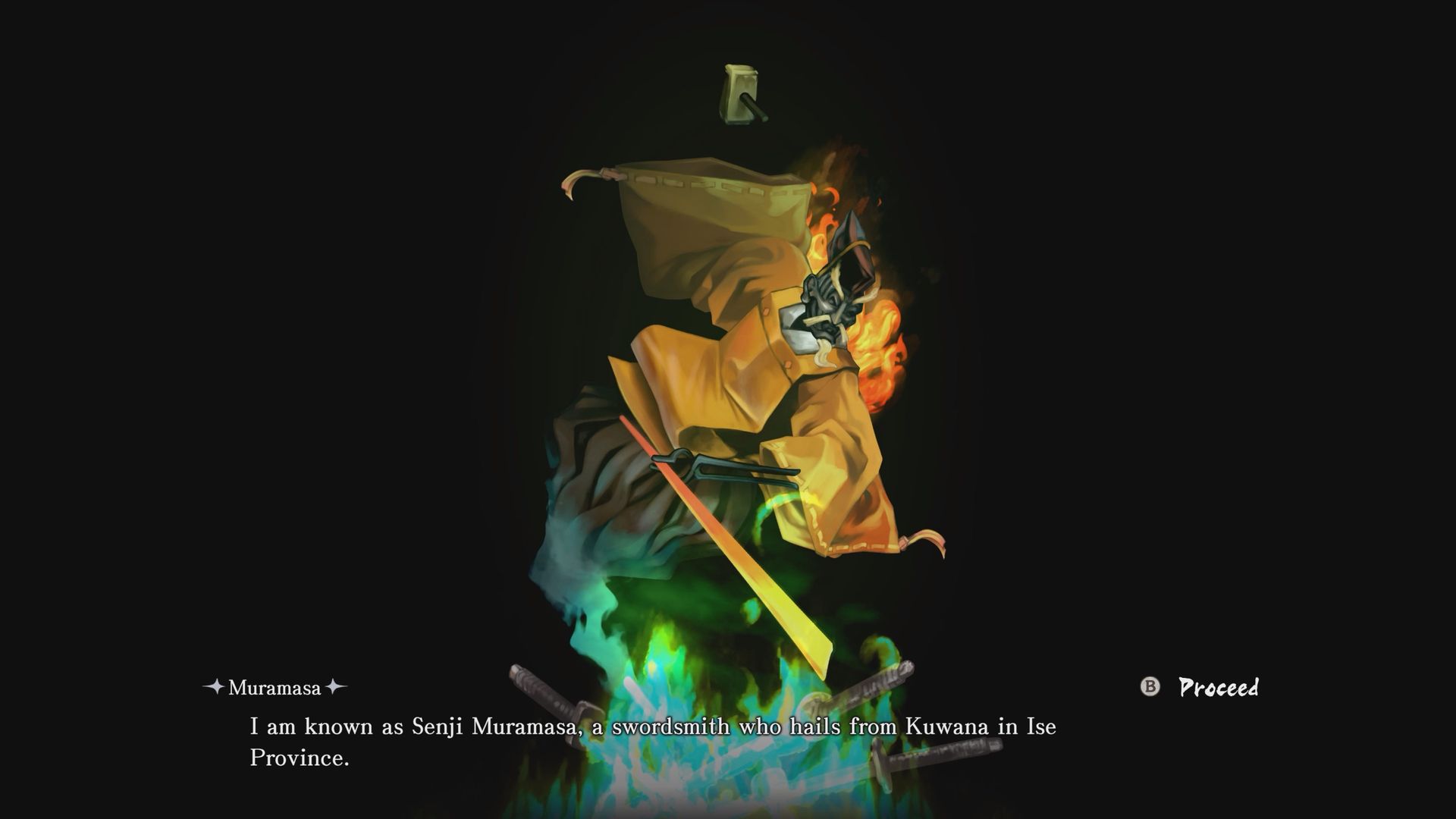
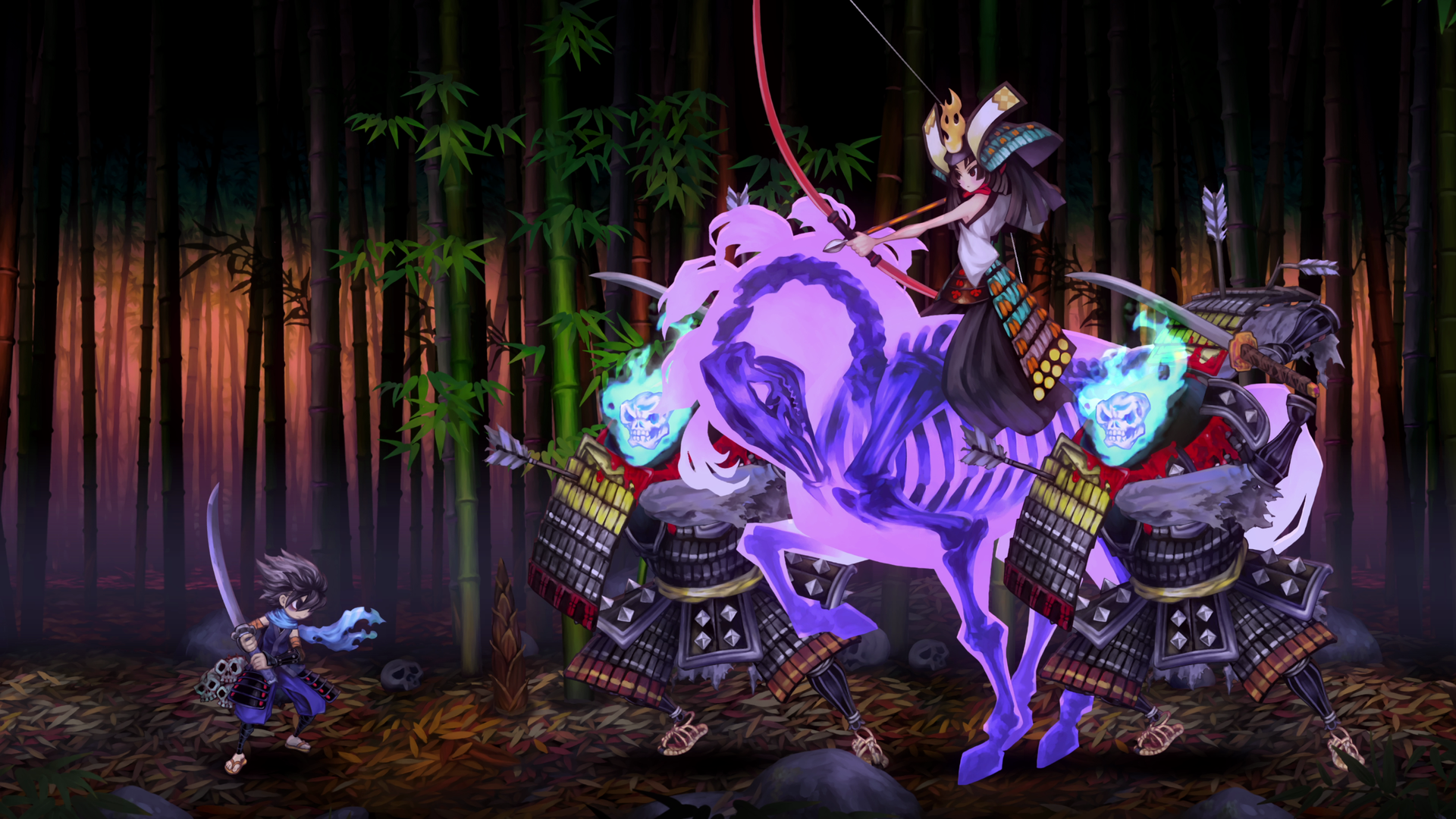
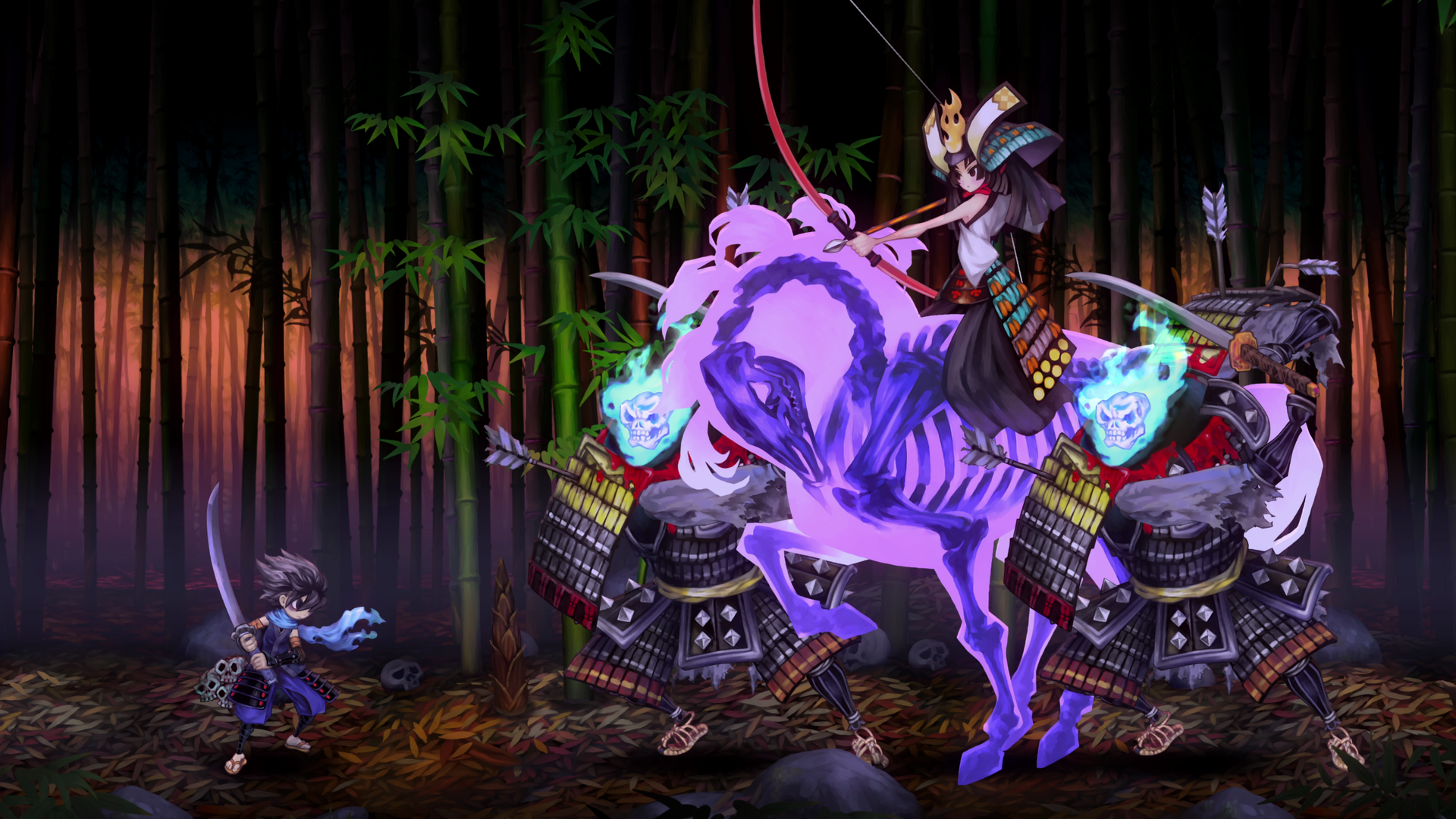
The painterly art has a timeless quality to it, though that’s something of an illusion. “It was a lot of work, and it was very difficult,” Nakanishi said, laughing. “We had some of the assets, but not others. For those we had to pull them from the game, and then artists individually by hand had to touch them up and recreate them to make something appropriate for the HD release. But you know, through that arduous hand-drawn process, we were able to create this warm and colorful art that we think people will be happy to see.”
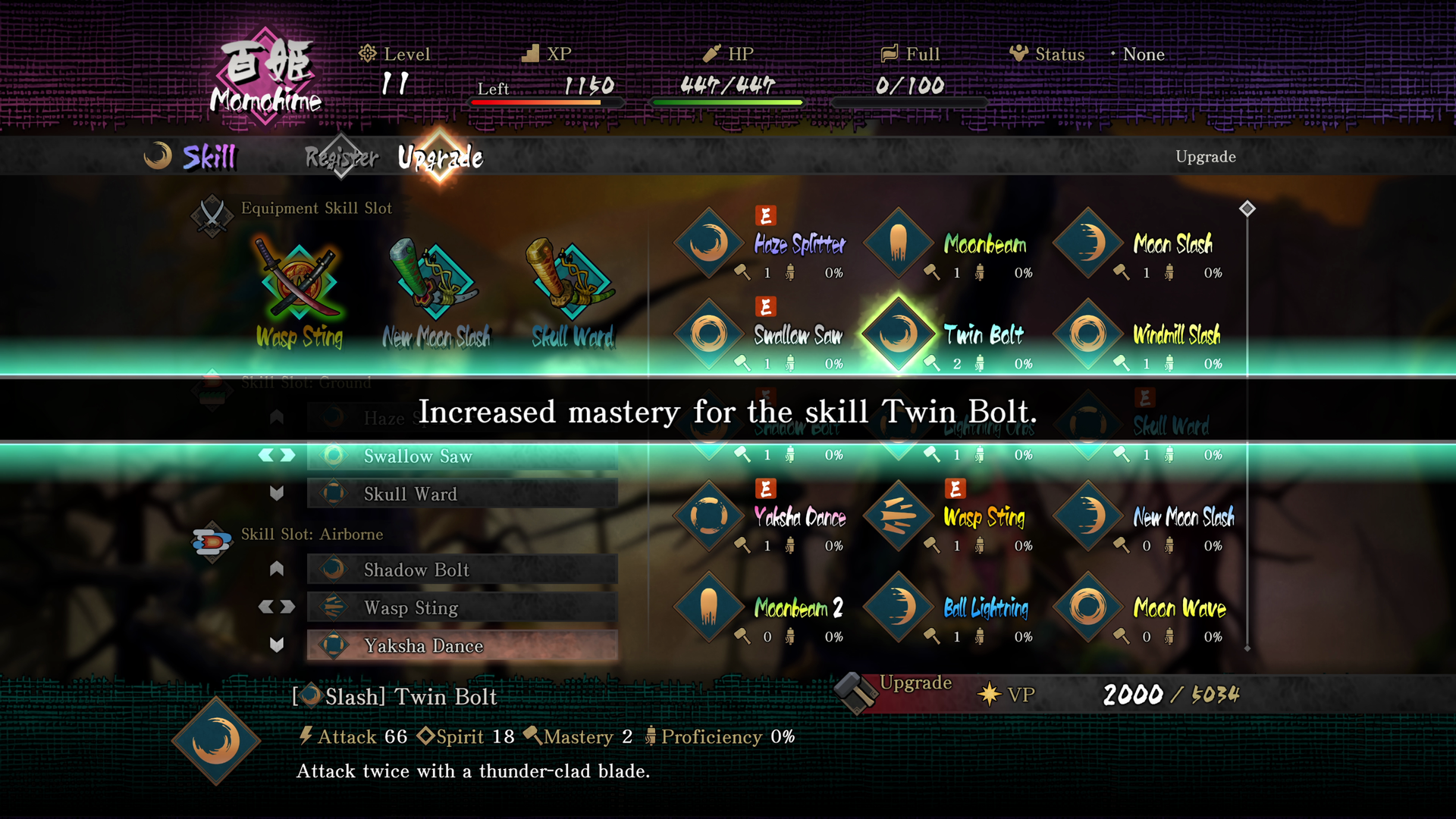
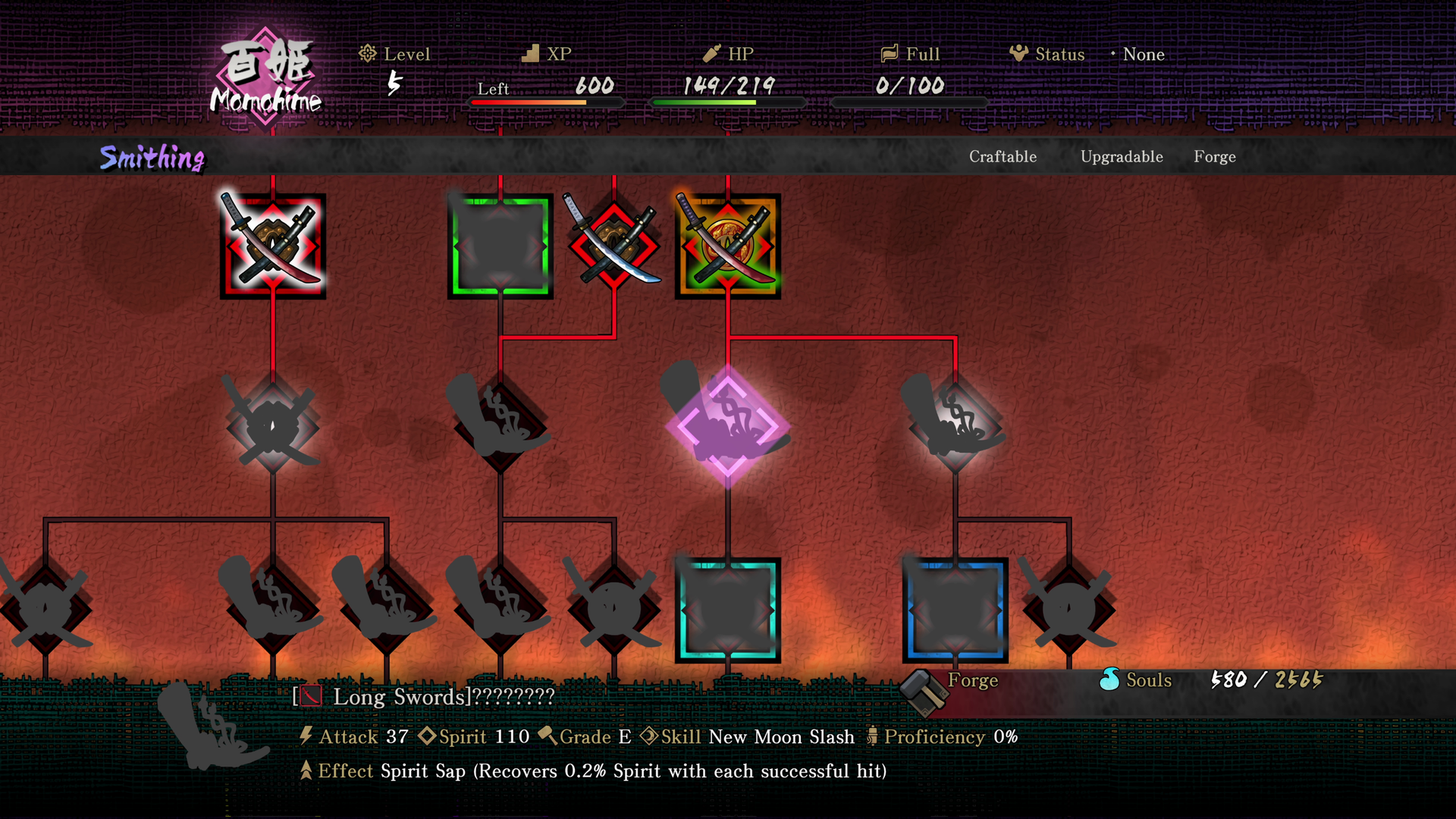
Revenant Blades is also not the simplistic game I remember. The skill system for all 108 blades is new, allowing me to equip three ground and three air abilities to a trio of blades I could have equipped (and swap between) at any one time. That made for a dizzying number of special moves to keep in mind, though executing them is as simple as tapping a button and a direction.
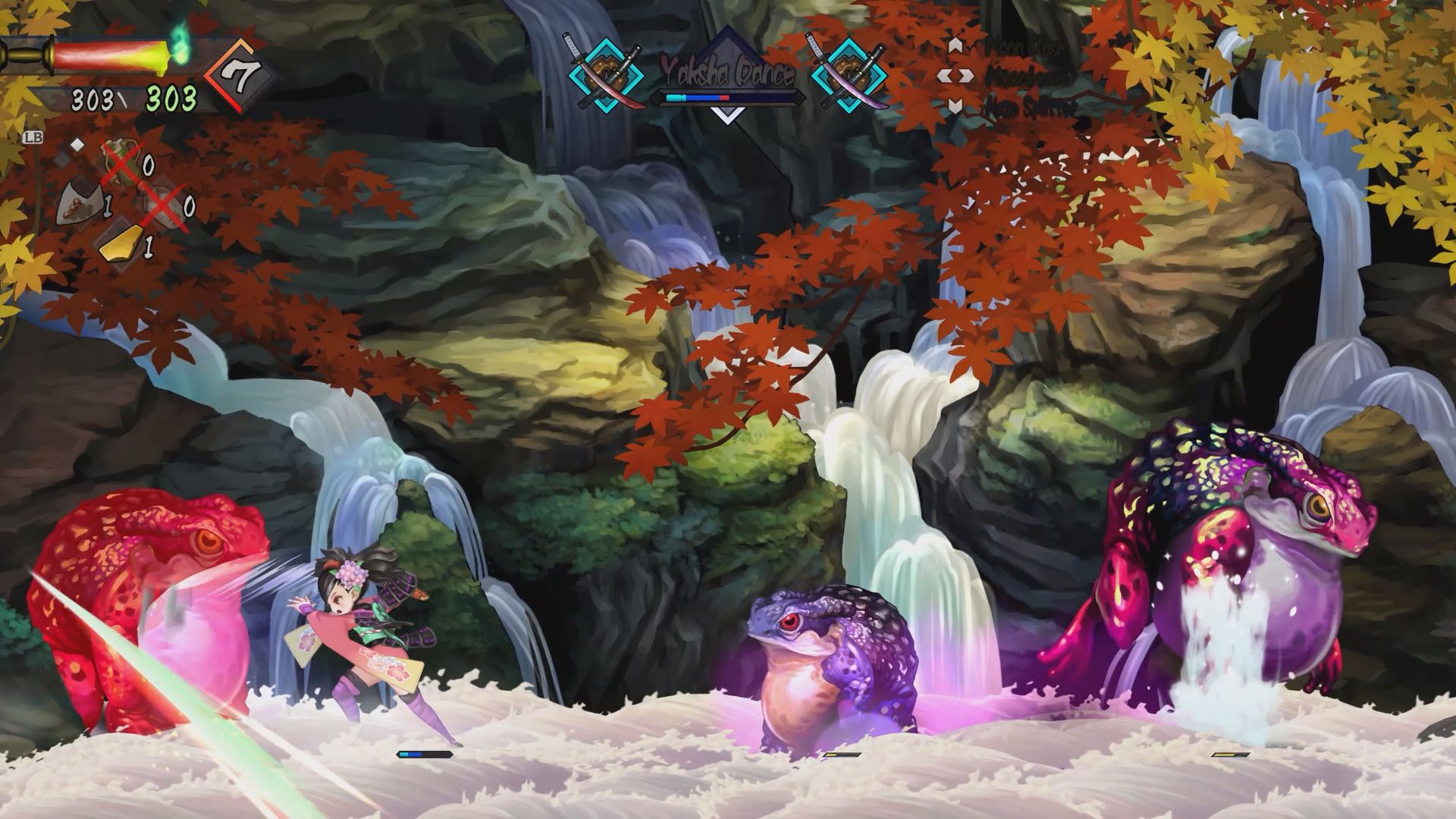
On the harder difficulty enemies now come streaming onto the screen in daunting numbers, and with more health to compensate for your improved arsenal. I learned the hard way not to play too defensively: Blocking a few attacks would wear down my sword until it snapped, leaving me open to a quick death. Survival demands fluid strings of combos, flitting between swords to keep them from breaking, chaining a launcher skill into a rapid series of slashes that can pummel a whole gang of ninja at once.
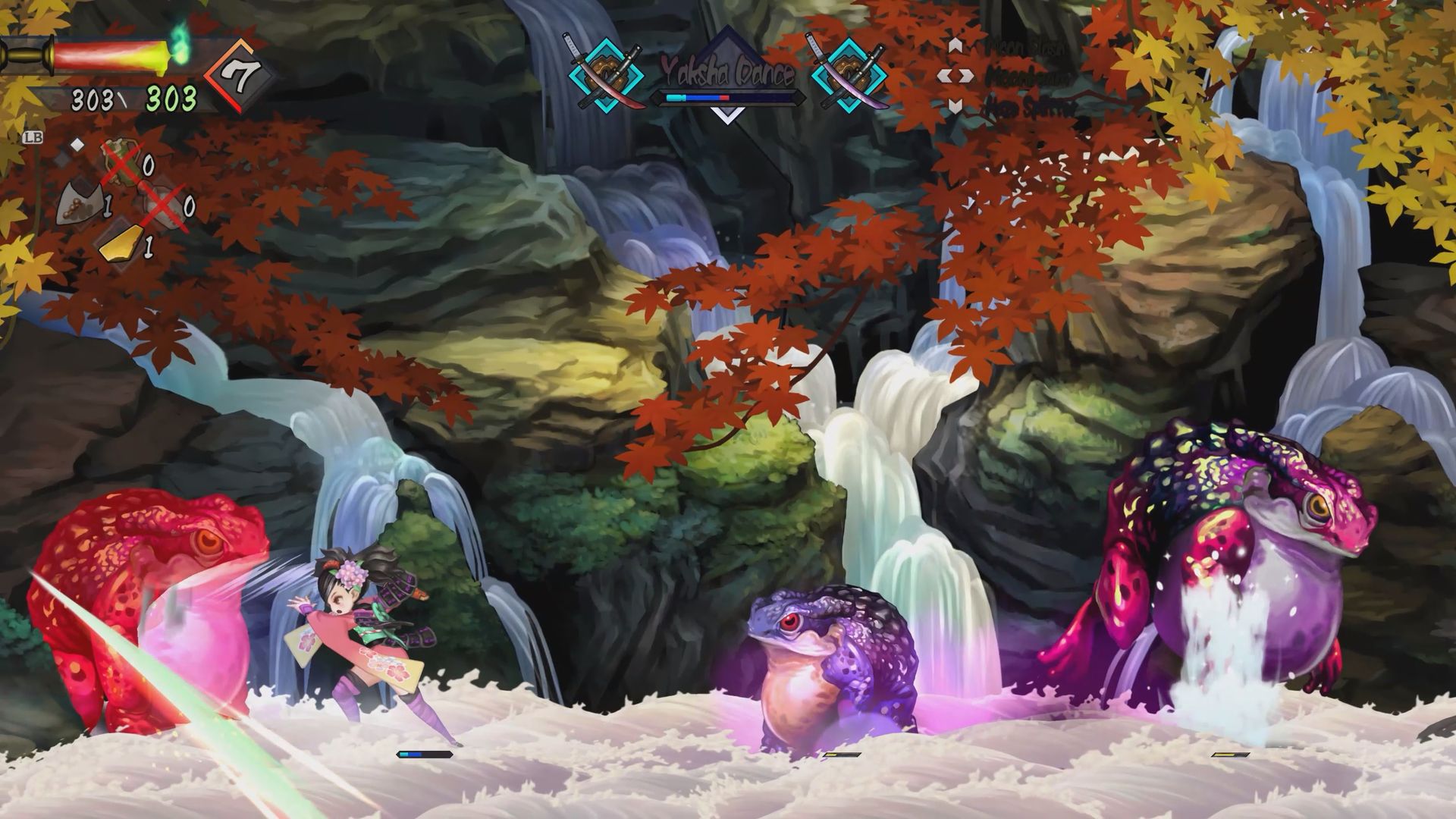
Or toads. I walked underneath a waterfall, not realizing I was underleveled for that bit of Muramasa’s freely explorable map, and got absolutely embarrassed by a family of poison-spitting toads. Way scarier than the guys with shurikens and bombs.
In the original game enemies scaled with you as you leveled up, but Vanillaware scrapped that for Revenant Blades. Enemies in different areas now have fixed levels; you’ll be able to steamroll the ones that are weaker than you, but depending on the path you take you might run into fights that send you scampering away unless you’re really good.
Because you could previously only use a single skill that was locked to the single katana you had in-hand at any given moment, Nakanishi says players naturally gravitated to the most powerful late-game blades. “It kind of limited the scope of the gameplay,” he says, but now that you can equip skills independently, “players have access to so many more skills and playstyles.”
“Using the skills Celestial Slash and Flame Barrage, you can knock people into the air with fire, then jump up and use the aerial skill to knock them back to the ground. That kind of combination wasn’t really something you could do with the more limited skill system.”
In addition to possessed princess Momohime who I played as for the hour-long demo, Revenant Blades piles on a range of playable characters first added in a 2013 Vita re-release, each with their own stories. It’s now a deceptively beefy game, and the skill system feels like the key it needed to unlock its full potential. I can’t imagine a better fit for the Steam Deck OLED, where its vivid backgrounds will threaten to tear the eyes away from the action for the three seconds it’ll take to wind up dead.
If Muramasa: Revenant Blades is the hit on PC it deserves to be, perhaps it will manage to dispel the myth that PC ports are as taboo in the halls of Vanillaware as the swordsmith’s weapons have become over the centuries. Could more follow in its wake?
“We currently don’t have any specific plans of that nature, but we would love to see Muramasa be successful enough that people start to ask about that kind of thing,” Nakanishi says.
2026 games: All the upcoming games
Best PC games: Our all-time favorites
Free PC games: Freebie fest
Best FPS games: Finest gunplay
Best RPGs: Grand adventures
Best co-op games: Better together
About Author