
Welcome to Dungeon Master, PC Gamer’s regular RPG column, where Online Editor Fraser Brown delves into PC gaming’s most beloved and enduring genre. Grab a seat in our badly-lit tavern and please ignore the goblin puke.
Videogames have always struggled a wee bit—and I’m being generous here—with the subject of romance. Explosions, dragons and alien invasions? It’s got that stuff locked down. But the language of love has proved a bit more elusive. Developers, especially RPG devs, have refused to back down in the face of this challenge, however, and we’re now at the point where the absence of romance has become more noteworthy than its inclusion.
Arguably, this is BioWare’s legacy. It wasn’t the first, but BioWare’s RPGs really codified videogame romances—specifically romanceable companions—starting with Baldur’s Gate 2. This has become so commonplace that even games that aren’t really RPGs, like Star Wars: Zero Company, need to answer the question: can we knock boots with our colleagues?
But is this feature really essential in an RPG? Is it even warranted? If we were just talking about the BioWare model, I’d have to say absolutely not. But there are some caveats.
BioWare’s actually designed some genuinely great relationships over the last few decades. In Dragon Age, the potential relationship between the Grey Warden and Morrigan is critically important for the series’ overarching story, and equally important is how the development of that relationship really lets you get to know one of Origins greatest and most closed off characters.
Mass Effect also does some interesting things with its romanceable companions. The relationship with Liara, for instance, starts off a bit creepy. In the context of her species, the asari, she is effectively a child, despite being over 100 years old, which is clearly emphasised by her innocence and naivety. By Mass Effect 2, however, she’s gone through a great deal and comes across as more self-assured and grown up, and while she only appears in the DLC, the relationship feels considerably more nuanced.
Shep’s trilogy also benefits from having the same protagonist throughout, giving you the opportunity to develop a relationship across three distinct games and DLC. There’s a lot of room to explore romance, then. But the series never quite manages to escape BioWare’s formulaic approach to romance.
You have a handful of conversations, say that you’re crushing on someone, and then just before the end of the game you sit through a sex scene. Your companions rarely have much agency—it’s just another power fantasy.
This is not the only approach, though. In Baldur’s Gate 3, for instance, Larian explores lots of different kinds of relationships with much greater depth, from the purely sexual to the exceedingly romantic. It’s an incredibly horny game, but at the same time it doesn’t treat sex as some kind of reward that you’re working towards. Depending on the character, you might end up having a meaningless tumble in the hay within the first act.
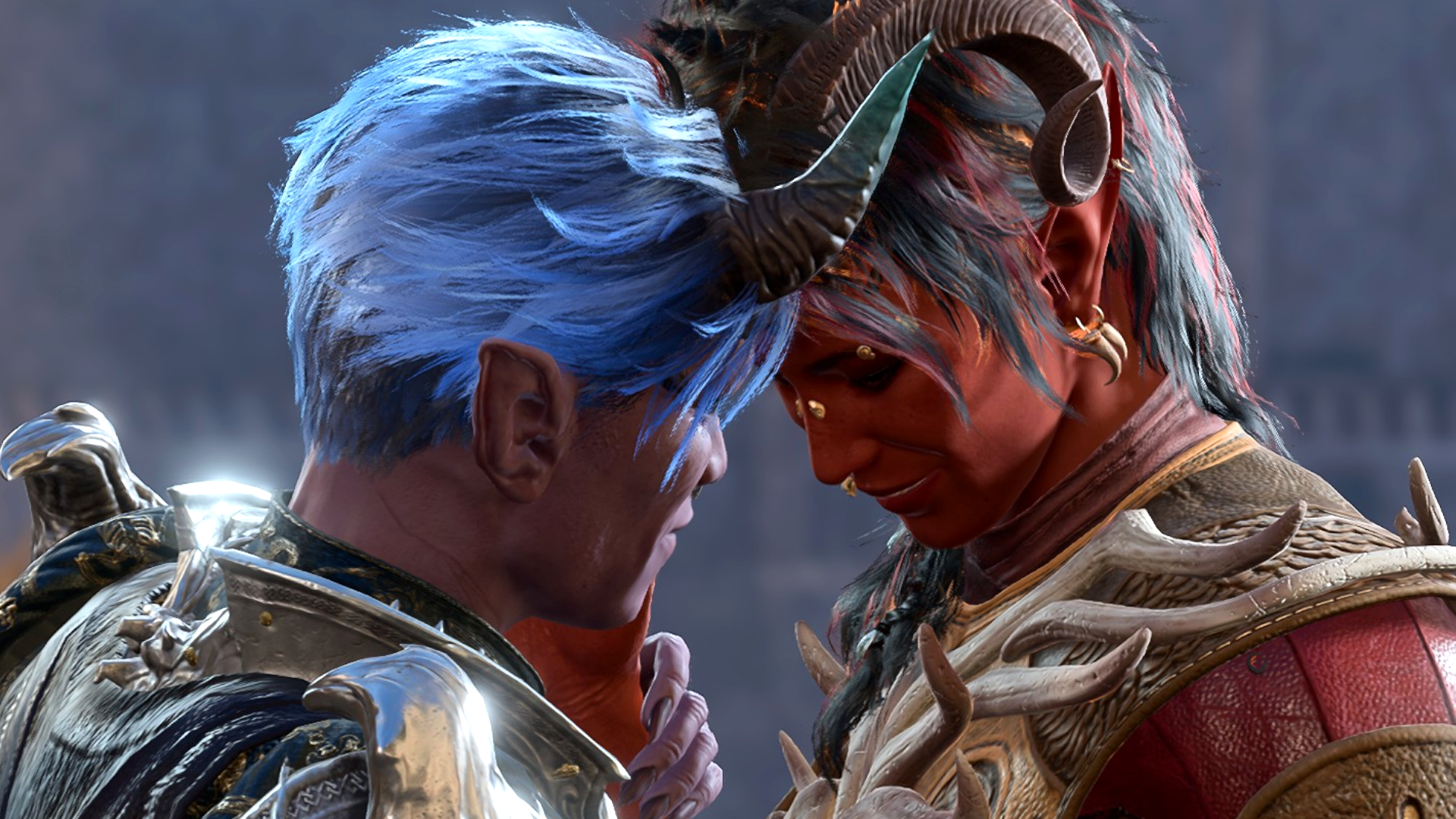
Larian also used romance to enhance companion storylines. In my first playthrough, my PC’s relationship with Karlach really elevated her arc and made the beats hit a lot harder. Baldur’s Gate 3 relationships are also tested, sometimes, and can be sources of friction within the party. And they are woven throughout the game, rather than being relegated to a few chats and an awkward sex scene before the game’s climax.
This approach, unfortunately, is the exception rather than the rule. And even when it is handled well, I find it can still too often veer into wish fulfillment. Case in point, the decision some games make—including Baldur’s Gate 3—to have every single character effectively be pansexual, to make sure the player can hook up with whoever they want. It’s fantastic that this allows for more queer romances, but I’m not sure it really counts if every companion is playersexual.
Romance has become a box that needs to be checked, where its only purpose is to please the players who have understandably come to expect it—but picking important story beats and mechanics just because they’ve become conventional only serves to homogenise RPGs.
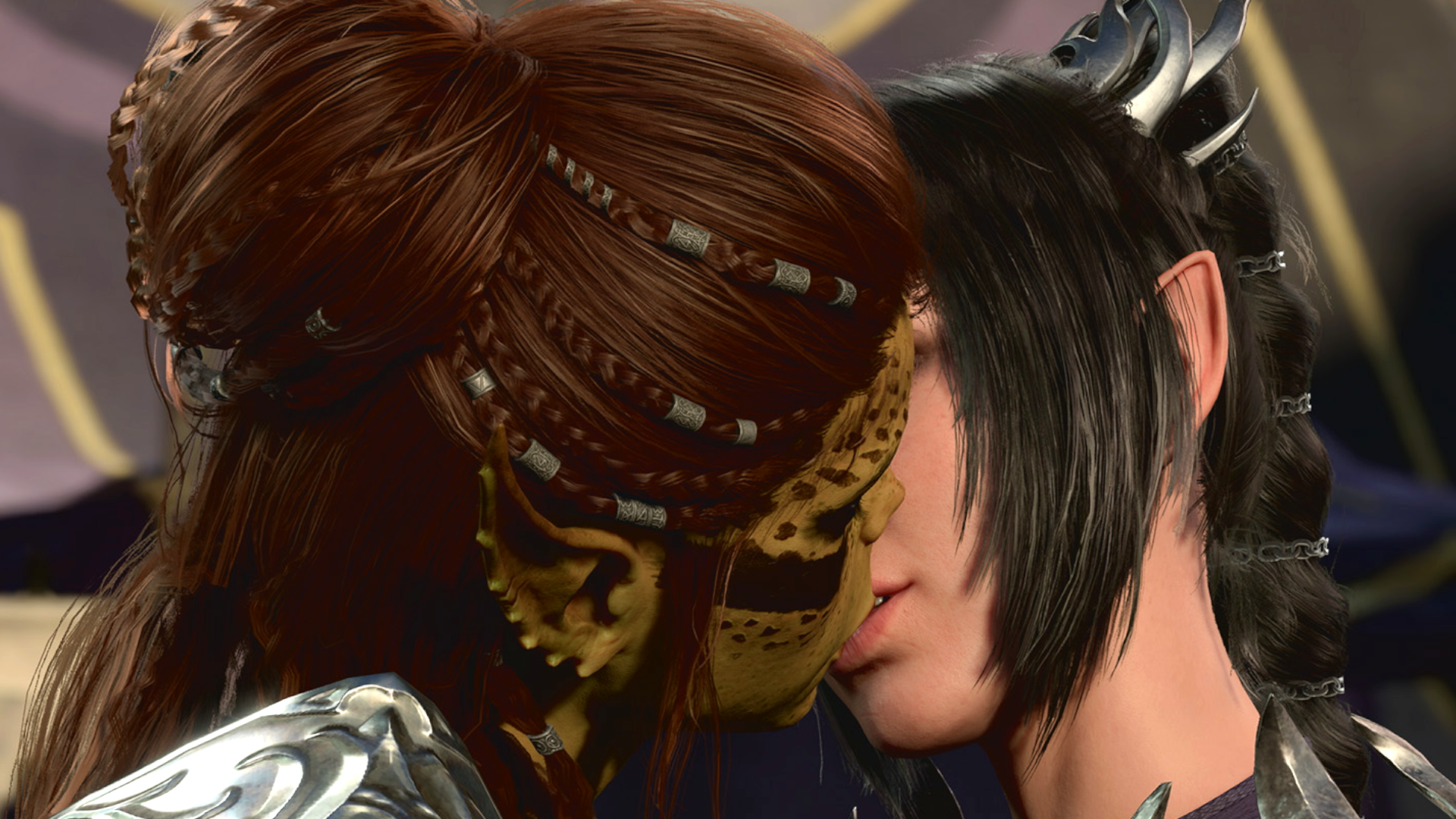
I used to be all for companion romances, and I proudly celebrated Baldur’s Gate 3’s horniness and sexual free-for-all back in 2023. And like I said earlier, I still think it was broadly handled pretty well. But lately I’ve been skipping romance in my RPGs unless the RPG in question is genuinely trying to do something interesting with it—which is rarely the case.
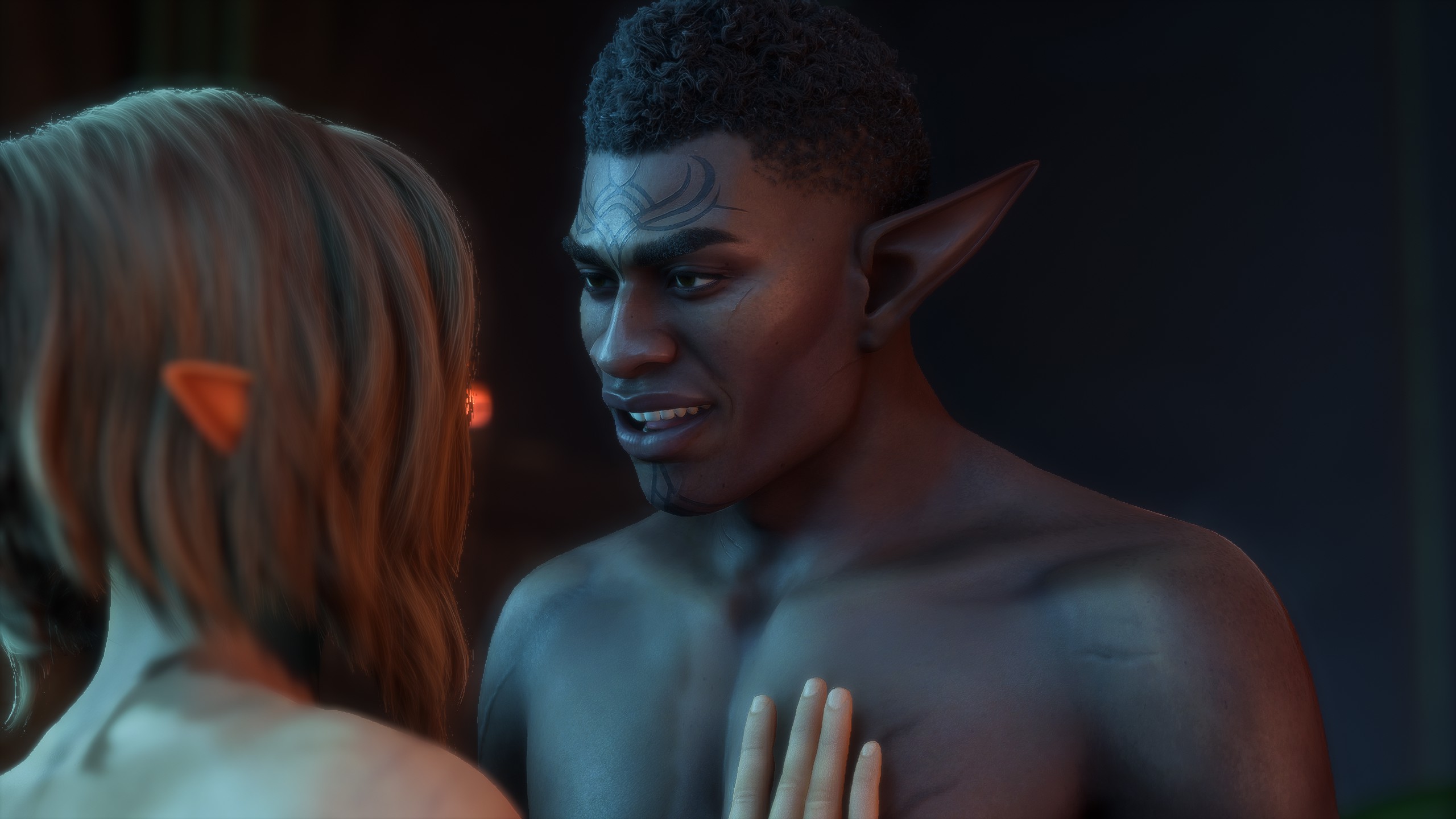
And it’s great! I played 150 hours of Rogue Trader and never felt the slightest bit of FOMO when I rejected my entire crew. And when I had to embark on a relationship in Dragon Age: The Veilguard to help out the guides team, I spent most of my time cringing—even though I romanced the only likeable character in the entire game, Lace Harding.
I’ll give you this, though: Fable’s approach to romance is hilarious. Marry every single character! Embrace polygamy! I kinda respect how the series makes it purely mechanical. There’s no real relationship here, just the odd bonus. Is it saying something about the ancient institution of marriage. Nope! It’s just having fun. And that’s actually a great reason to include this kind of system. It serves a clear purpose beyond attempting to meet weird expectations.
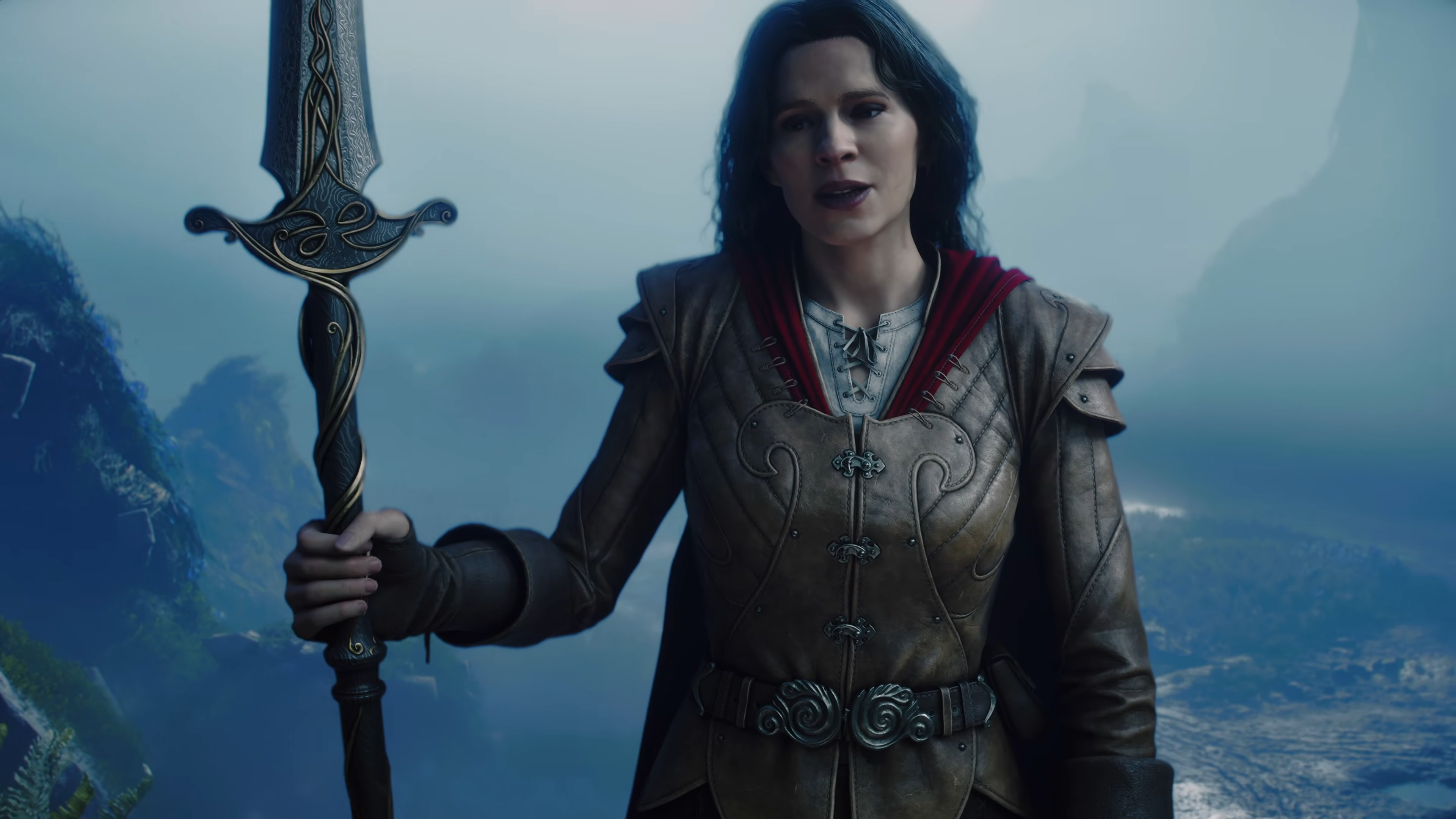
PC Gamer is not a monolith, however, and it wasn’t difficult to find a colleague to argue that, in fact, RPGs do need romance. So here’s Harvey with another perspective:
OK, I’ve had my say, Harvey’s had his say, but what about you lot? Do you crave romance in your RPGs, or have you had enough of them?
2026 games: All the upcoming games
Best PC games: Our all-time favorites
Free PC games: Freebie fest
Best FPS games: Finest gunplay
Best RPGs: Grand adventures
Best co-op games: Better together
About Author