
SK hynix, one of the three biggest memory manufacturers (along with Samsung and Micron), seems to be investing a lot of money into AI, and the South Korean government is happy to see that renewed investment. This time, it’s to the tune of 100 trillion won (or $65 billion as of the time of writing).
As reported by Reuters, SK hynix is looking to build new chip plants with that funding, one of which will be for storage chips. 80 trillion won (around $52 billion) will be spent on NAND flash memory production, and 20 trillion won (around $13 billion) will be spent on a chip packaging plant that is estimated to be operational by late 2027.
South Korea is becoming one of the major players in the AI boom. Just last week, South Korea’s president declared it will invest over half a trillion dollars into the AI chip industry, with SK hynix and Samsung accounting for much of that funding. And between them, they will be producing NAND and DRAM.
NAND memory is typically used just for storage, whereas traditional memory can be used in all sorts of applications. The memory crisis is putting a squeeze on pretty much everything, so SK hynix is likely looking to diversify as much as possible. It’s a lucrative business too. Just a few weeks ago, Biwin signed a multi-year $2 billion deal for NAND memory to put in its SSDs, and that spells bad things for the state of the memory crisis.
If companies are making long-term deals, it suggests they think pricing will either stay the same or rise. It’s not worth long-term commitments in a volatile market if they think the pricing will go down in that time.
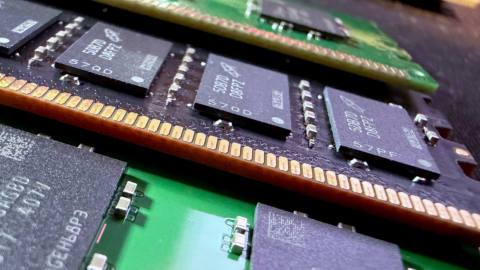
Long-term chip plants also suggest companies think demand will continue for many more years, too. The memory crisis is suggested to run past 2028, at least, as both Samsung and SK hynix want to “minimize the risk of oversupply“. Micron has also confirmed that demand is “significantly in excess of our available supply for the foreseeable future“.
But not everything is doom and gloom. A former Samsung boss reckons the memory crisis could be over by the end of 2028 thanks to a surge in Chinese capacity. Still, even if the crisis ends by then, and supply manages to reach demand, that’s no guarantee the price will fall quickly.
This is all to say that the memory crisis still seems some way off fizzling out, and companies are betting billions of dollars on that opinion.
About Author