
The memory supply crisis has been raging since at least last year with no end in sight—some even predict prices will rise by as much as 50% in Q3 of 2026. Supplies are scarce and prices are high in part due to the AI industry scooping up everything it can get its many fingered hands on. However, a class-action lawsuit alleges another cause: collusion and price-fixing.
Filed in the US district court of Northern California, the complaint alleges “concerted anticompetitive behavior by three Oligopolists” in the DRAM market, naming Samsung, SK Hynix, and Micron specifically (via Law360). The suit has been filed by a ‘proposed class’ of businesses and individual consumers.
The complaint goes on to allege that, since 2022, the three memory manufacturers have “fixed supply and prices for DRAM, engaging in conduct that makes no economic sense absent collusion and that has driven up the price of conventional DRAM (sometimes called commodity DRAM) approximately 700% in a four-year period.”
The suit alleges collusion, claiming, “None of the three used the others’ retreat to expand and win customers. All three pulled back together.”
According to the argument laid out in the complaint, the named manufacturers “simultaneously cut production, coordinated a pivot to [High Bandwidth Memory often used in data centres] and exit from DDR3 and DDR4, and otherwise decreased and locked up conventional DRAM supply while prices charged up with mind-blowing scale and rapidity.”

The complaint cites Micron’s shuttering of its consumer sub-brand Crucial as one example of artificially cutting supply, alleging this closure happened “at the most profitable price point in its history.”
The suit, filed this past Thursday, follows hot on the heels of Apple announcing a slew of price increases across its MacBook and iPad products. The company said at the time, “We have never seen a component price increase this much, this quickly.”
As for gaming PCs, the price of RAM kits has massively spiked. The cost of memory has also driven up the price of gaming laptops too, with many models instead opting for either single channel or simply less RAM overall (hence why you might see sensibly priced 16 GB machines more often than 32 GB models). Nintendo, Sony, and Microsoft have all significantly increased the price of their respective consoles too.
Even major players like Apple can do little to challenge big time memory manufacturers, and the California class-action lists a number of practical reasons why not. “No new entrant can discipline [Samsung, SK Hynix, or Micron] in the conventional DRAM market,” the complaint reads, “A single modern DRAM fab costs fifteen to twenty billion dollars and takes years to build; the extreme ultraviolet lithography machines it requires come from one supplier in the Netherlands, committed years ahead to the incumbents; the process recipes that make a fab yield usable chips comprise decades of accumulated trade secrets.”
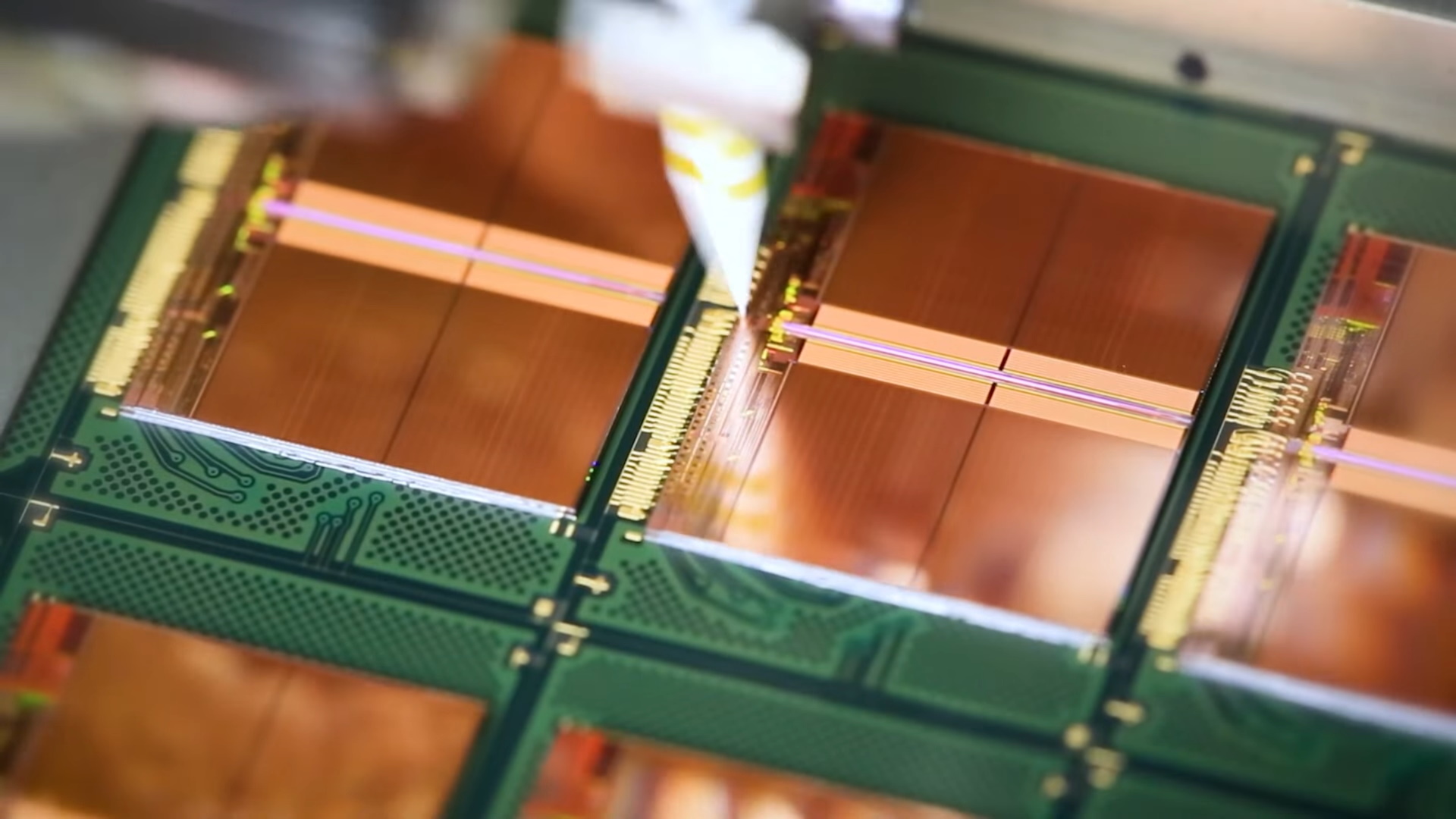
In the context of the US specifically, the complaint also criticises how local export controls “bar the only other producers, in China, from acquiring current-generation equipment.” The suit argues that as a result of this and all of the above, “no outsider can expand output to undercut” any of the named three companies.
As a result, this lawsuit is seeking both damages and “injunctive relief” that would require an end to the alleged anticompetitive practices. To date, neither Micron, Samsung, nor SK Hynix have issued an official comment in response.
Though it seems likely that, due to the length of time required to increase capacity, these companies will argue the crisis would have materialised regardless due to outsized demand. After all, new multi-billion dollar fabs aren’t built overnight, and demand is still so high that even TSMC’s next-gen Arizona fab is fully booked before it has even been built.
About Author