
AI is everywhere at Computex. Obviously. It’s been like this for the past three years, where those two characters have become so ubiquitous around any tech show or presentation by any hardware or software company that I’ve become almost inured to it. But it’s a big reason about why we can’t have nice things.
It’s why the DIY PC building market is down across the board, to the tune of around 30 – 40%, according to all the manufacturers I’ve spoken to at the show. It’s why the cost of the Steam Deck has blown up, why the Steam Machine still isn’t here, why the MSI Claw is going to cost $1,500, and why possibly the most tantalising Intel Panther Lake processors will probably never appear in actual laptops.
The top Panther Lake chips come with the 12 Xe-core B390 iGPU, and it’s a powerful thing. It’s the graphics component going into the Intel Arc G3 Extreme processors—a chip with some much graphical grunt Intel’s Tom Petersen is calling it a GPU with an integrated CPU. But there is another.
The B370 is the integrated graphics chip which appears in the Core Ultra 5 338H, comes with 10 Xe cores and ought to deliver a similarly high level of gaming performance but in a cheaper package. When Intel first announced Panther Lake that was the chip I was desperate to see in an affordable Core Ultra Series 3 laptop.
But it’s looking unlikely that I ever will. And it’s also potentially unlikely that we’re going to see any handhelds using the Intel Arc G3 chip which also comes with the same B370 iGPU.
At a demo of the new Intel Arc G3 Extreme in a range of different handhelds—including the MSI Claw, Acer Predator Atlas 8, and OneXPlayer 3—I asked Petersen whether any manufacturers were going to use the straight Arc G3 chip.
“I don’t know the answer to that one,” he says. “It’s a great question. I think we’re in a weird time with the whole DRAM thing going on right now, where the pricing difference between the two chips is small, and small relative to what’s going on with DRAM.
“So, if you’re going to spend the money on DRAM, why not just get the best one? I think there’s some of that going on. As DRAM prices come down and the market starts normalising a little bit, then the differentiation of price that you can get by picking different SKUs will be a more important differentiator than the end user. That’s my guess.”

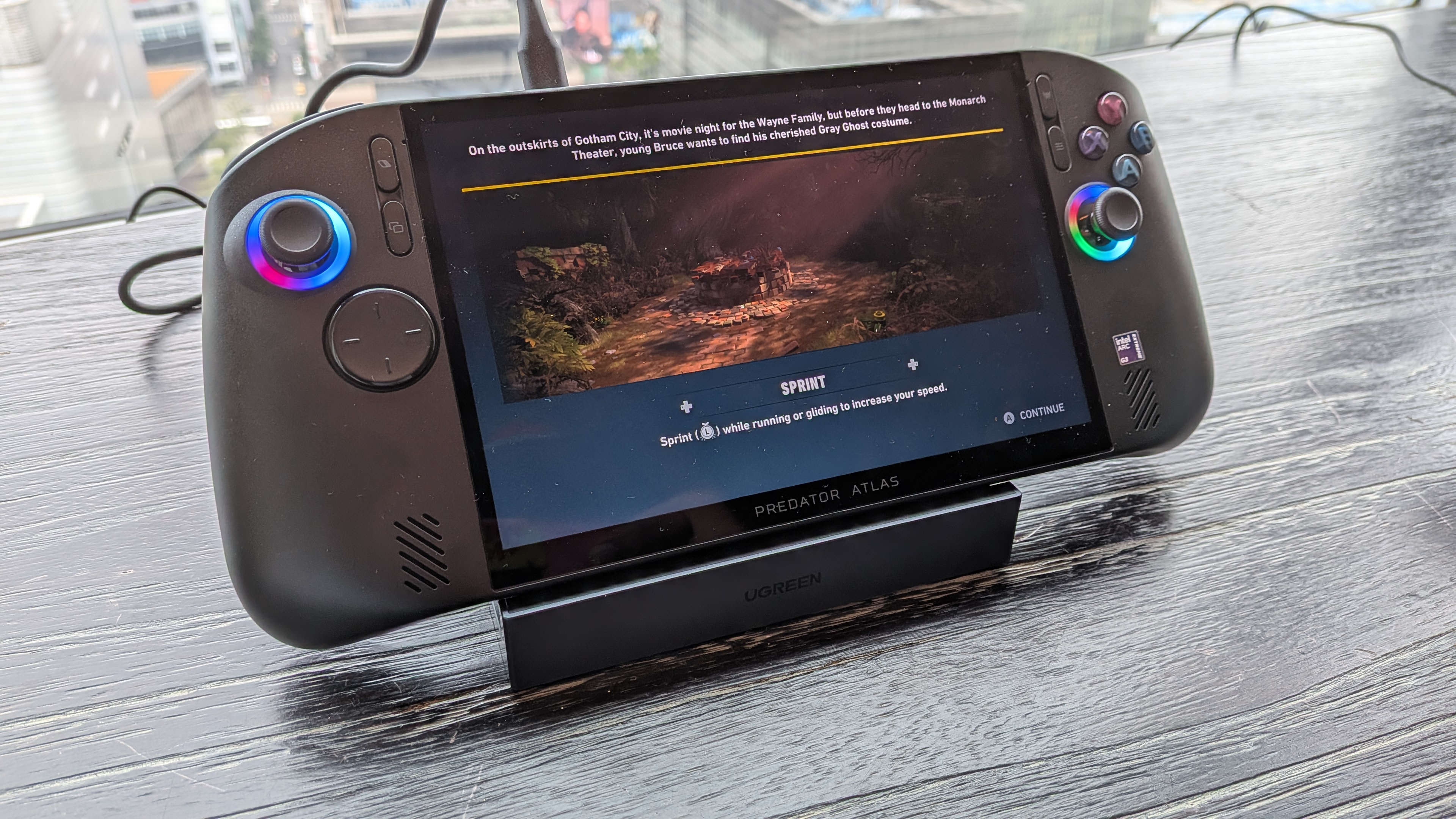
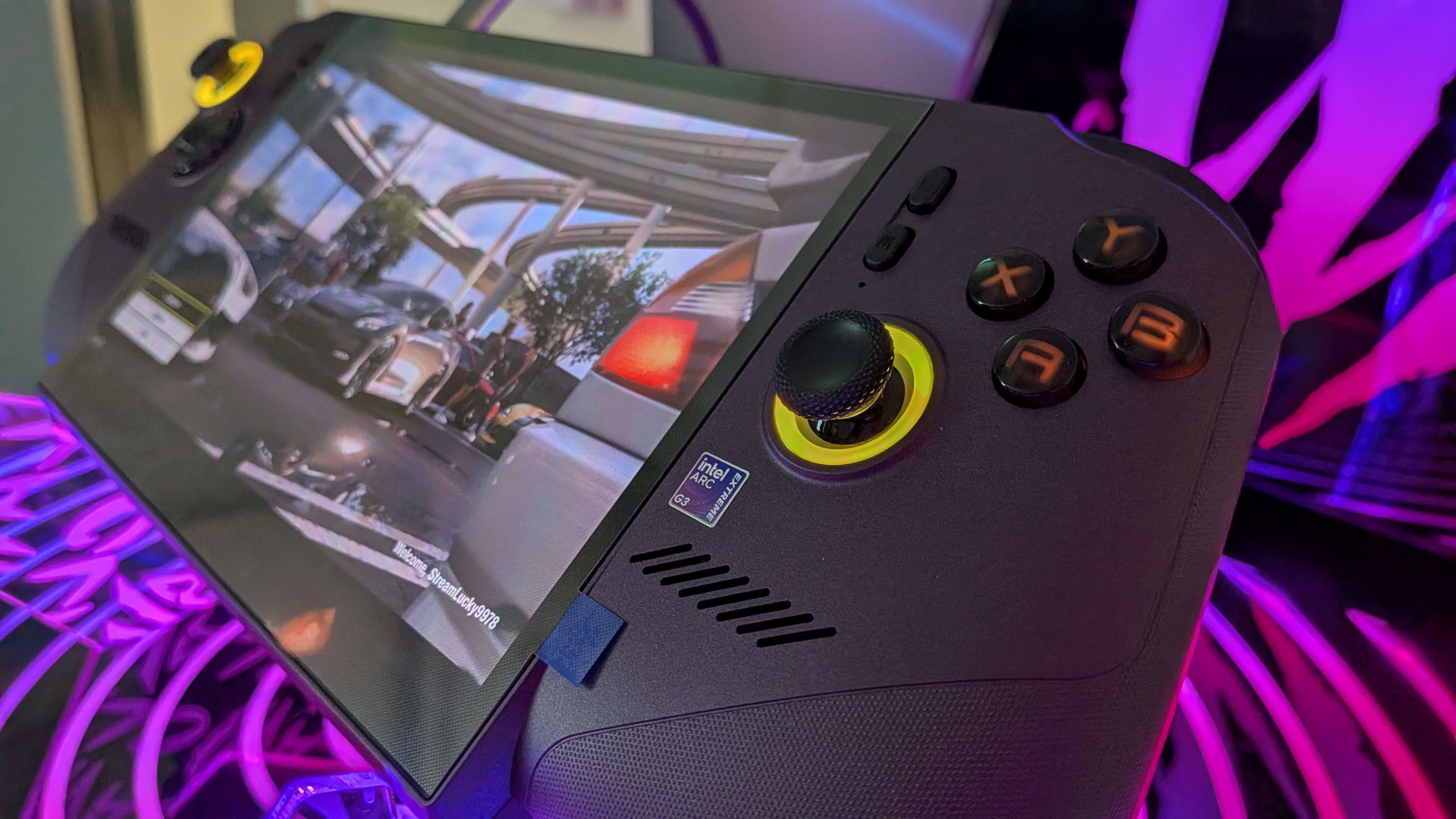
Which makes complete sense, though is all rather depressing in explaining why cheaper Panther Lake laptops with the B370 haven’t arrived. It’s all AI’s fault and the fact it’s hoovering up all the spare memory capacity and driving up prices across the board. When the difference in cost of a chip with a B370 or B390 is so comparatively small compared to the speedy LPDDR5x memory (at least 7467 MT/s or faster) that Panther Lake requires, what’s the point picking the slower graphics core?
When I spoke to Framework CEO, Nirav Patel, this week at Computex, he essentially said the same thing about why it wasn’t offering that version of Panther Lake as an affordable option with the new Framework 13 Pro machine.
“We basically decided that if we go all the way to the X versions, let’s just get the full GPU capability,” Patel explains.
I asked if that was specifically because of the small difference in comparative cost of the CPU versus the memory and he says, “Yeah, we always look at the total SKU stack that Intel or AMD offer, and we pick what we think the right sweet spots are. So it’s basically for the [Core Ultra] X7 we want to make sure someone’s getting the fully capable solution, and if they want to go to X9 it’s really that they want that last few percent of performance for the people that can pay for it. We’re going to make sure the X7 is not a compromise.”
So yes, AI is still why we can’t have nice things.
About Author