In a genre where so many games are determined to squabble over who can make the best LIDAR-scanned Monza, we need more Screamers. Milestone’s narrative-led, anime-infused arcade racer has a delightful plethora of fresh ideas, and it lavishes meticulous care into realising them. It’s distinct and idiosyncratic, in all the ways a game should be, all the ways we fear they won’t be when AI gets its tendrils further into the medium. In many ways it’s everything I’d want a racer to be in 2026. Just one problem: I don’t like the driving.
What is it? A futuristic racing tournament with slightly too much oil on its roads.
Release date March 26, 2026
Expect to pay $60/£50
Developer Milestone
Publisher Milestone
Reviewed on i7 9700K, RTX 2080 TI, 16GB RAM
Steam Deck Deck: Verified
Link Official site
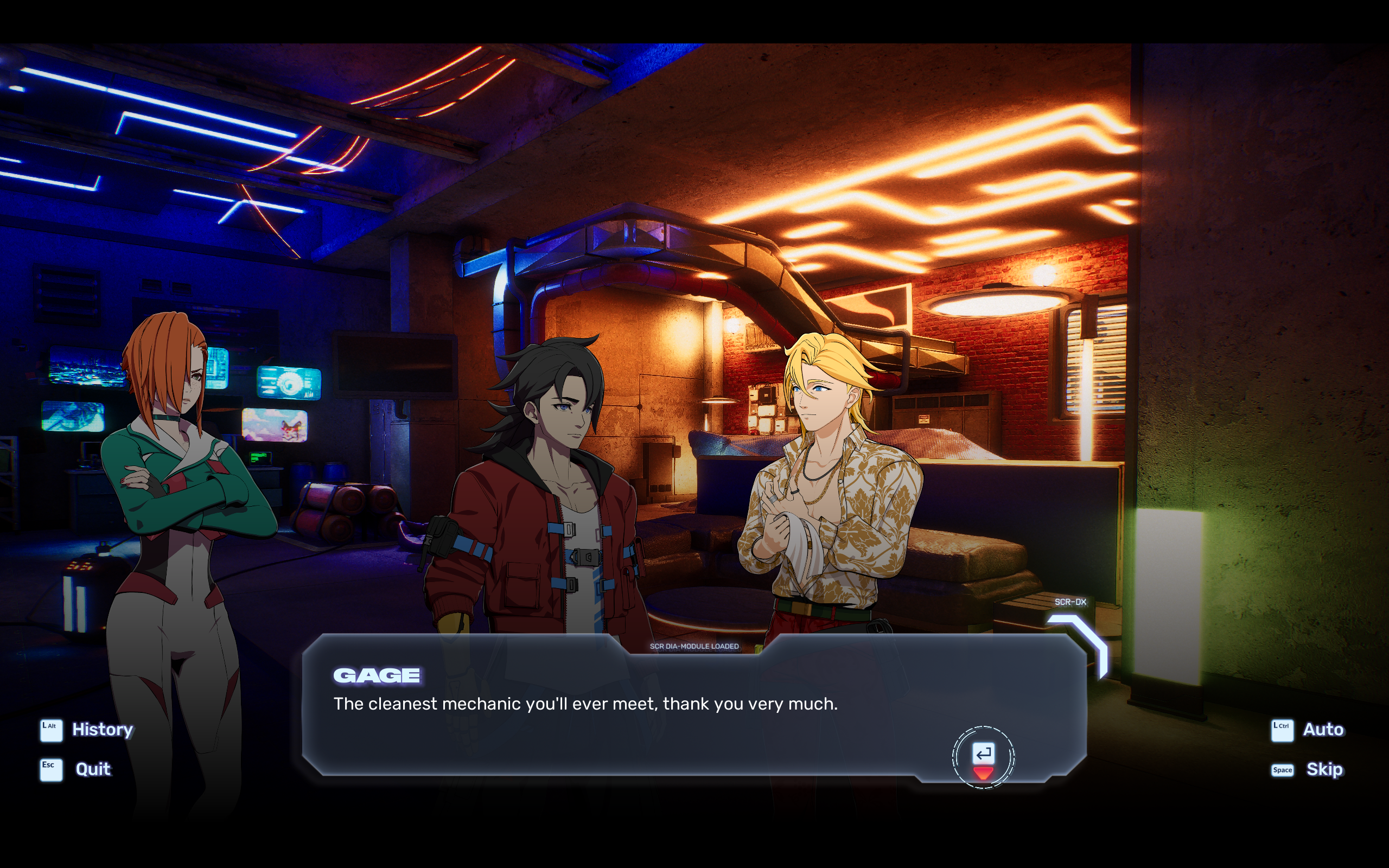
Every other way Screamer wants to do things differently, I can get on board with. I love that the extensive cast of racers competing in the Screamer tournament all speak in their own native languages, so within one scene I might hear Japanese, Italian, Flemish and an Irish lilt, and understand them all via subtitles. I love the interplay between the teams, and the members of those teams. It feels like a different way to approach narrative in racing games, which typically boils down to the same few soap opera plots.
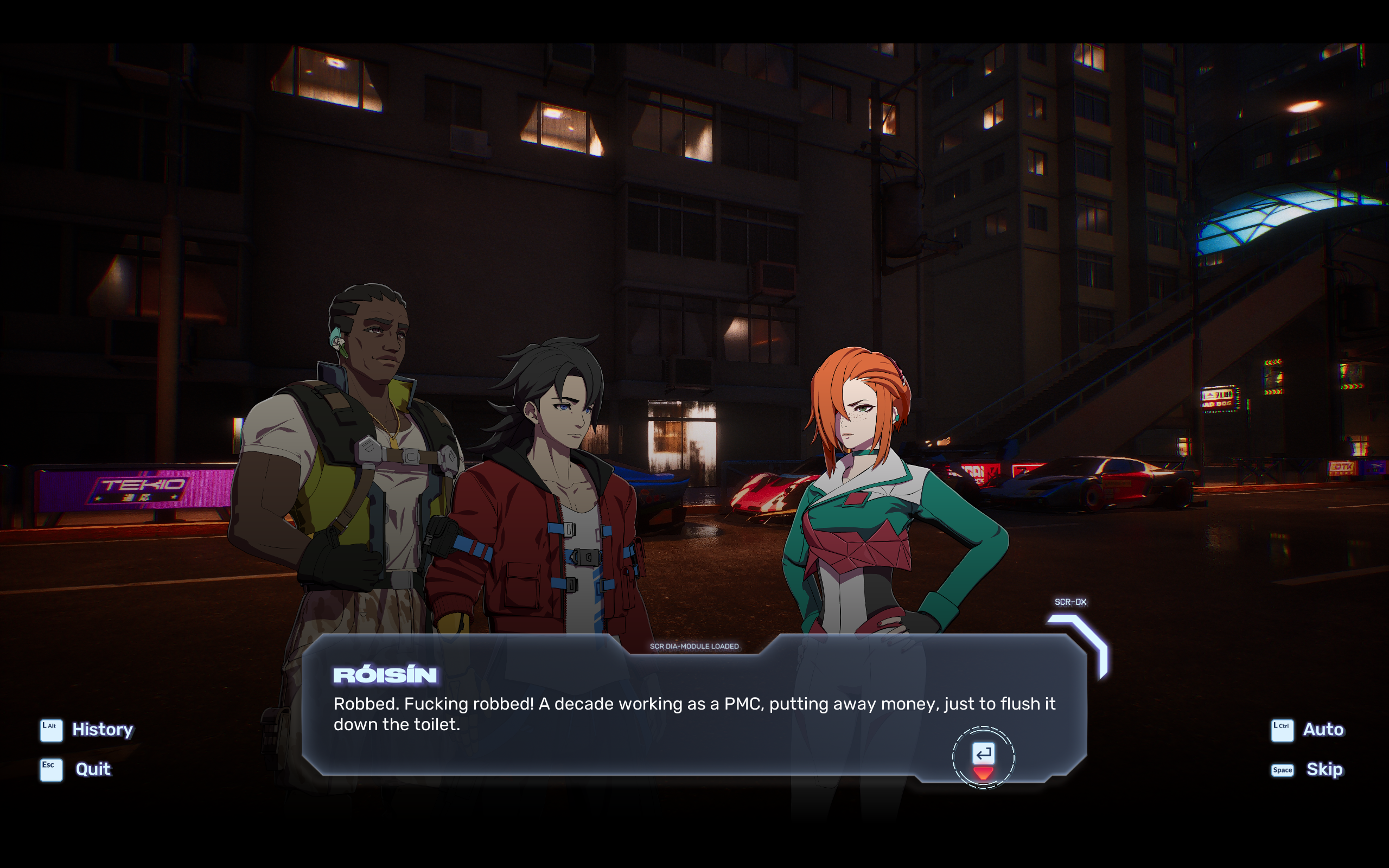
Screamer seems determined not to revert to type here, filling your brain with sharply drawn character archetypes that draw from a bigger world of influences than simply ‘Need For Speed 2003-present’. Take the Green Reapers, for example, the first team that Tournament mode introduces you to. It begins simply enough: Róisín, Frederic and Hiroshi have some kind of beef with tournament organiser Mr A, so they enter with revenge on their minds.
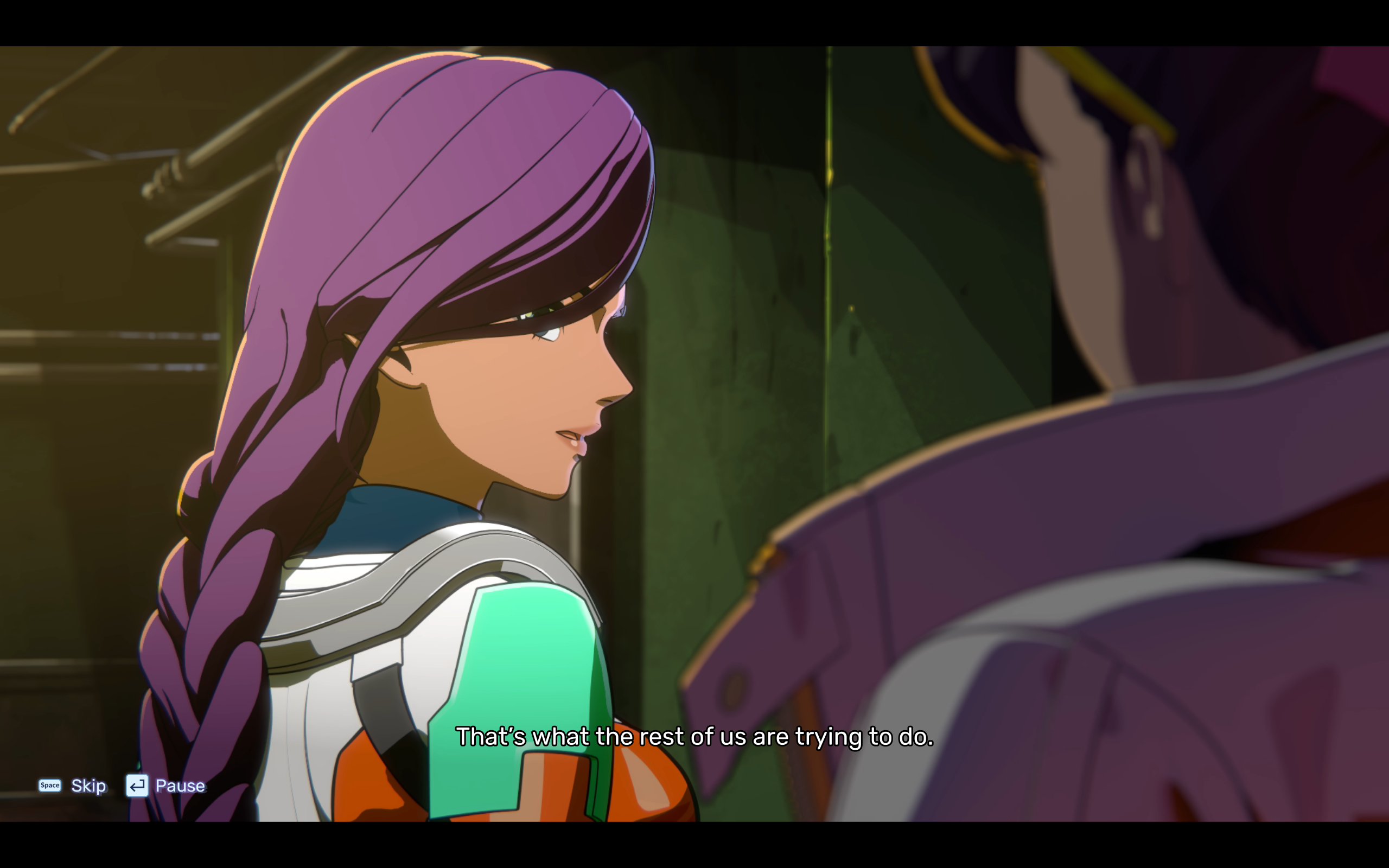
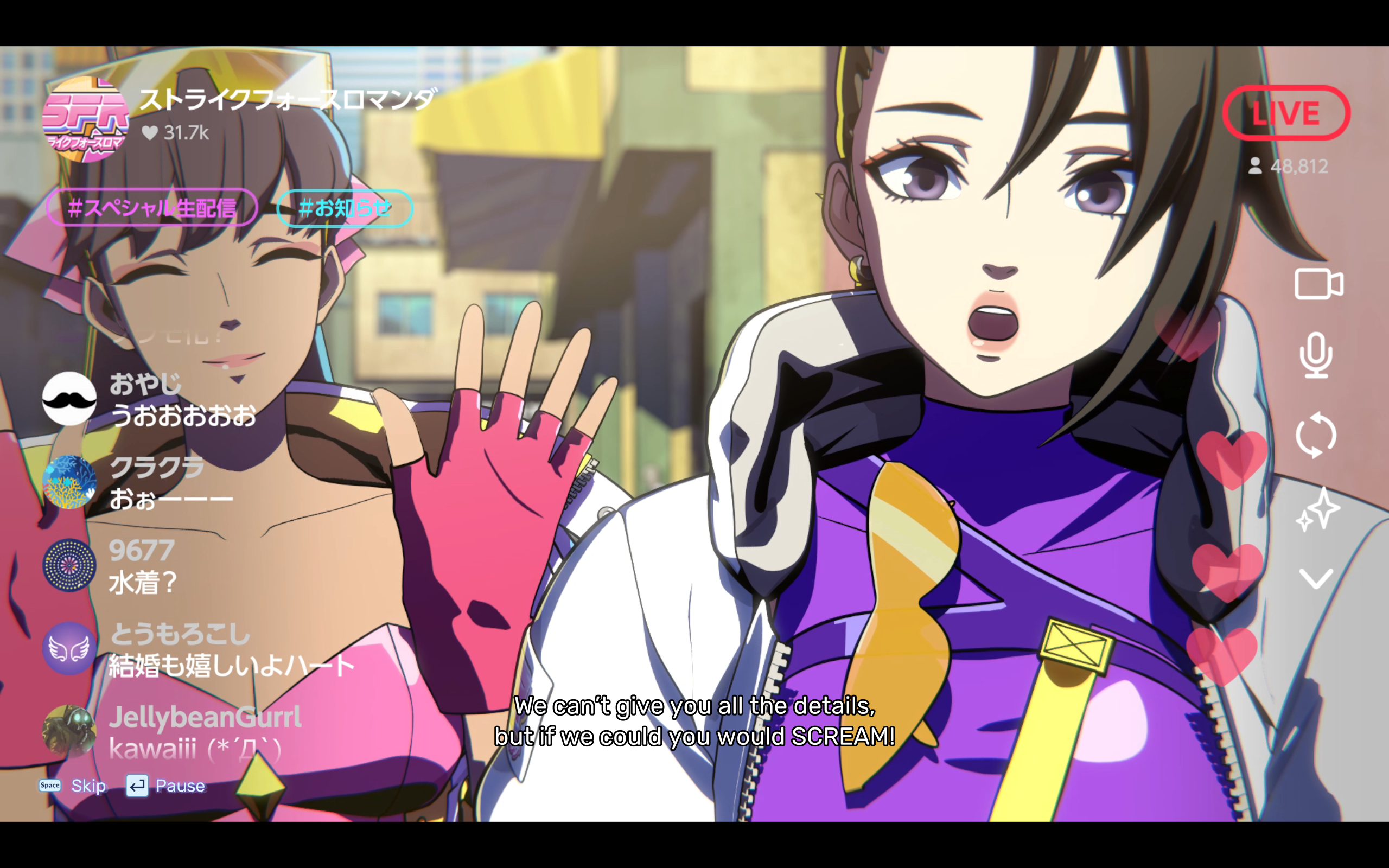
As the races progress, you see the tensions within the trio, familial power struggle stuff. Then the points of origin for those tensions, and then why those tensions lead each character to react in the way they do when unforeseen events transpire. It’s more narrative rigour than I was expecting in a game about making cars go fast, honestly. It’s not shoehorned in, either. The exposition feels as much a part of the game as the racing does, because there’s a cohesion to all the component parts here. The glue is the anime presentation, complete with a Persona-style intro cutscene which shows your retinas more colours than you previously thought existed.
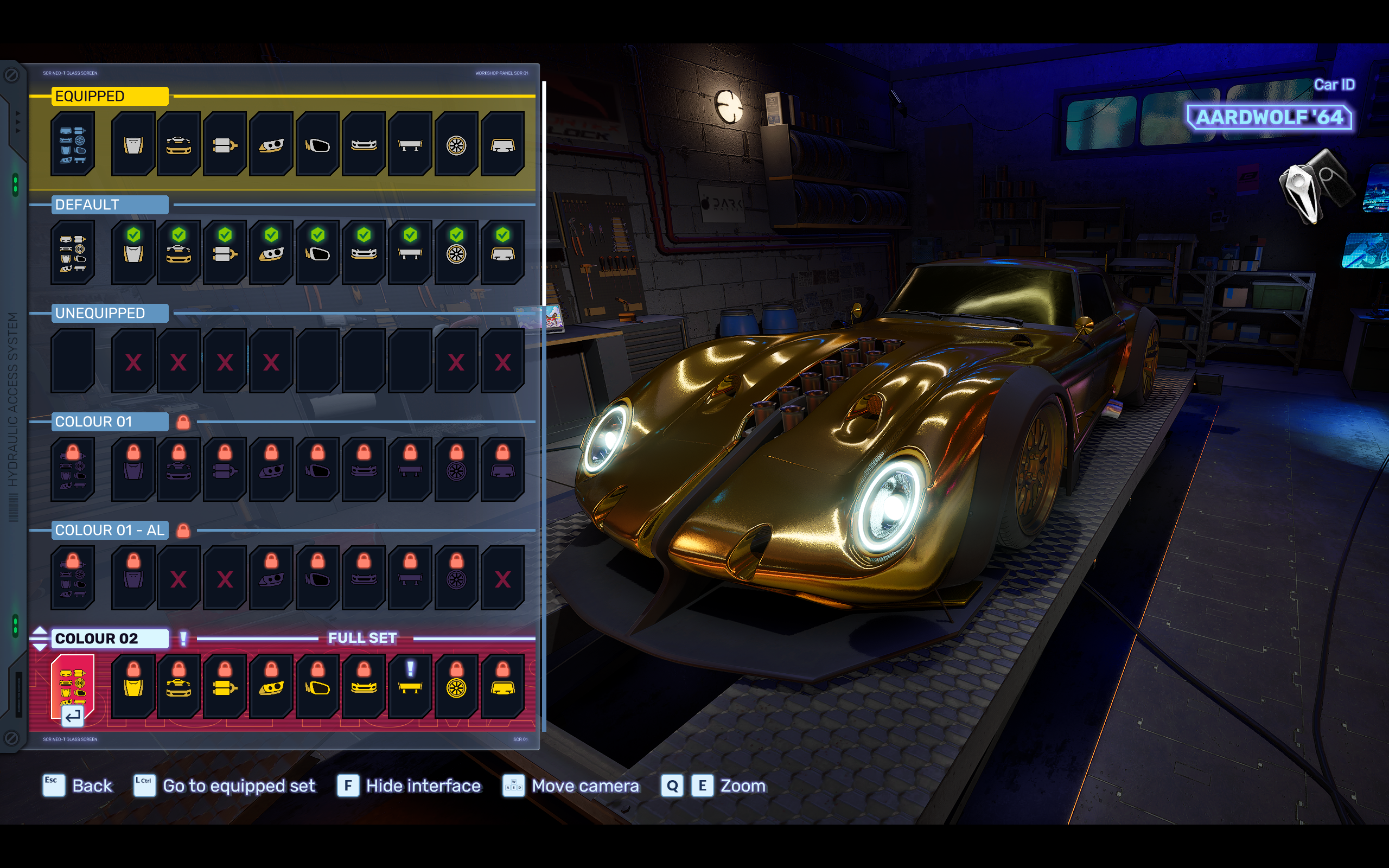
The developers at Milestone are self-confessed anime geeks and fighting game aficionados, and somehow pulling those inspirations out of situ and into this game makes everything flow naturally, from a dialogue exchange between 2D character avatars, into a bombastic race in a dystopian future, and then swapping out spoilers in a vehicle customisation menu.
Adrift

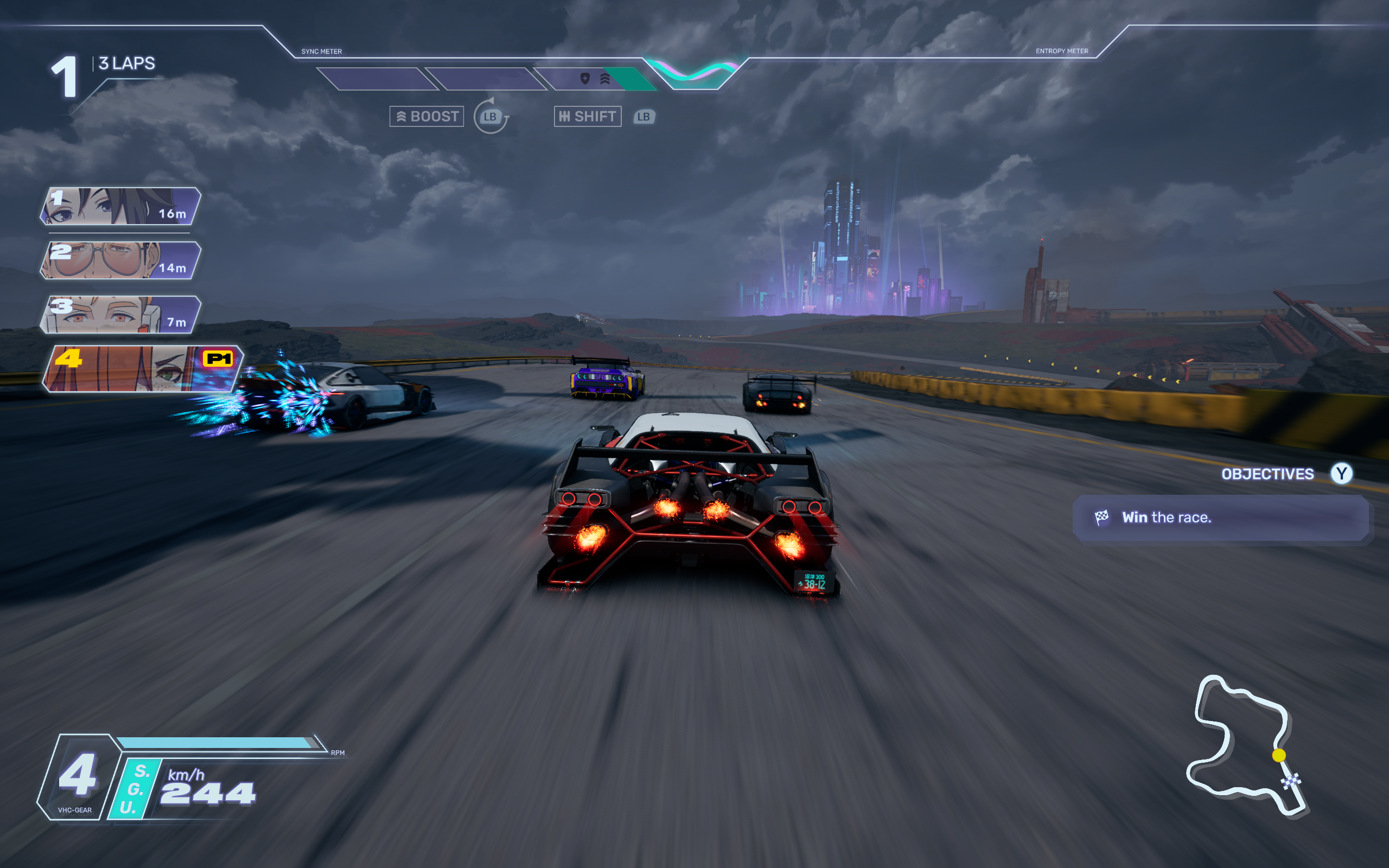
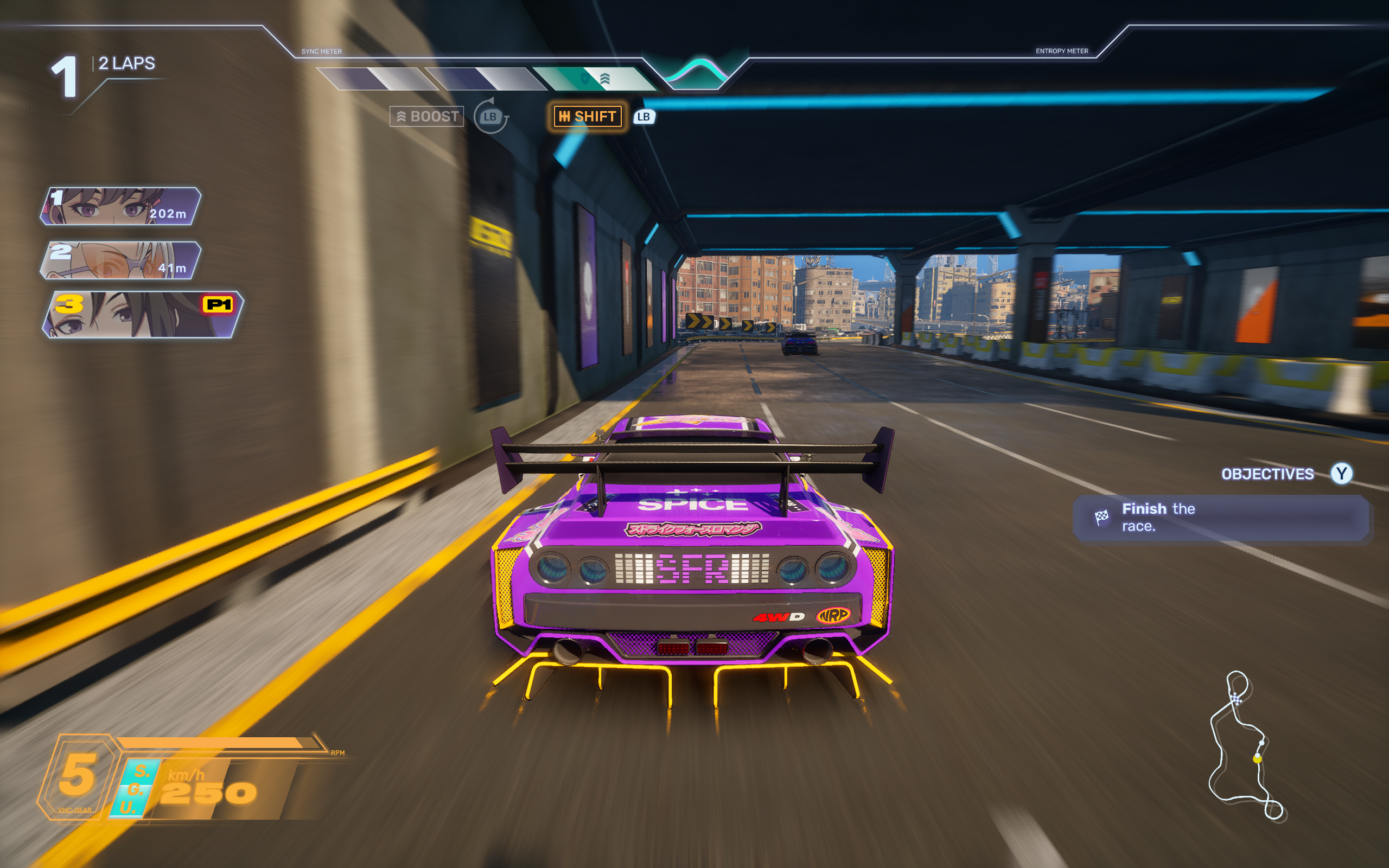
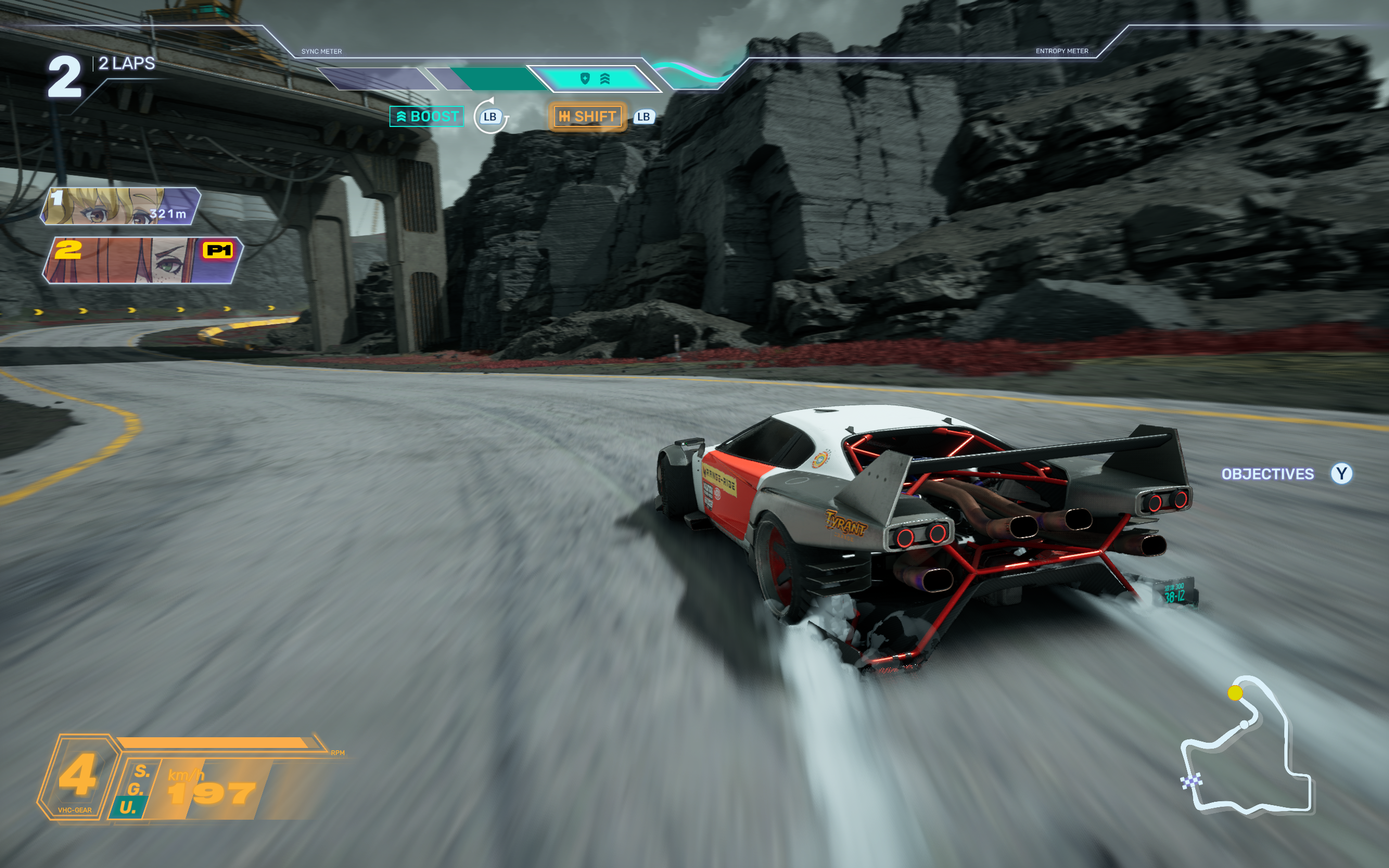
I need to talk about the handling model and controls, though. Screamer wants to nod to its 1995 spiritual predecessor, Milestone’s first release, by capturing the same exaggerated drifts that characterised that DOS era racer. It does this by mapping steering to the left analog stick, and drifting to the right stick. That twin-stick driving is very disorienting, and transitioning from a full drift angle to facing straight ahead is awkward, because you don’t feel the weight transfer. An irk that’s made even trickier by the camera’s exaggerated lateral movement when you initiate a drift.
It feels like patting your head while performing keyhole surgery. I admire the game for taking such a bold approach to handling and discerning itself from everything else out there, including NFS: Unbound’s tap-to-drift style and JDM: Japanese Drift Master’s forensic physics-based approach. But even after the hours it took me to acclimatise to this handling style, I still can’t get the same sort of satisfaction out of it that I can in a more orthodox arcade racer that lets me throw a car towards the apex with more precision and predictability.
Races demand more than this shift in control scheme, though. At the heart of the tournament, and story itself, is the ECHO device, a technological doohickey which allows you to deploy speed boosts, shields, and strikes. The basics of that layer are simple enough: you perform feats like slipstreaming opponents or nail the timing of active upshifts to amass the Sync resource and then deploy it as a boost. I love that this is a timing-based action, too, so I get a stronger boost for pressing and releasing the button at the perfect moment.
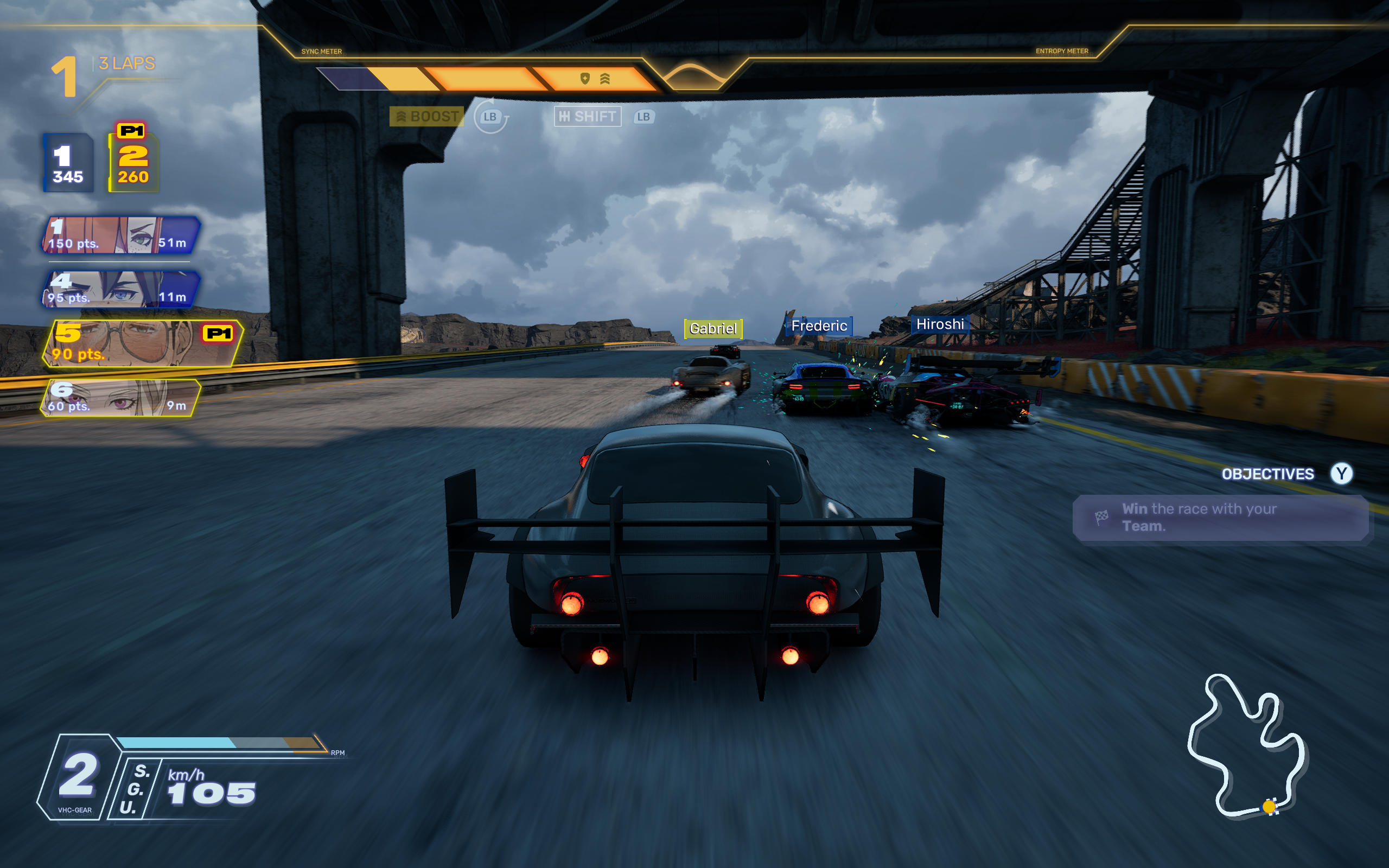
The combat-based actions use another resource, Entropy, which you build up by performing actions that require Sync. In other words, you slipstream and upshift to boost, and use the resources that action harvest to deploy a shield or strike. That’s an intriguing economy happening in such a fast-paced race, and it gets you thinking. AI racers seem very adept at gathering resources and deploying them too, so you can’t ignore it.
All of that adds up to an impressive, admirable, and often brain-frying driving experience. Maybe I’m being too old-school about it, but I don’t feel like I’ve performed well in a race if I won it by deploying tons of boosts but didn’t take good lines through the corners or make silky overtakes. Victory is much more often decided by tactically timed boosts than clean lines. In other words, I’m left feeling that this is a game which rewards mastery of its boost economy and combat system more than it rewards driving skill. I just can’t bond with that ethos.
What I will say in its defense is that I’m inclined to keep trying. Because there’s such a well crafted game world here, it’s not such a damning issue as you might think that the driving’s often overwrought and under-satisfying. I find myself spending a lot of time in Gage’s Workshop, a customisation area that shows off the artistry of Screamer’s fictional cars and the contrasting design languages of its teams.
The Green Reapers’ machinery looks salvaged and scrappy, panels crudely welded on and metalwork left exposed, speaking to their plucky underdog status. The J-Pop group Strike Force Romanda drive much more polished, JDM-inspired cars, telling you who they are and about the world they come from at a glance.
There’s so much depth here. Even to the event types, which include a kind of multi-class racing and both individual and team races, in offline quickrace, Tournament mode, or PvP online multiplayer. I can’t point to an aspect of Screamer that doesn’t feel like it’s had enough attention spent on it. But I also can’t point to a race I’ve felt victorious through better mastery of my vehicle than my opponents’, rather than having cheesed the boost economy harder.
2026 games: All the upcoming games
Best PC games: Our all-time favorites
Free PC games: Freebie fest
Best FPS games: Finest gunplay
Best RPGs: Grand adventures
Best co-op games: Better together
About Author