Back in my day there were only three channels on TV and one Minecraft update per year. For years, Mojang’s schedule revolved around the annual title update crammed with new mobs, new biomes, blocks, and enemies. That mindset changed in 2021, its general manager says, when the Caves & Cliffs update grew so ambitious that it had to be split into two releases and Mojang backed off mega sized yearly updates thereafter.
Speaking at the Game Developer’s Conference this week, Minecraft general manager Ryan Cooper shared a panel with King’s head of live operations on Candy Crush, Eva Ryott, to talk about the secret sauce of working on two games that have stood the test of time for 15 years each. Among those secrets were listening to player feedback to drive new game updates, a commitment that Cooper says really pushed Mojang’s processes to the limit a few years back.

Mojang teased the Minecraft Caves & Cliffs update back in 2020 with a pretty huge feature list including major changes to how Minecraft’s worlds are generated. Cooper described work on that update as being highly influenced by Minecraft’s players. “We were getting so much feedback from our community that we just decided to take on additional work,” Cooper said. He described the drive to incorporate feedback that Mojang got beyond just polish and lean into new features for Caves & Cliffs.
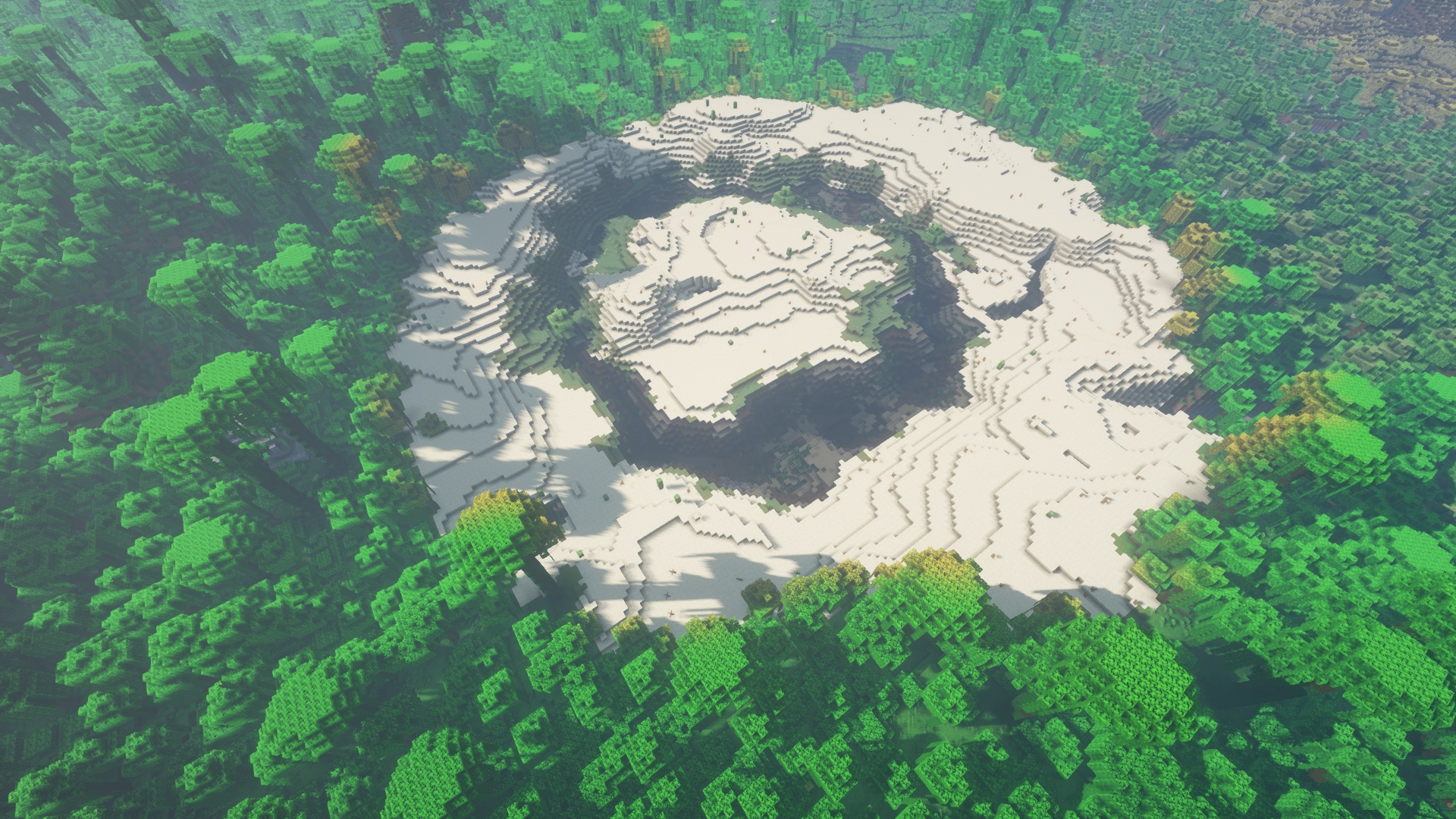
The real explosion of effort was on world generation tech. When that part of the update landed in last 2021, update 1.18 was probably the most excited I’d felt about Minecraft in years, exploring new village placements, giant dripping cave structures, and the circular ring biomes that players have been obsessed with ever since.
Cooper says that Mojang learned in the process of creating all those massive generative changes was that it really should have updated a lot of its own foundational technology first. Instead, Mojang put itself in the position of updating the game and its own development infrastructure at the same time.
“We joke that it’s akin to trying to build a skyscraper with hand tools,” Cooper said. Which does sound difficult but, amusingly, does also sound like the exact kind of madcap project Minecraft players themselves take on pretty regularly. Why not build a skyscraper by hand, eh? For a company the size of Mojang though, working on a product as complex as Minecraft, getting backed into that kind of massive workflow overhaul just wasn’t a mistake it wanted to make again.
“What happened as a result of Caves & Cliffs was we decided that we wanted to move to a more rapid cadence of updates,” Cooper said. Mojang did launch a couple more yearly updates after Caves & Cliffs, I imagine as those updates may have already been partially conceived of and in progress.
In 2024, Mojang announced that it would be moving away from major yearly updates to its content “drops” which occur more frequently with smaller, more targeted feature lists.
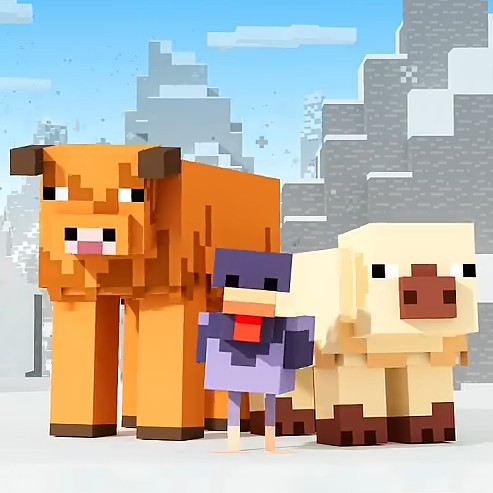
Minecraft’s first drop for 2026 is the upcoming “tiny mob update,” now called the Tiny Takeover update. You can also tune in to Minecraft Live 2026 later this month for more on that update and the future of everything else Minecraft.
Minecraft update: What’s new?
Minecraft seeds: Fresh new worlds
Minecraft texture packs: Pixelated
Minecraft skins: New looks
Minecraft mods: Beyond vanilla
About Author